'Hanging by a thread' — The psychological toll of Russia's aerial onslaught
September 5, 2026 - 03:01
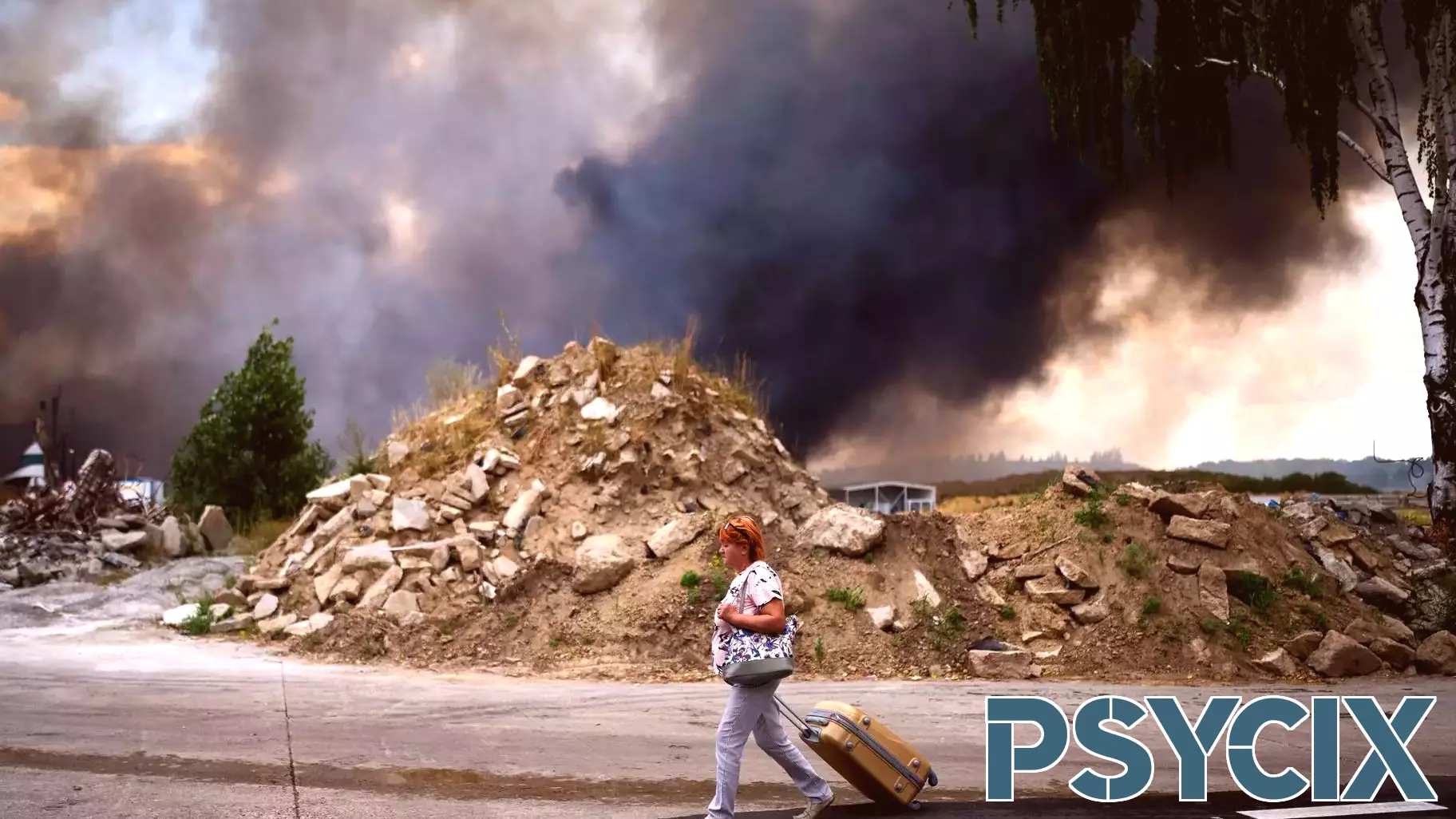
After more than a week of relentless Russian strikes and near-constant air raid alerts, some Kyiv residents are being pushed to the brink of mental exhaustion.
In the capital, every day since Aug. 27 has brought hours of sirens, sleepless nights, and the anticipation of another attack. Experts say this sustained pressure is Russia's deliberate tactic of terror, designed to break the civilian spirit without a single ground troop advancing.
"This past week, with all the constant anxiety, my mental health has been hanging by a thread," said Kateryna Soniuk, a Kyiv resident who has spent most nights in a hallway away from windows. "You try to sleep, but your body is listening for the sound of the drones. Even when it is quiet, you do not trust the quiet anymore."
Psychologists working in the city report a sharp increase in patients reporting acute stress symptoms. The pattern is familiar but the intensity is new. Unlike the early days of the full-scale invasion, when fear was paired with a sense of active resistance, this week feels passive and grinding. People are not fighting back; they are just waiting.
The toll is visible in small ways. Coffee shops report fewer customers in the afternoon because people are too tired to leave their homes. Parents keep children indoors, not because of an immediate threat, but because the constant interruptions make it impossible to plan a normal day. The sirens wail, the apps buzz, and the routine of life stops.
For those who cannot leave the city, the choice is between staying alert and burning out, or trying to rest and feeling guilty for doing so. Many say the worst part is not knowing when the pressure will ease. A single missile can end a life, but a week of sirens can end a sense of normalcy. As one local put it, the body can handle fear for a day. It is the endlessness that breaks you.
MORE NEWS
October 19, 2026 - 21:05
Gen Z Swaps Instant Messages for Handwritten LettersA growing number of young people are setting aside chat apps in favor of paper, envelopes, and stamps. What began as a small trend on social media has turned into a genuine hobby for many in Gen Z,...

October 19, 2026 - 13:16
Why We Put Off Important Tasks Even When We Know They MatterYou know you have to get it done, yet you keep putting it off. The therapist explains why we procrastinate. Procrastination is often mistaken for laziness, but therapists say the behavior is...

October 18, 2026 - 21:48
Why Friendship Labels Can Create More Problems Than They SolveViral friendship categories have become a popular way for people to describe their social circles, but a psychologist cautions that these labels may cause more harm than good. Terms that...

October 18, 2026 - 06:35
Psychologist Weighs In on Trump's Health RemarksPresident Donald Trump made a rather alarming admission about suffering from some `very severe problems` with his health, and now a psychologist has weighed in with evidence for what some of those...