Former Psychologist Sentenced for Sexual Crimes Against Minor
December 20, 2024 - 05:38
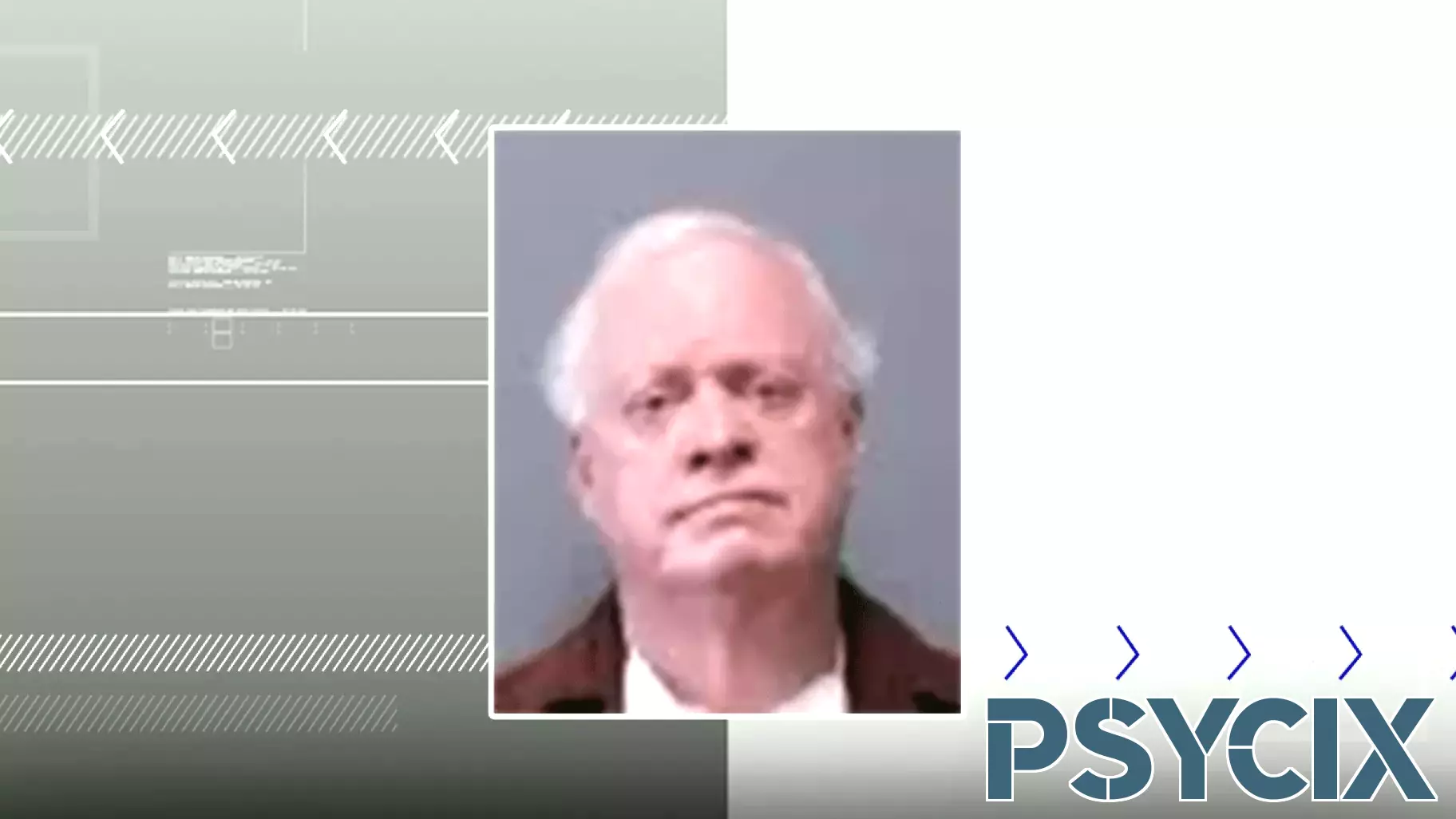
CENTRE COUNTY, Pa. — A former psychologist from the State College area has received a prison sentence for his conviction on charges of rape and sexual assault against a young girl. Richard Lenhart, aged 63, was found guilty of committing these heinous acts over an extended period from 2005 to 2013.
The court proceedings revealed that Lenhart exploited his position of trust to carry out his offenses, which caused significant emotional and psychological harm to the victim. The sentencing has been met with a mix of relief and outrage from the community, highlighting the importance of holding individuals accountable for such serious crimes.
During the hearing, the judge emphasized the gravity of Lenhart's actions and the lasting impact on the victim's life. The case has sparked discussions about the need for greater vigilance and support systems for those who may be vulnerable to similar abuses. Lenhart's sentence serves as a reminder of the ongoing fight against sexual violence and the importance of justice for survivors.
MORE NEWS

October 9, 2026 - 21:25
Psychologist reveals 'neurological' cause of Trump’s on-camera 'microsleep'President Donald Trump has repeatedly been caught on video appearing to doze off during meetings and public events, and one medical expert argues the explanation goes beyond simple fatigue....

October 9, 2026 - 01:11
Psychology Professors Raise Concerns About AI Dependence in StudentsPsychology professors are expressing growing concern that students` increasing reliance on artificial intelligence tools may be weakening essential cognitive and academic skills. In a recent...

October 8, 2026 - 15:57
Imitation Is How Children Learn More Than Just WordsWhen a toddler suddenly starts echoing a parent`s words, facial expressions or gestures, it can look like simple mimicry. Developmental psychology research, however, shows that imitation is closely...
October 7, 2026 - 21:42
Geisinger Excited About Teaching at SCCKate Geisinger has joined Southeastern Community College as a full-time psychology instructor, bringing with her a strong commitment to student learning and intellectual growth. Geisinger says her...