Exploring the Connection Between Religiosity and Intelligence: A Century of Insights
November 9, 2025 - 22:57
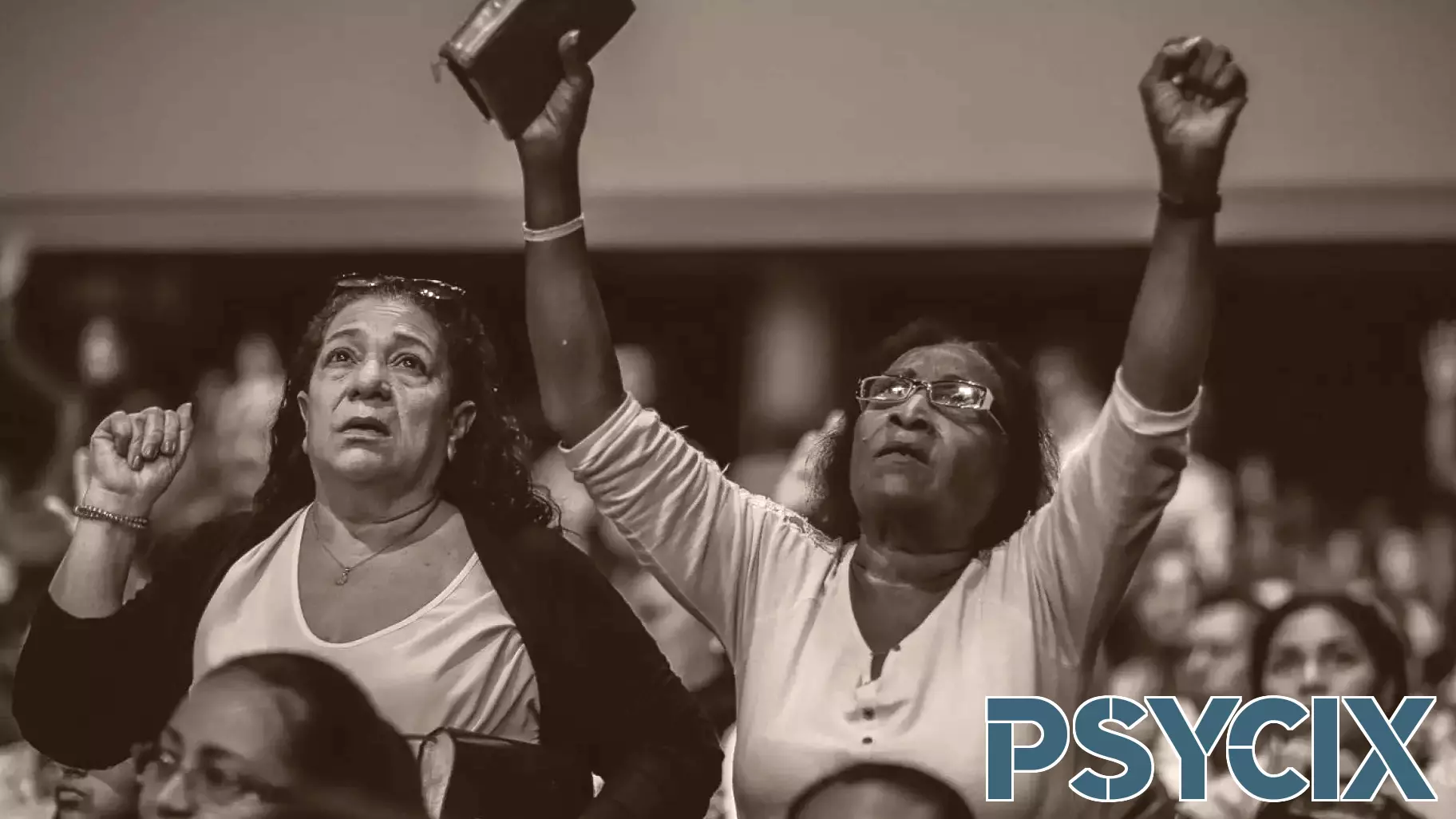
For nearly a century, psychologists have delved into the intricate relationship between religious beliefs and intelligence. This extensive body of research has yielded a variety of findings, often sparking debate within academic circles.
Many studies suggest that there is a complex interplay between an individual's level of intelligence and their religious beliefs. Some researchers argue that higher intelligence is associated with lower levels of religiosity, positing that more analytical thinking may lead individuals to question traditional beliefs. Conversely, others have found that intelligence does not necessarily correlate with a decline in religious faith, highlighting that many intelligent individuals maintain strong spiritual beliefs.
Additionally, factors such as culture, education, and personal experiences play significant roles in shaping both intelligence and religious views. The ongoing exploration of this relationship continues to reveal nuances that challenge simplistic interpretations, suggesting that the dialogue between faith and reason is far more intricate than previously assumed. As research evolves, it remains a compelling topic of inquiry in psychology and sociology.
MORE NEWS

October 8, 2026 - 15:57
Imitation Is How Children Learn More Than Just WordsWhen a toddler suddenly starts echoing a parent`s words, facial expressions or gestures, it can look like simple mimicry. Developmental psychology research, however, shows that imitation is closely...
October 7, 2026 - 21:42
Geisinger Excited About Teaching at SCCKate Geisinger has joined Southeastern Community College as a full-time psychology instructor, bringing with her a strong commitment to student learning and intellectual growth. Geisinger says her...

October 7, 2026 - 03:39
Associate professor of psychology brings evidence-based mental wellness support directly to college studentsKaileigh Byrne, Wallace R. Roy Distinguished Associate Professor of psychology in the College of Behavioral, Social and Health Sciences, has spent years studying how people make decisions under...

October 6, 2026 - 01:22
Inside the Mind: How SailGP Teams Handle Pressure and Build Winning CulturesThe human side of elite sailing takes center stage in the newest chapter of SailGP`s documentary series Racing on the Edge, created alongside Rolex. This installment shifts focus away from boat...