Exploring Personality Traits in ME/CFS and Long Covid Patients
June 12, 2025 - 03:02

Recent observations by clinicians and researchers highlight a connection between specific personality traits and the experiences of individuals suffering from Myalgic Encephalomyelitis/Chronic Fatigue Syndrome (ME/CFS) and long Covid. Many patients exhibit characteristics such as perfectionism, high sensitivity, and a tendency towards self-neglect, which may contribute to their ongoing struggles with these complex conditions.
Understanding these personality traits could be key in unraveling the intricacies of ME/CFS and long Covid. Researchers suggest that these traits may influence how individuals cope with their illnesses and interact with healthcare systems. For instance, perfectionistic tendencies might lead to unrealistic expectations regarding recovery, while high sensitivity could amplify the emotional toll of living with chronic illness.
As the medical community continues to investigate these links, there is hope that recognizing and addressing these personality traits may enhance treatment approaches, ultimately leading to better outcomes for those affected. By fostering a deeper understanding of the psychological aspects of these conditions, clinicians may be better equipped to support their patients on the path to recovery.
MORE NEWS

October 8, 2026 - 15:57
Imitation Is How Children Learn More Than Just WordsWhen a toddler suddenly starts echoing a parent`s words, facial expressions or gestures, it can look like simple mimicry. Developmental psychology research, however, shows that imitation is closely...
October 7, 2026 - 21:42
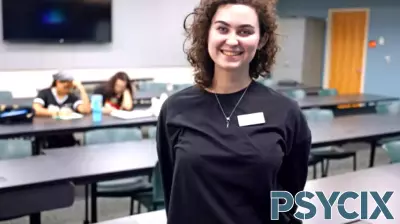
Geisinger Excited About Teaching at SCCKate Geisinger has joined Southeastern Community College as a full-time psychology instructor, bringing with her a strong commitment to student learning and intellectual growth. Geisinger says her...

October 7, 2026 - 03:39
Associate professor of psychology brings evidence-based mental wellness support directly to college studentsKaileigh Byrne, Wallace R. Roy Distinguished Associate Professor of psychology in the College of Behavioral, Social and Health Sciences, has spent years studying how people make decisions under...

October 6, 2026 - 01:22
Inside the Mind: How SailGP Teams Handle Pressure and Build Winning CulturesThe human side of elite sailing takes center stage in the newest chapter of SailGP`s documentary series Racing on the Edge, created alongside Rolex. This installment shifts focus away from boat...