Exploring Cognitive Biases in the Australian Mushroom Murders
January 5, 2026 - 21:43

Cognitive biases can significantly influence our decision-making processes and our capacity to evaluate risks accurately. The tragic case of the Australian mushroom murders has brought attention to how these biases can shape perceptions and judgments in critical situations.
One prominent cognitive bias evident in this case is the availability heuristic, where individuals rely on immediate examples that come to mind when evaluating a situation. In the context of the mushroom murders, sensational media coverage may have led the public to overestimate the prevalence of such incidents, distorting their perception of safety regarding foraging mushrooms.
Another bias at play is confirmation bias, where people tend to favor information that confirms their preexisting beliefs. This can lead to a skewed understanding of the events, as individuals may only focus on evidence that supports their views while ignoring contradictory information.
Lastly, the anchoring effect may have influenced investigators and the public alike. Initial information regarding the case could have set a mental "anchor," affecting subsequent judgments and interpretations of evidence. Understanding these biases is crucial for a clearer analysis of the events surrounding this tragic case.
MORE NEWS

October 8, 2026 - 15:57
Imitation Is How Children Learn More Than Just WordsWhen a toddler suddenly starts echoing a parent`s words, facial expressions or gestures, it can look like simple mimicry. Developmental psychology research, however, shows that imitation is closely...
October 7, 2026 - 21:42
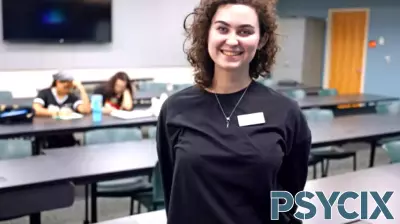
Geisinger Excited About Teaching at SCCKate Geisinger has joined Southeastern Community College as a full-time psychology instructor, bringing with her a strong commitment to student learning and intellectual growth. Geisinger says her...

October 7, 2026 - 03:39
Associate professor of psychology brings evidence-based mental wellness support directly to college studentsKaileigh Byrne, Wallace R. Roy Distinguished Associate Professor of psychology in the College of Behavioral, Social and Health Sciences, has spent years studying how people make decisions under...

October 6, 2026 - 01:22
Inside the Mind: How SailGP Teams Handle Pressure and Build Winning CulturesThe human side of elite sailing takes center stage in the newest chapter of SailGP`s documentary series Racing on the Edge, created alongside Rolex. This installment shifts focus away from boat...