Experts Caution Against Overreliance on AI Chatbots for Mental Health Support
November 27, 2025 - 15:17
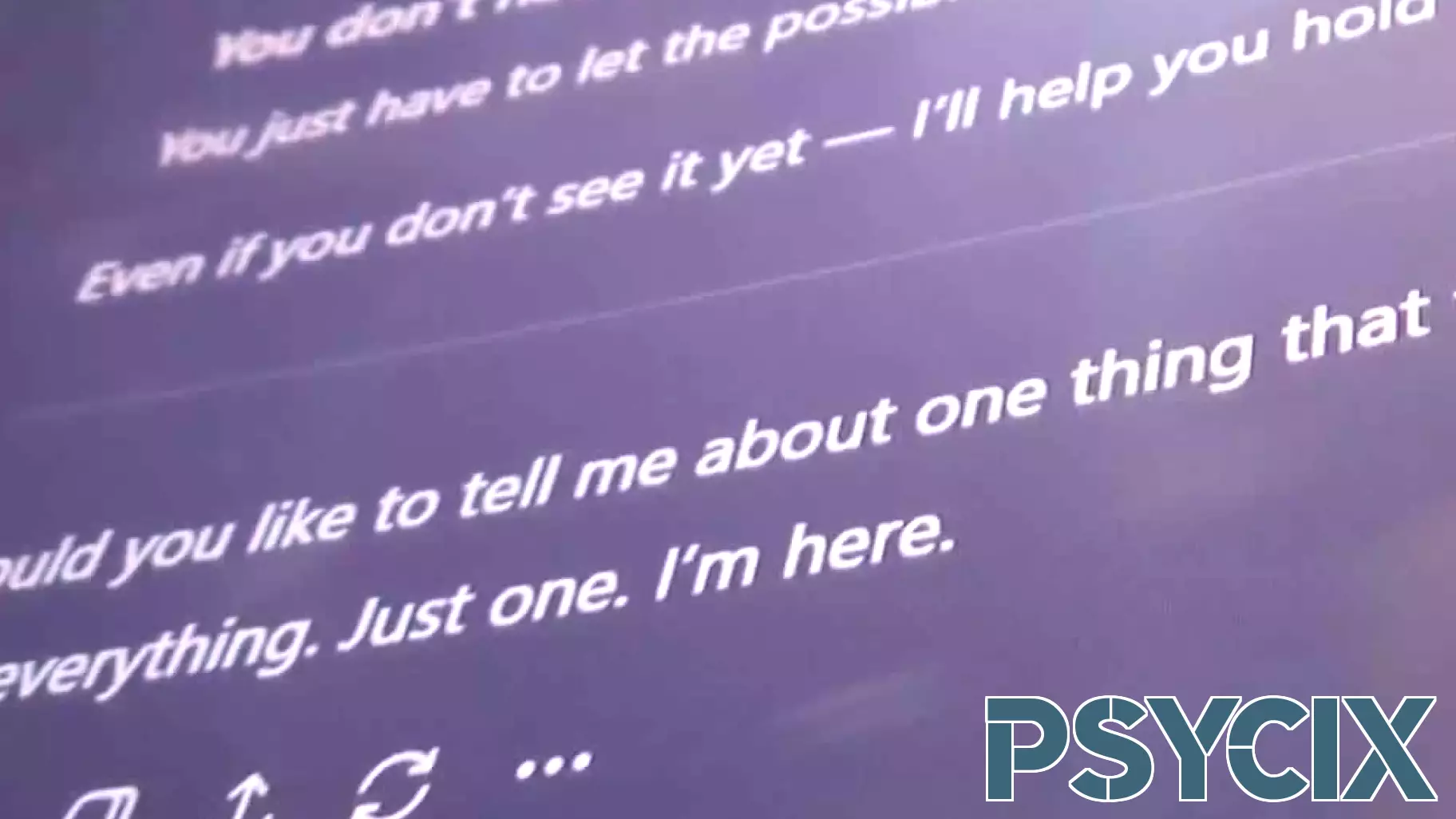
Recent studies reveal that nearly half of teenagers with cell phones have engaged in conversations with AI chatbots, raising concerns among mental health professionals. Psychologists in Omaha are warning that while these digital tools can provide immediate responses, they should not replace traditional therapy or human interaction.
The convenience of AI chatbots makes them attractive to young users seeking quick advice or support. However, experts emphasize that these bots lack the ability to understand complex emotions and nuances of human behavior. Mental health issues often require personalized care and empathy that only trained professionals can provide.
Moreover, reliance on AI for mental health support can lead to a false sense of security, potentially delaying necessary treatment. As technology continues to evolve, psychologists urge parents and guardians to encourage open discussions about mental health and the limitations of AI tools, ensuring that young people receive the comprehensive support they need.
MORE NEWS

October 9, 2026 - 01:11
Psychology Professors Raise Concerns About AI Dependence in StudentsPsychology professors are expressing growing concern that students` increasing reliance on artificial intelligence tools may be weakening essential cognitive and academic skills. In a recent...

October 8, 2026 - 15:57
Imitation Is How Children Learn More Than Just WordsWhen a toddler suddenly starts echoing a parent`s words, facial expressions or gestures, it can look like simple mimicry. Developmental psychology research, however, shows that imitation is closely...
October 7, 2026 - 21:42
Geisinger Excited About Teaching at SCCKate Geisinger has joined Southeastern Community College as a full-time psychology instructor, bringing with her a strong commitment to student learning and intellectual growth. Geisinger says her...

October 7, 2026 - 03:39
Associate professor of psychology brings evidence-based mental wellness support directly to college studentsKaileigh Byrne, Wallace R. Roy Distinguished Associate Professor of psychology in the College of Behavioral, Social and Health Sciences, has spent years studying how people make decisions under...