Exciting Events This Week: Theater, Art, and Earth Day Celebrations
April 22, 2025 - 02:04

This week promises an array of engaging events for culture enthusiasts and nature lovers alike. One highlight is the thought-provoking play, The Psychology of a Murder, which delves into the complexities of the human psyche and the motivations behind criminal behavior. This performance is sure to spark conversation and reflection among audiences.
Fans of musical theater will not want to miss The Cher Show, a dazzling tribute to the iconic pop star. With its vibrant performances and memorable songs, this show celebrates Cher's remarkable journey and impact on music and culture.
In addition to theatrical performances, art lovers can experience the Bold Women exhibition, showcasing dance as a powerful form of expression. This exhibition highlights the strength and resilience of women through captivating choreography and visual art.
Moreover, Earth Day celebrations will take place throughout the week, encouraging communities to engage in environmental awareness and sustainability efforts. From educational workshops to outdoor activities, there are plenty of opportunities to honor our planet.
MORE NEWS

October 8, 2026 - 15:57
Imitation Is How Children Learn More Than Just WordsWhen a toddler suddenly starts echoing a parent`s words, facial expressions or gestures, it can look like simple mimicry. Developmental psychology research, however, shows that imitation is closely...
October 7, 2026 - 21:42
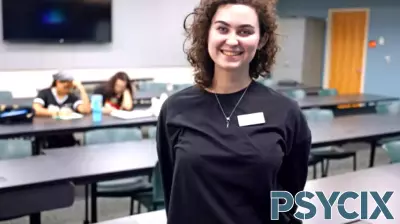
Geisinger Excited About Teaching at SCCKate Geisinger has joined Southeastern Community College as a full-time psychology instructor, bringing with her a strong commitment to student learning and intellectual growth. Geisinger says her...

October 7, 2026 - 03:39
Associate professor of psychology brings evidence-based mental wellness support directly to college studentsKaileigh Byrne, Wallace R. Roy Distinguished Associate Professor of psychology in the College of Behavioral, Social and Health Sciences, has spent years studying how people make decisions under...

October 6, 2026 - 01:22
Inside the Mind: How SailGP Teams Handle Pressure and Build Winning CulturesThe human side of elite sailing takes center stage in the newest chapter of SailGP`s documentary series Racing on the Edge, created alongside Rolex. This installment shifts focus away from boat...