Embrace Connection Over Indulgence This Holiday Season
November 20, 2025 - 21:39

As the holiday season approaches, many individuals find themselves grappling with stress and societal pressures that can negatively impact body image, intimacy, and desire. These challenges affect everyone, regardless of gender, as unrealistic ideals often create a disconnect between personal expectations and reality.
To counteract these feelings, it's essential to cultivate awareness and compassion towards oneself and others. Recognizing that holiday gatherings and celebrations can sometimes lead to overindulgence can help individuals navigate their emotions more effectively. Emphasizing open communication with partners and loved ones can foster deeper connections and intimacy, allowing for a more fulfilling experience during this festive time.
Instead of focusing on feeling stuffed, both physically and emotionally, prioritize moments of genuine connection. Sharing feelings, engaging in meaningful conversations, and creating a supportive environment can transform the holiday experience into one of joy and closeness. By making space for understanding and empathy, individuals can truly savor the spirit of the season.
MORE NEWS

October 8, 2026 - 15:57
Imitation Is How Children Learn More Than Just WordsWhen a toddler suddenly starts echoing a parent`s words, facial expressions or gestures, it can look like simple mimicry. Developmental psychology research, however, shows that imitation is closely...
October 7, 2026 - 21:42
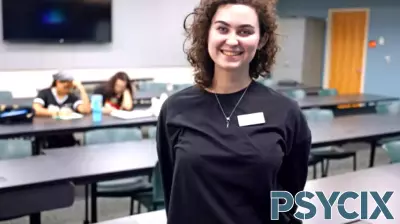
Geisinger Excited About Teaching at SCCKate Geisinger has joined Southeastern Community College as a full-time psychology instructor, bringing with her a strong commitment to student learning and intellectual growth. Geisinger says her...

October 7, 2026 - 03:39
Associate professor of psychology brings evidence-based mental wellness support directly to college studentsKaileigh Byrne, Wallace R. Roy Distinguished Associate Professor of psychology in the College of Behavioral, Social and Health Sciences, has spent years studying how people make decisions under...

October 6, 2026 - 01:22
Inside the Mind: How SailGP Teams Handle Pressure and Build Winning CulturesThe human side of elite sailing takes center stage in the newest chapter of SailGP`s documentary series Racing on the Edge, created alongside Rolex. This installment shifts focus away from boat...