Discovering the Key to Resilience in Tough Times
January 12, 2025 - 03:40

When life hands you a significant blow, what can get you back on your feet? Recent research has shed light on the inner resources that play a crucial role in helping individuals cope with life's stresses. Resilience is not just about bouncing back; it encompasses a range of psychological traits and social supports that enable people to navigate challenges effectively.
The study highlights the importance of emotional regulation, optimism, and a strong support network. Individuals who possess a positive outlook and the ability to manage their emotions tend to recover more swiftly from adversity. Additionally, having a reliable circle of friends and family can provide the necessary encouragement and assistance during tough times.
Moreover, the research emphasizes the significance of adaptability. Those who can adjust their strategies in response to changing circumstances are often better equipped to handle setbacks. By fostering these qualities, individuals can enhance their resilience and improve their overall well-being, making it easier to face life's inevitable challenges.
MORE NEWS

October 9, 2026 - 01:11
Psychology Professors Raise Concerns About AI Dependence in StudentsPsychology professors are expressing growing concern that students` increasing reliance on artificial intelligence tools may be weakening essential cognitive and academic skills. In a recent...

October 8, 2026 - 15:57
Imitation Is How Children Learn More Than Just WordsWhen a toddler suddenly starts echoing a parent`s words, facial expressions or gestures, it can look like simple mimicry. Developmental psychology research, however, shows that imitation is closely...
October 7, 2026 - 21:42
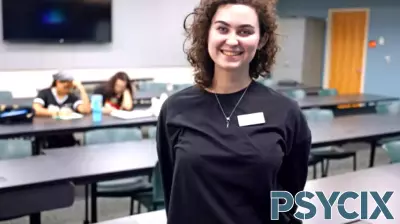
Geisinger Excited About Teaching at SCCKate Geisinger has joined Southeastern Community College as a full-time psychology instructor, bringing with her a strong commitment to student learning and intellectual growth. Geisinger says her...

October 7, 2026 - 03:39
Associate professor of psychology brings evidence-based mental wellness support directly to college studentsKaileigh Byrne, Wallace R. Roy Distinguished Associate Professor of psychology in the College of Behavioral, Social and Health Sciences, has spent years studying how people make decisions under...