Breaking the Chains of Imprinting in Autism Spectrum Disorders
February 9, 2025 - 11:12

Recent advancements in understanding autism spectrum disorders (ASD) have shed light on the concept of imprinting, which refers to the lasting effects of early-life experiences on brain development and behavior. Researchers are now exploring how these imprints can be disrupted, potentially leading to innovative interventions for individuals with ASD.
Studies indicate that specific environmental factors during critical developmental windows can significantly influence the trajectory of autism symptoms. By identifying these factors, scientists aim to develop targeted therapies that could mitigate the impact of negative imprints. This approach holds promise for enhancing the quality of life for those affected by ASD.
Moreover, emerging therapies that focus on neuroplasticity—the brain's ability to reorganize itself—are gaining traction. These therapies aim to rewire neural pathways, offering hope for improved social skills and communication abilities in individuals with autism. As research continues to evolve, the potential for breaking the chains of imprinting in autism could lead to transformative changes in treatment strategies and support systems for those on the spectrum.
MORE NEWS

October 9, 2026 - 01:11
Psychology Professors Raise Concerns About AI Dependence in StudentsPsychology professors are expressing growing concern that students` increasing reliance on artificial intelligence tools may be weakening essential cognitive and academic skills. In a recent...

October 8, 2026 - 15:57
Imitation Is How Children Learn More Than Just WordsWhen a toddler suddenly starts echoing a parent`s words, facial expressions or gestures, it can look like simple mimicry. Developmental psychology research, however, shows that imitation is closely...
October 7, 2026 - 21:42
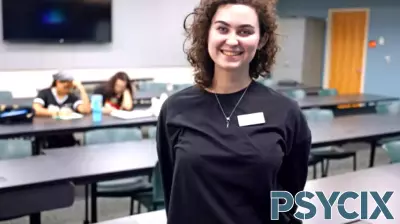
Geisinger Excited About Teaching at SCCKate Geisinger has joined Southeastern Community College as a full-time psychology instructor, bringing with her a strong commitment to student learning and intellectual growth. Geisinger says her...

October 7, 2026 - 03:39
Associate professor of psychology brings evidence-based mental wellness support directly to college studentsKaileigh Byrne, Wallace R. Roy Distinguished Associate Professor of psychology in the College of Behavioral, Social and Health Sciences, has spent years studying how people make decisions under...