Mental Health Campaigns Can Do More Harm Than Good
May 16, 2026 - 19:37
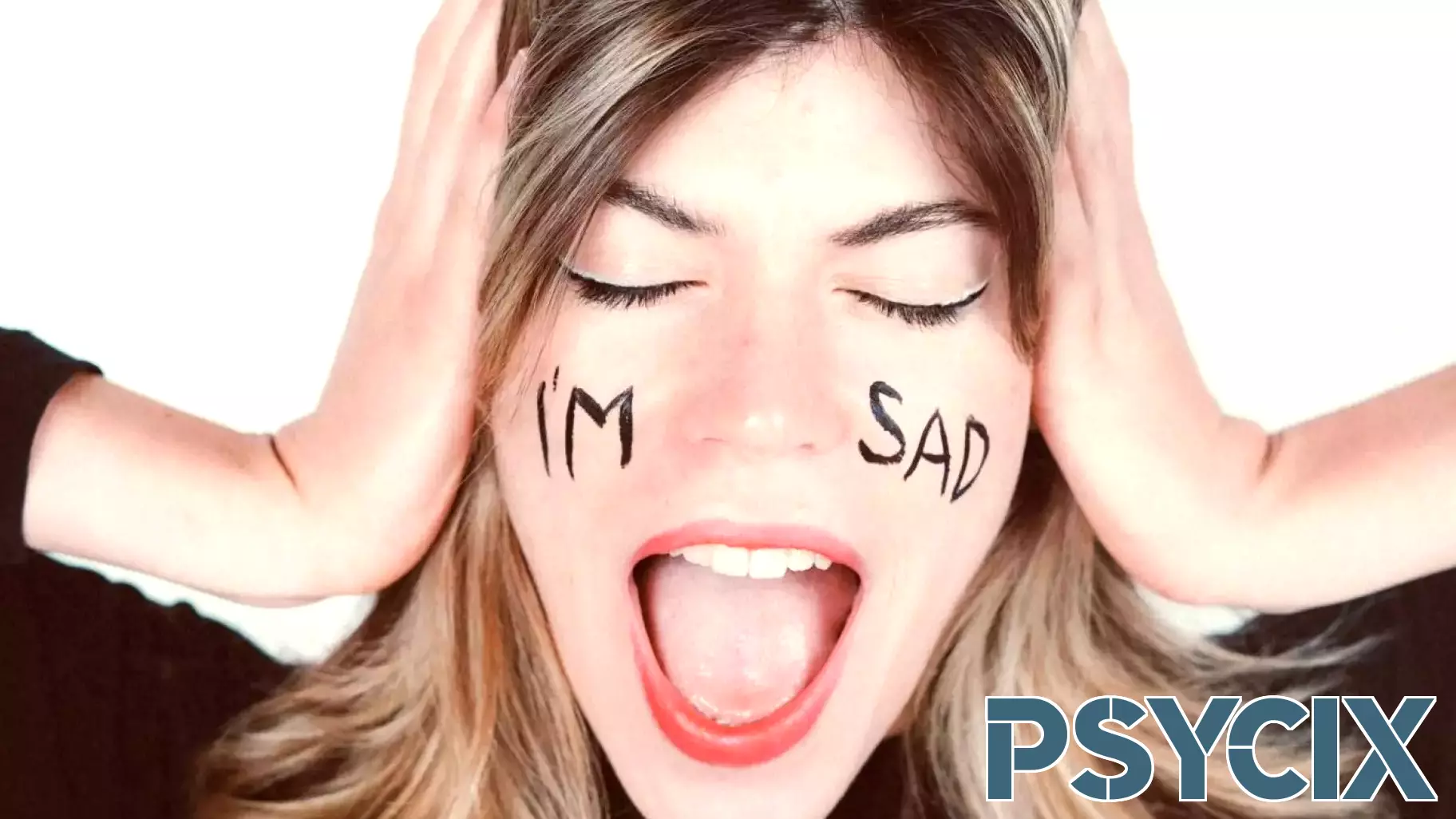
A growing number of psychologists and public health researchers are questioning whether the flood of mental health awareness campaigns is actually making people feel worse. While the intention is to reduce stigma and encourage help-seeking, the constant push to "check in with yourself" and "prioritize your mental health" may be triggering anxiety in otherwise healthy individuals.
The problem, experts argue, is a phenomenon called "symptom normalization." When people are repeatedly told to watch for signs of depression, burnout, or panic, they begin to interpret ordinary stress or sadness as pathological. A bad day becomes a "mental health crisis." A quiet mood becomes "depression." The result is a self-fulfilling cycle: the more we look for problems, the more we find them.
Some studies suggest that overexposure to mental health messaging can increase hypervigilance. People start scanning their internal state for distress, which actually amplifies negative emotions. This is particularly true for younger audiences on social media, where mental health content is often algorithmically amplified. Instead of feeling comforted, users report feeling broken or inadequate for not feeling okay.
There is also concern that campaigns oversimplify complex conditions. By telling everyone to "talk about it" or "breathe," they may trivialize serious disorders that require professional treatment. Meanwhile, those who do not respond to generic advice may feel like they are failing.
Critics are not calling for an end to awareness efforts. But they urge a shift toward more nuanced messaging that does not pathologize everyday emotions. The goal should be resilience, not constant self-surveillance. Sometimes, the healthiest thing you can do is stop checking how you feel.
MORE NEWS

September 29, 2026 - 03:52
Teresa Giudice Addresses Milania's Mental Health StrugglesTeresa Giudice is opening up about her daughter Milania`s current mental health challenges, confirming that the 20-year-old is dealing with what the family describes as significant psychological...

September 28, 2026 - 15:07
Why So Many People Feel Completely Drained Right NowA psychologist has offered an explanation for the widespread exhaustion many people are reporting, and the reasoning is surprisingly straightforward. Naomi Holdt, a psychologist and speaker,...

September 27, 2026 - 19:28
BC Receives $4.3 Million Grant To Integrate Humanities Into Psychotherapy TrainingBoston College has secured a $4.3 million grant from the Kern Family Foundation to support a three-year initiative called `Awakening Psychology`s Moral Imagination.` The project will be run by the...

September 27, 2026 - 05:06
The Psychological Cost of Chasing AI Innovation in the WorkplaceThe race to keep pace with AI is testing executives` resilience, forcing them to rethink how they manage expectations, uncertainty, and their own well-being. Business leaders across industries are...