A Daily Gratitude Practice Inspired by Steve Jobs and Modern Psychology
November 25, 2024 - 18:03
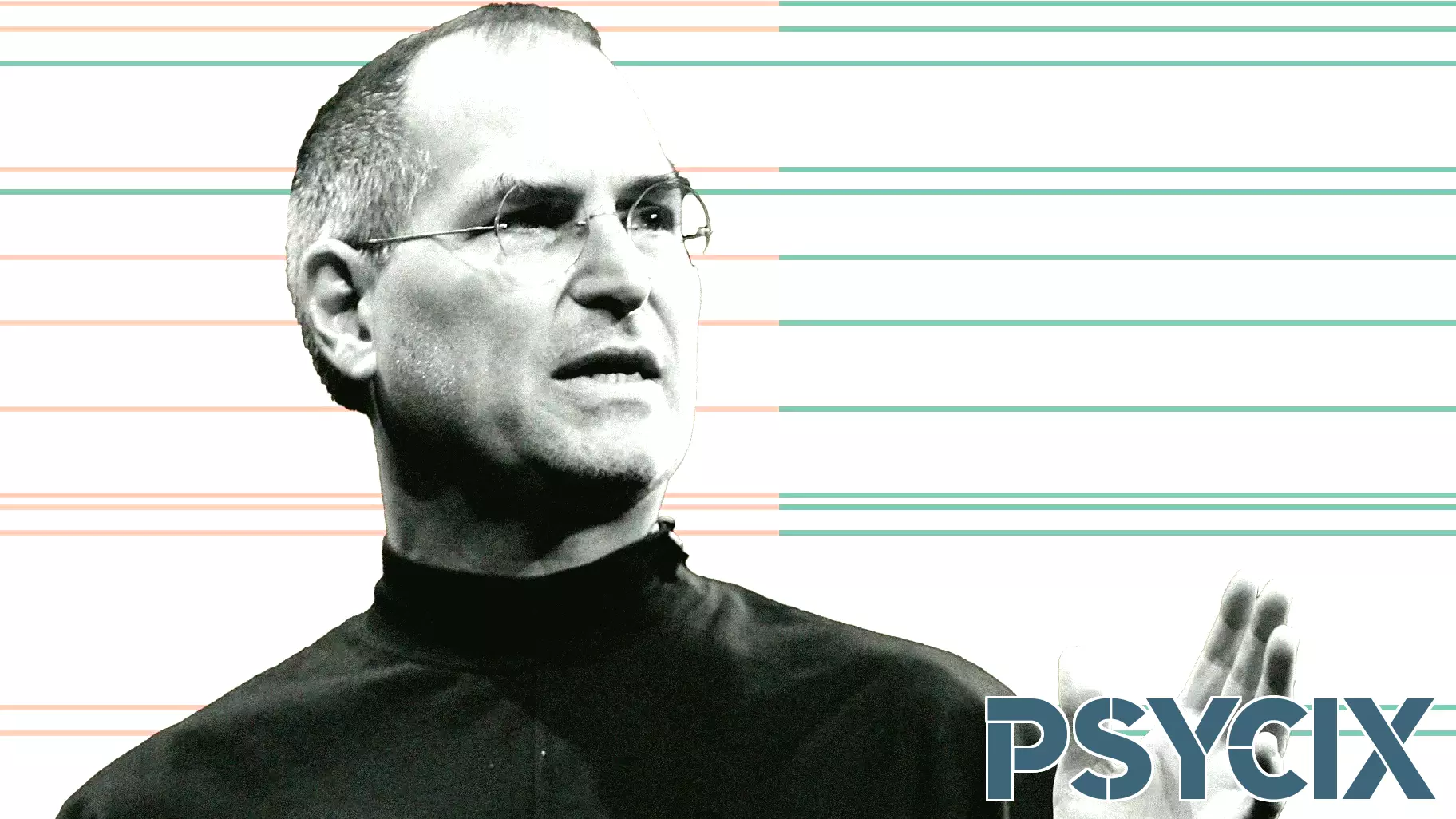
In the quest for an impactful daily gratitude practice, both Steve Jobs and contemporary psychological research offer valuable insights. Each morning, Jobs posed a fundamental question to himself that guided his mindset and actions throughout the day. This practice not only influenced his personal outlook but also contributed to his remarkable success.
Recent studies in psychology emphasize the benefits of cultivating gratitude, linking it to improved mental well-being and overall life satisfaction. By adopting a similar approach, individuals can enhance their daily routines and foster a more positive perspective on life.
Incorporating this simple yet profound question into your morning ritual may lead to transformative changes, encouraging a deeper appreciation for the present moment and the opportunities that lie ahead.
MORE NEWS

October 8, 2026 - 15:57
Imitation Is How Children Learn More Than Just WordsWhen a toddler suddenly starts echoing a parent`s words, facial expressions or gestures, it can look like simple mimicry. Developmental psychology research, however, shows that imitation is closely...

October 7, 2026 - 21:42
Geisinger Excited About Teaching at SCCKate Geisinger has joined Southeastern Community College as a full-time psychology instructor, bringing with her a strong commitment to student learning and intellectual growth. Geisinger says her...

October 7, 2026 - 03:39
Associate professor of psychology brings evidence-based mental wellness support directly to college studentsKaileigh Byrne, Wallace R. Roy Distinguished Associate Professor of psychology in the College of Behavioral, Social and Health Sciences, has spent years studying how people make decisions under...

October 6, 2026 - 01:22
Inside the Mind: How SailGP Teams Handle Pressure and Build Winning CulturesThe human side of elite sailing takes center stage in the newest chapter of SailGP`s documentary series Racing on the Edge, created alongside Rolex. This installment shifts focus away from boat...