What Cognitive Bias Means for the Future of Hiring in 2026
4 September 2026
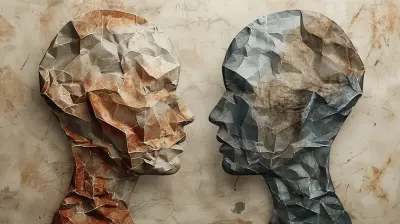
If you have ever sat through a hiring panel where two candidates had identical qualifications but wildly different outcomes, you already know the dirty secret of talent acquisition: we are not as rational as we think we are. We like to believe we evaluate resumes like computers, weighing skills, experience, and cultural fit with cold precision. But the human brain does not work that way. It takes shortcuts. It fills in gaps with assumptions. It falls in love with a story and then builds a narrative around it.
By 2026, the conversation around hiring will no longer be about whether we have biases. It will be about how we manage them when AI, remote work, and a global talent pool make the stakes even higher. Cognitive bias is not a bug in the system. It is the system. The future of hiring depends on whether we can finally admit that and build processes that work with our brains, not against them.
The Hidden Architecture of Bias in Hiring
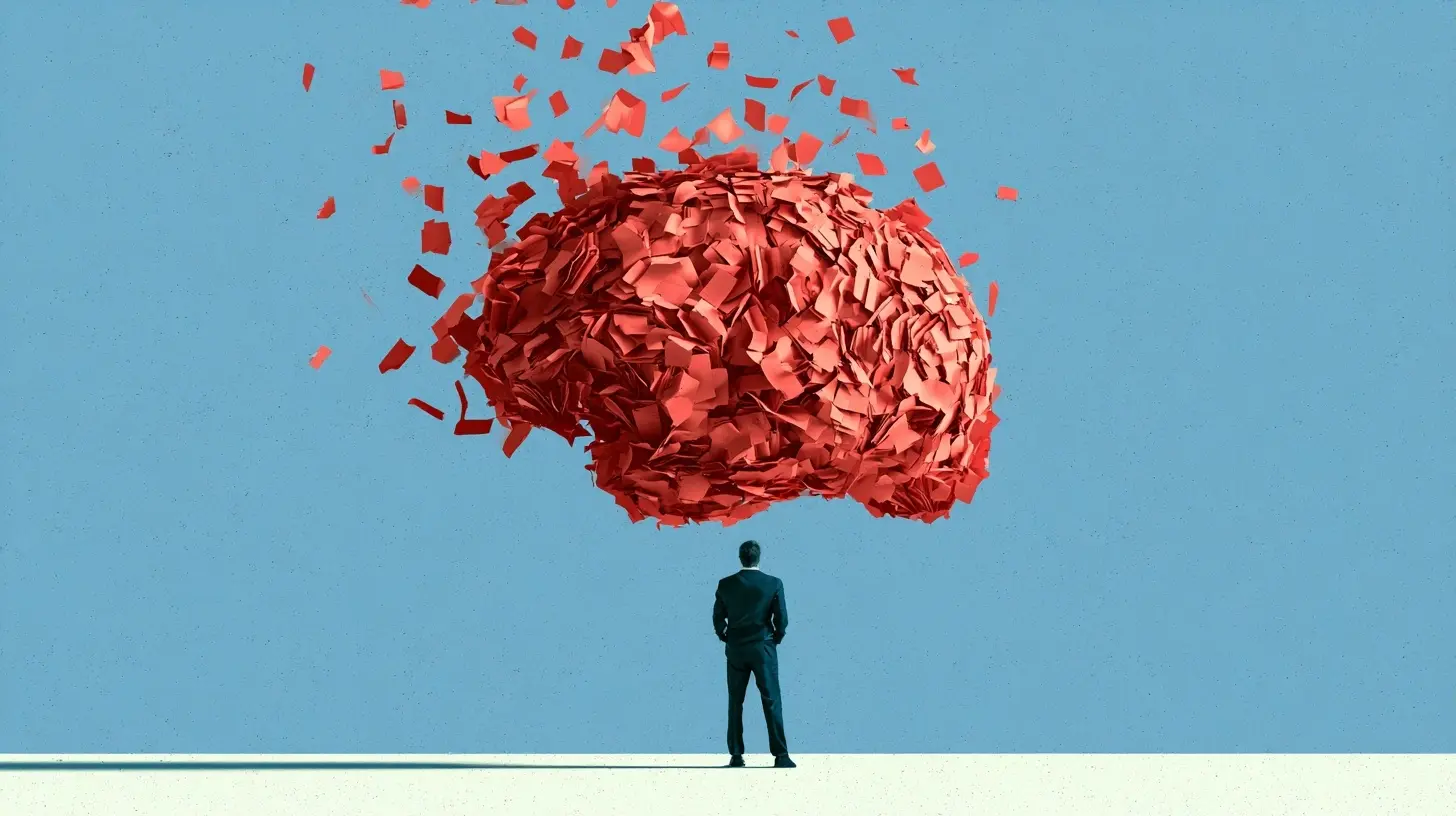
Cognitive bias is not one single thing. It is a collection of mental patterns that evolved to help us make quick decisions when we did not have time to analyze every detail. In a prehistoric context, that was useful. If you heard rustling in the bushes, you did not run a full probability analysis on whether it was a predator or the wind. You just ran.But hiring is not a life-or-death situation. It is a high-stakes decision that requires deliberate thought. Yet our brains still treat it like a threat assessment. We look for signals that match our past experiences, our comfort zones, and our implicit assumptions about what a "good" candidate looks like.
Take the halo effect. If a candidate went to a prestigious university, we unconsciously assume they are also more intelligent, more organized, and better at communication. We take one positive attribute and let it color everything else. The opposite happens with the horns effect. A candidate who stumbles on a video call might be judged as less competent, even if their technical skills are superior.
These biases are not just about race or gender, though those are the most damaging. They are about everything. Accents. Gap years. Job titles that sound impressive versus ones that sound mundane. The order in which you review resumes. Whether you interviewed someone before or after lunch. Whether the candidate reminds you of your favorite colleague from ten years ago.
By 2026, we will have more data than ever about candidates. But data does not eliminate bias. It just gives bias new places to hide.
Why 2026 Will Be a Tipping Point
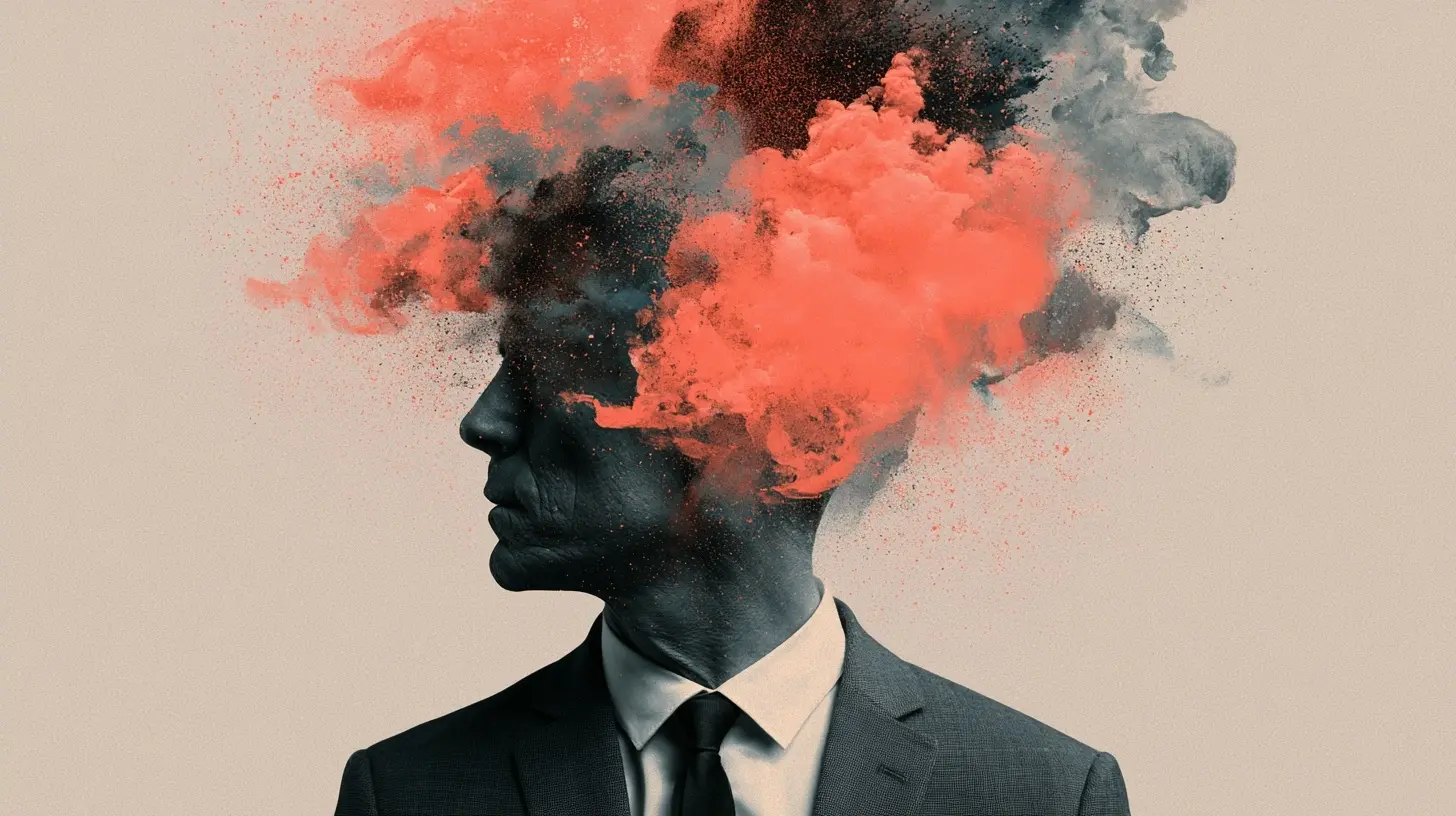
Several forces are converging that make cognitive bias a critical issue for the next few years.First, remote work has permanently changed the talent pool. Companies are no longer hiring from a fifty-mile radius. They are hiring from different time zones, cultures, and educational systems. That means the signals we used to rely on, like local university prestige or familiarity with certain cultural references, are becoming less reliable. But our brains have not caught up. We still gravitate toward candidates who feel "familiar," even when familiarity has no correlation with job performance.
Second, AI is now deeply embedded in the hiring process. Many companies use automated resume screeners, video interview analysis, and predictive assessments. The problem is that AI models are trained on historical data. If your company has historically hired a certain type of person, the AI will learn to favor that type. It will replicate your biases at scale, and it will do so with the false authority of objectivity.
Third, the pace of change in job roles is accelerating. The skills needed for a role in 2026 may not be the same as the skills needed in 2027. Hiring for a static set of criteria is becoming less useful. We need to hire for adaptability, learning potential, and problem-solving. But our brains are terrible at evaluating those traits because they are not visible on a resume. We default to what we can see, which is past experience, and we assume it predicts future performance.
The result is a perfect storm. More candidates, more data, more uncertainty, and a brain that is still running on prehistoric software.
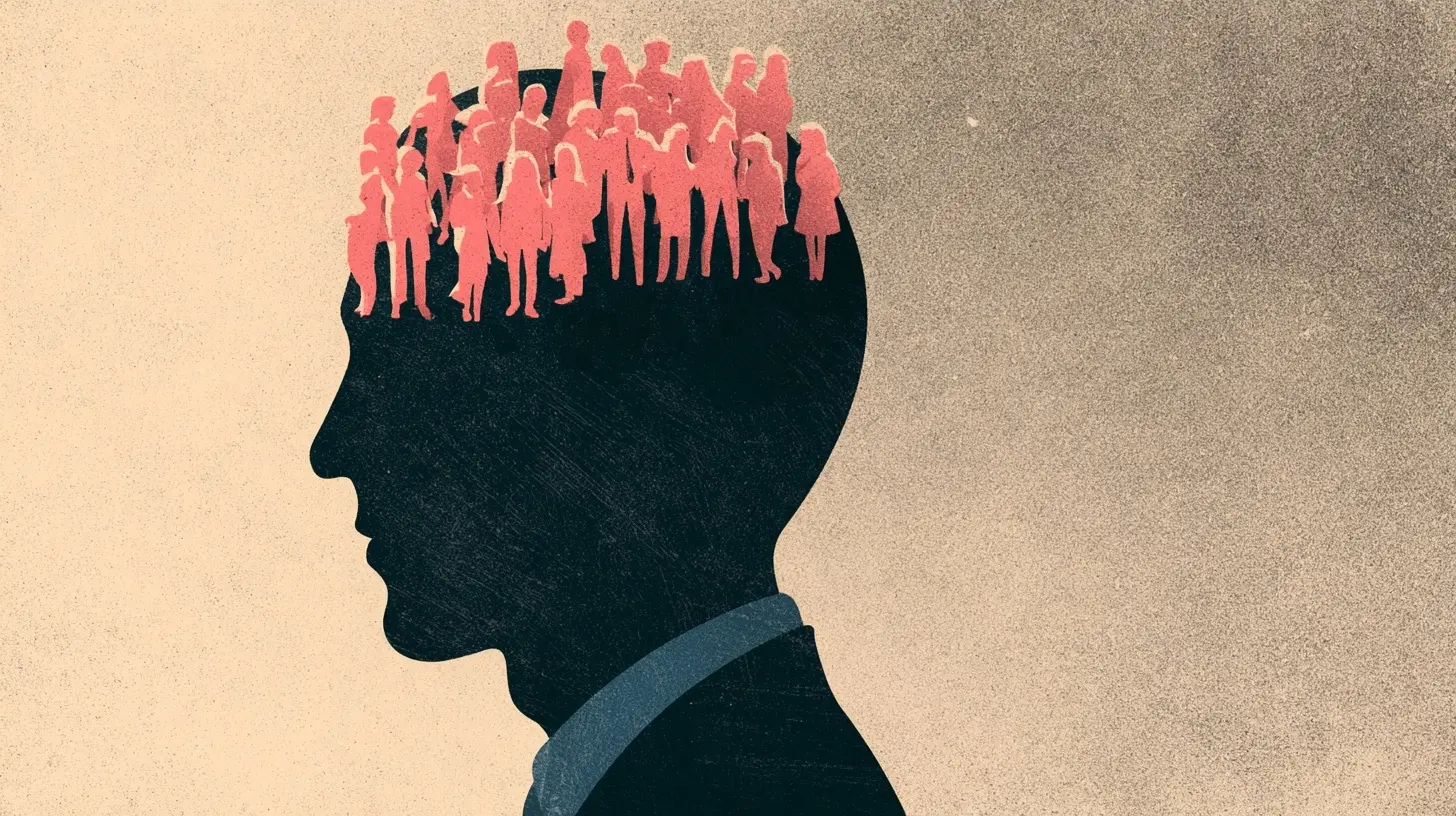
The Most Dangerous Biases in Modern Hiring
Let us be specific about which biases will cause the most damage in 2026.Confirmation bias is the quiet killer. Once you form an initial impression of a candidate, you subconsciously look for evidence that supports it and ignore evidence that contradicts it. If you decide in the first five minutes that a candidate is strong, you will interpret their nervousness as enthusiasm and their vague answers as strategic thinking. If you decide they are weak, you will interpret the same behaviors as red flags.
This is especially dangerous in structured interviews. Even when you have a set list of questions, confirmation bias makes you listen selectively. You are not actually hearing the answers. You are hearing the answers through a filter that was set before the interview even started.
Anchoring bias is another major issue. The first piece of information you receive about a candidate sets a reference point. If you see a salary expectation that is very high, everything else about the candidate is judged against that anchor. If you see a resume with a gap year first, that gap becomes the lens through which you view every subsequent achievement.
Availability bias is becoming more relevant with the rise of social media. If you recently read a negative article about someone from a certain company or a certain educational background, you are more likely to judge a candidate from that same background harshly. Your brain mistakes ease of recall for frequency of occurrence. Just because you can remember a negative example does not mean it is common.
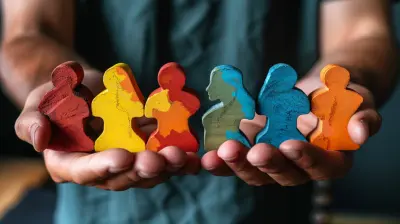
Then there is similarity bias, which is the most insidious because it feels positive. We like people who are like us. We trust them more. We assume they will communicate better and fit in faster. In 2026, with remote teams spanning multiple cultures, similarity bias will create homogeneous pockets within organizations. Teams will become less diverse not because of explicit discrimination, but because of an unconscious preference for people who share our hobbies, our communication style, or our sense of humor.
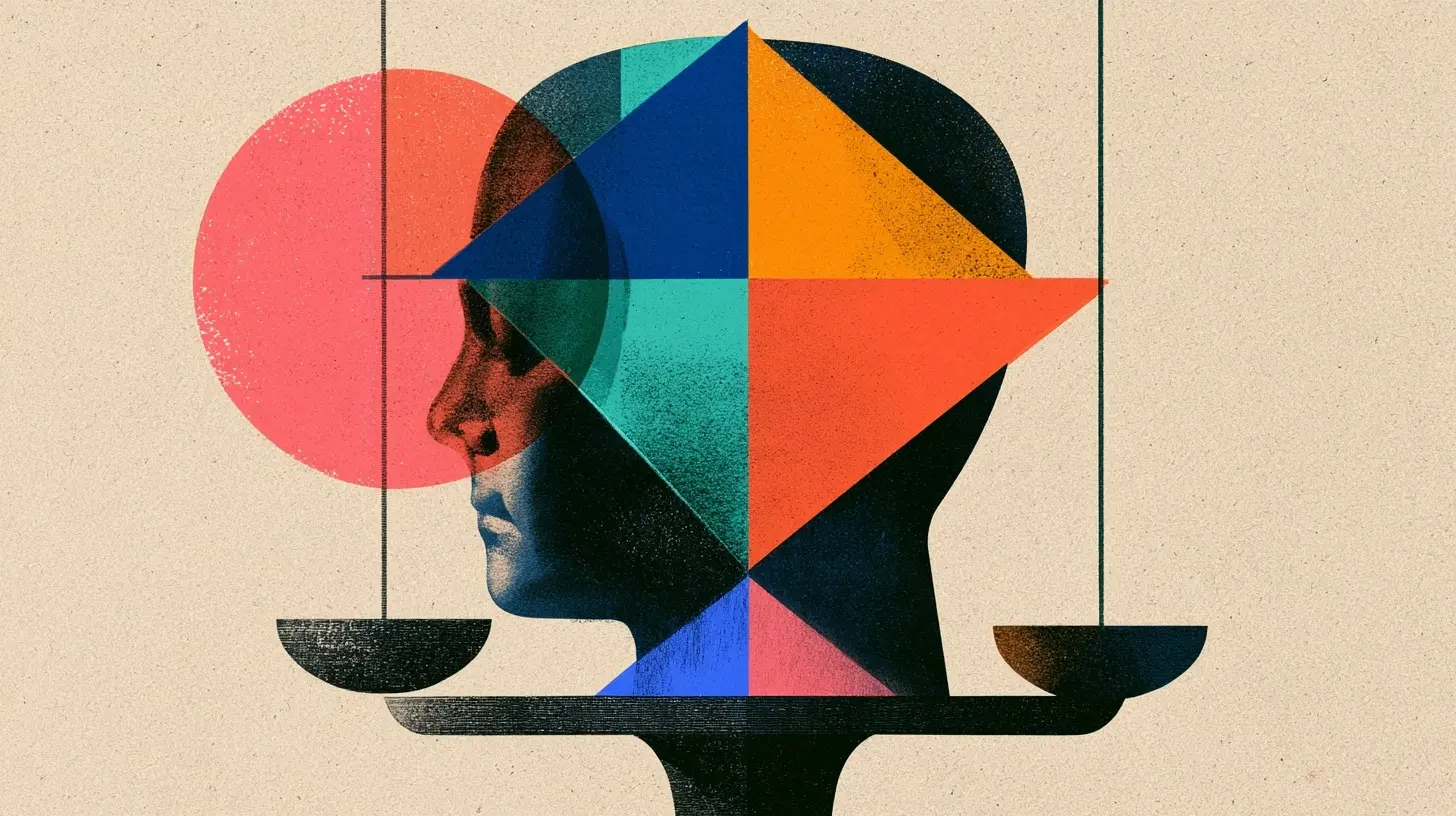
How AI Amplifies Bias and How It Can Help
The relationship between AI and bias in hiring is complicated. On one hand, AI can be a powerful tool for reducing bias. It can screen resumes without knowing a candidate's name, age, or gender. It can analyze interview responses for content rather than delivery style. It can flag patterns that human reviewers miss.But AI is not neutral. It learns from the data you give it. If your historical hiring data reflects biased decisions, the AI will encode those biases into its algorithms. This is not a hypothetical concern. It is a documented pattern across many industries. A model trained on ten years of resumes from your company will learn that candidates from certain schools are more likely to be hired, not because they perform better, but because they were historically favored.
The key is to use AI for what it is good at and to keep humans for what they are good at. AI is excellent at pattern recognition and consistency. It can apply the same criteria to every candidate without getting tired or distracted. Humans are excellent at context and nuance. We can understand that a candidate who changed careers three times might have a compelling reason, or that a gap in employment was due to caregiving, not lack of drive.
The mistake many companies make is treating AI as a replacement for human judgment. It is not. It is a tool that can remove some of the noise, but it cannot remove the fundamental challenge of predicting human performance.
In 2026, the best hiring processes will be hybrid. AI will handle the initial screening, flagging candidates who meet objective criteria. Humans will handle the deeper evaluation, using structured interviews and work samples. The goal is not to eliminate bias entirely, which is impossible, but to create a system where bias is less likely to be the deciding factor.
Structured Interviews: The Unsexy Solution That Works
If there is one intervention that has consistently been shown to reduce bias in hiring, it is the structured interview. This means asking every candidate the same questions in the same order, with a predetermined scoring rubric. It sounds simple, but it is surprisingly rare.Most interviews are unstructured conversations. The interviewer asks different questions based on the flow of dialogue, follows interesting tangents, and makes judgments based on gut feeling. This feels natural, but it is a breeding ground for bias. When you ask different questions to different candidates, you cannot compare their answers fairly. You are comparing apples to oranges, but your brain tells you that you are comparing candidates.
Structured interviews feel awkward at first. They require discipline. You cannot go off-script when a candidate says something interesting. You cannot probe deeper into a topic that catches your attention. But that discipline is exactly what reduces bias. It forces you to evaluate every candidate on the same dimensions.
The research on this is robust. Structured interviews have been shown to reduce the impact of gender and racial bias, and they also tend to produce better hiring outcomes. The reason is simple. When you have a clear rubric, you are less likely to be swayed by irrelevant factors like charisma or physical appearance.
By 2026, structured interviews will not be optional. They will be a baseline expectation. Candidates are becoming more sophisticated. They know when an interview is unstructured, and they know that unstructured interviews favor people who are good at talking, not necessarily people who are good at the job.
Work Samples Beat Interviews Every Time
Another trend that will define hiring in 2026 is the shift toward work samples. Instead of asking candidates to talk about how they would handle a situation, you ask them to actually handle a situation. This could be a coding challenge, a writing assignment, a mock presentation, or a case study.Work samples are powerful because they reduce the gap between talking and doing. A candidate can be charming in an interview but struggle with the actual demands of the job. Conversely, a candidate who is not polished in conversation might produce exceptional work when given the chance.
The downside is that work samples take time. They require effort from both the candidate and the hiring team. They also need to be designed carefully. A poorly designed work sample can measure the wrong skills or introduce new biases. For example, a take-home assignment that requires twenty hours of work will favor candidates who do not have caregiving responsibilities. A timed coding test will favor candidates who perform well under pressure, which may not be relevant to the actual job.
The solution is to use work samples that are short, relevant, and evaluated blind. Have multiple reviewers score the work without knowing the candidate's identity. This reduces the halo effect and forces you to focus on the output, not the person.
The Role of Blind Hiring
Blind hiring is a popular concept, but it is often misunderstood. The idea is to remove identifying information from resumes and applications so that initial screening is based solely on merit. This can mean removing names, gender, age, and sometimes even educational institutions.Blind hiring works well for the initial screening stage. It has been shown to increase diversity in some contexts. But it has limitations. You cannot keep a candidate blind through the entire process. Eventually, you will meet them, and at that point, all the biases that you tried to avoid will come rushing back.
The mistake is to think that blind hiring is a complete solution. It is not. It is a first step. It helps you get a more diverse pool of candidates to the interview stage, but it does not help you make unbiased decisions once you are in the room.
In 2026, we will see more sophisticated approaches to blind hiring. For example, some companies are using asynchronous video interviews where candidates answer pre-recorded questions. The hiring team can evaluate the responses without seeing the candidate's name or background. This reduces some biases, but it introduces others. Candidates who are comfortable on camera will have an advantage, which is not necessarily relevant to the job.
The key is to be thoughtful about what you are trying to achieve. If the goal is to reduce bias, you need to measure the outcome. Are you hiring more diverse candidates? Are you hiring candidates who perform better? If not, you need to adjust your approach.
Common Mistakes and Misconceptions
There is a widespread belief that bias training solves the problem. It does not. Bias training can raise awareness, but awareness alone does not change behavior. In fact, some research suggests that mandatory bias training can backfire, creating resentment and reinforcing stereotypes.The more effective approach is to change the structure of the hiring process. Instead of trying to change people's minds, change the environment in which decisions are made. This is called structural intervention. You do not need to convince a hiring manager that they have a bias. You need to make it harder for that bias to influence the outcome.
Another misconception is that bias is always negative. In some cases, bias can be useful. For example, if you are hiring for a role that requires extreme attention to detail, a bias toward candidates who have a history of catching errors might be appropriate. The problem is not that we have preferences. The problem is that we have preferences that are not based on job-relevant criteria.
A third mistake is over-relying on metrics. In the rush to be objective, some companies create scoring systems that are so rigid they exclude excellent candidates. A candidate who had a non-linear career path might have exactly the skills you need, but they do not fit neatly into your scoring rubric. The goal is not to eliminate human judgment. The goal is to make human judgment more deliberate and more aware of its limitations.
What Candidates Can Do
The conversation about bias usually focuses on the employer side, but candidates also have a role to play. If you are job hunting in 2026, you need to understand how bias affects your chances and what you can do to mitigate it.First, be aware of the signals you are sending. Your resume is not just a list of accomplishments. It is a set of cues that trigger biases in the reader. If you have a gap in employment, address it directly in your cover letter. If you changed careers, explain why in a way that frames it as a strength, not a weakness.
Second, prepare for structured interviews. These are becoming more common, and they require a different kind of preparation. You cannot rely on charisma to carry you through. You need to have clear, concise answers to common questions, and you need to be able to provide specific examples of your past work.
Third, be prepared to do work samples. This is a shift from the old model where you could talk your way into a job. In 2026, you will be asked to show what you can do. Take these assignments seriously, even if they feel like unpaid labor. They are your chance to demonstrate your skills without the filter of bias.
Finally, remember that bias is not your fault. If you are rejected for a job, it may have nothing to do with your qualifications. It may be the result of a biased process. Do not internalize every rejection. Keep applying, keep improving, and look for companies that are actively working to reduce bias in their hiring.
The Ethical Dimension
Hiring is not just about finding the best person for the job. It is about fairness. When we make biased decisions, we are not just hurting individual candidates. We are perpetuating systemic inequalities. We are making it harder for people from underrepresented groups to advance. We are building teams that lack diverse perspectives, which leads to worse decision-making and less innovation.By 2026, this ethical dimension will become more prominent. Candidates are increasingly choosing employers based on their values. They want to work for companies that are committed to fairness, not just in words but in practice. A company that has a biased hiring process will struggle to attract top talent, especially among younger workers who are more attuned to these issues.
There is also a legal dimension. In many jurisdictions, hiring practices are subject to anti-discrimination laws. If your hiring process has a disparate impact on certain groups, you could be held liable, even if you did not intend to discriminate. This is not just a moral issue. It is a legal risk.
The companies that thrive in 2026 will be the ones that treat bias reduction as a core business strategy, not a nice-to-have. They will invest in better hiring processes, not because they are forced to, but because they understand that unbiased hiring leads to better outcomes.
Practical Steps for the Future
So what should you actually do to prepare for the future of hiring? Here are some concrete recommendations.First, audit your current process. Look at your last twenty hires. Where did they come from? What schools did they attend? What were their backgrounds? If there is a pattern, it is likely the result of bias. You cannot fix a problem you do not see.
Second, standardize your interview questions. Write them down. Use the same questions for every candidate. Create a scoring rubric before you start interviewing. This will feel rigid, but it will produce better results.
Third, use work samples for every role that can support them. This is not just for technical positions. A marketing candidate can write a sample blog post. A sales candidate can prepare a mock pitch. A manager candidate can outline how they would handle a specific team conflict.
Fourth, involve multiple people in the evaluation process. Do not let one person make the final decision. When you have multiple evaluators, you are more likely to catch individual biases. But be careful. Group dynamics can also introduce bias. Use independent scoring, where each evaluator scores the candidate before discussing with the group.
Fifth, measure your outcomes. Track the diversity of your hires over time. Track their performance after six months and after one year. If you are not seeing improvements, your process is not working. Adjust and try again.
The Human Element
It is easy to get lost in the technical details of bias reduction. But at the end of the day, hiring is a human activity. It is about connecting with another person, understanding their story, and making a judgment about whether they can help your organization succeed.We will never eliminate bias completely. It is part of being human. But we can be humble about it. We can acknowledge that our first impressions are often wrong. We can build processes that slow us down and force us to think more carefully.
The future of hiring in 2026 is not about finding the perfect algorithm. It is about creating a system that is fairer, more transparent, and more effective. It is about recognizing that the person who looks best on paper is not always the person who will do the best work. And it is about having the courage to make decisions based on evidence, not instinct.
Cognitive bias will always be with us. But it does not have to control us. The tools are available. The question is whether we are willing to use them.
all images in this post were generated using AI tools
Category:
Cognitive BiasesAuthor:
Christine Carter
Discussion
rate this article
2 comments
Valerie Gray
Cognitive bias shapes our perceptions and decisions, often in subtle ways. As we approach 2026, awareness of these biases in hiring can transform workplaces. Embracing a more inclusive and objective approach not only enriches talent acquisition but also fosters innovation, driving us toward a brighter future.
September 11, 2026 at 3:41 AM
Christine Carter
You're absolutely right. Recognizing cognitive biases in hiring can lead to more inclusive practices and better outcomes. It's a crucial step toward fostering innovation and creating diverse teams that reflect our changing world.
Lincoln Strickland
This article sheds light on the importance of understanding cognitive bias in hiring. As we move towards 2026, recognizing these biases can lead to more equitable and effective hiring practices. Let's embrace this knowledge to create diverse and thriving workplaces that truly reflect our talent and potential.
September 9, 2026 at 8:11 AM
Christine Carter
Thank you for your insights! Understanding cognitive bias is crucial for shaping a fair hiring future. Let's keep pushing for inclusive practices.