How to Ensure Fairness in Psychological Assessments Across Diverse Populations
30 March 2026
Psychological assessments play a crucial role in diagnosing, evaluating, and understanding individuals. But here’s the catch—if these tests aren’t fair across different cultural, linguistic, and socio-economic backgrounds, they can do more harm than good. Imagine trying to measure someone’s height with a ruler that’s bent—doesn't work, right?
So, how can we ensure fairness in psychological assessments? Let’s dive into the key principles, challenges, and practical solutions to create assessments that serve everyone, regardless of their background.
Why Fairness in Psychological Assessments Matters
Fairness isn’t just about being nice—it’s about accuracy, ethics, and social responsibility. If a test only works well for one group of people but not others, it leads to misdiagnoses, missed opportunities, and even discrimination.Think about job screenings, mental health evaluations, or educational testing. A biased assessment can prevent a qualified candidate from getting a job or misdiagnose someone’s learning needs. That’s not just unfair—it’s downright dangerous.
The Role of Cultural and Linguistic Differences
People come from different cultural backgrounds, and language plays a critical role in how they interpret questions. If a psychological test is packed with culturally specific references, it may confuse individuals from different traditions.For example, a child from a rural farming community may not understand a question about city life the same way an urban child would. It’s not that they lack intelligence—it’s just that their experiences shape the way they process information.
Socioeconomic Factors and Their Influence
Money matters—especially when it comes to access to education, healthcare, and resources. A child from a low-income background may perform differently on cognitive tests simply because they weren’t exposed to the same educational tools and experiences as a child from a wealthier family.If we don’t account for these differences, we risk labeling individuals unfairly, reinforcing existing inequalities rather than bridging the gap.
Common Challenges in Ensuring Fairness
Now that we know why fairness is important, let’s talk about the roadblocks. What makes it so difficult?1. Test Bias
Some psychological tests were originally designed for specific populations—often Western, English-speaking, and middle-class individuals. When these tests are used for diverse populations without modifications, they can unfairly favor one group over others.2. Language Barriers
Many psychological evaluations rely on verbal comprehension, which can be a major issue for non-native speakers. Sometimes, even when tests are translated, subtle meanings or cultural nuances can get lost, leading to misinterpretation.3. Stereotype Threat
Did you know that simply being aware of a stereotype can affect performance? If a person feels like they’re being judged based on their race, gender, or background, they may perform worse due to anxiety or self-doubt.4. Lack of Representation in Norm Groups
Most psychological tests are standardized using a specific norm group. If that norm group doesn’t include diverse populations, the results might not be valid for them. It’s like using a shoe size chart based only on one country’s measurements—it won’t fit everyone properly.
Strategies to Ensure Fairness in Psychological Assessments
So, how do we fix this? The good news is that psychologists and researchers are making strides in creating fairer assessments. Here’s what can be done:1. Culturally Responsive Test Development
When designing psychological assessments, it’s crucial to consider multiple cultural perspectives. This includes:- Using inclusive language
- Avoiding culturally specific references that might not be understood universally
- Ensuring that test questions reflect diverse life experiences
2. Translation and Adaptation Strategies
Simply translating a test isn’t enough. Psychological assessments must go through a thorough adaptation process to ensure they maintain the same meaning and validity across different languages and cultures.This process includes:
- Back-translation: Translating the test into another language and then back into the original to check for consistency.
- Pilot Testing: Trying the test with diverse groups to identify any misunderstandings or biases.
3. Using Multiple Modes of Assessment
No single test can fully capture a person’s cognitive abilities or psychological state. That’s why using multiple assessment methods—such as observational data, interviews, and standardized tests—can provide a fuller, fairer picture.It’s like piecing together a puzzle; the more pieces you have, the clearer the image.
4. Training Professionals to Recognize Bias
Even the best-designed tests can still be misinterpreted if the professionals administering them aren’t aware of potential biases. Psychologists, educators, and HR professionals should receive training on:- Recognizing cultural and linguistic biases
- Understanding stereotype threats and their effects
- Interpreting assessment results in a broader socio-cultural context
5. Regular Review and Updating of Tests
Society evolves, and so should psychological assessments. Tests should be regularly reviewed and updated to reflect:- Changes in cultural norms
- Advances in psychological research
- Emerging concerns about fairness and representation
6. Norming Tests on Diverse Populations
Instead of relying on a single standard norm group, researchers should ensure that norming samples include individuals from various ethnic, linguistic, and socioeconomic backgrounds.This way, test scores are more representative of the diverse populations who will be taking them.
7. Encouraging Community Involvement
When developing and refining assessments, involving diverse communities in the process ensures that their perspectives are heard and considered. Input from people who represent different cultural backgrounds can help identify biases that researchers may overlook.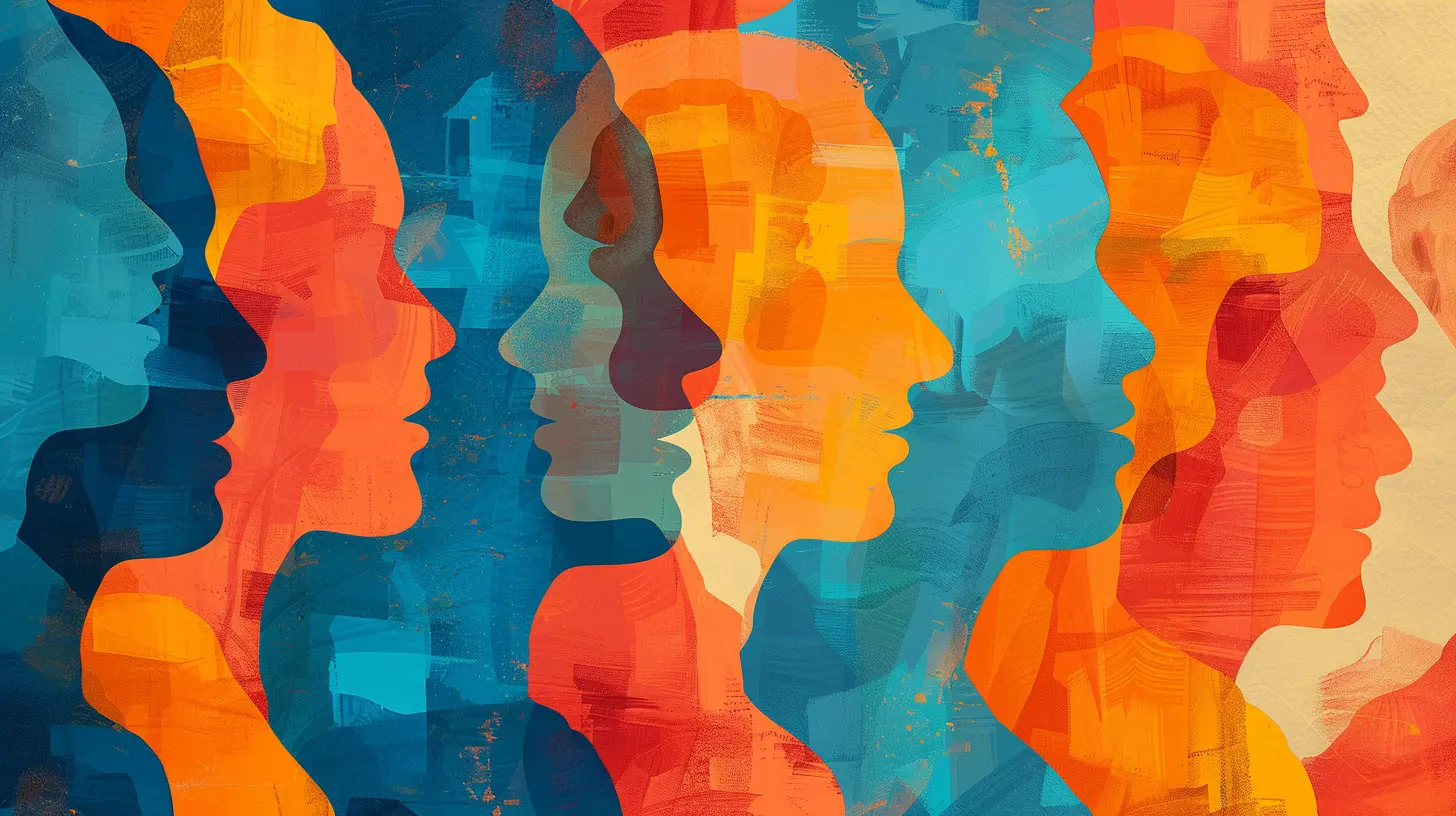
The Future of Fairness in Psychological Testing
The good news? Progress is happening. With growing awareness of these issues, psychologists and researchers are working to create assessments that are more inclusive and representative.Technology also plays a role—artificial intelligence and machine learning are being explored to analyze biases in tests and refine them for better fairness.
But at the end of the day, fairness in psychological assessments isn’t just about algorithms or data. It’s about people. When we ensure that assessments are fair, we’re not just improving tests—we’re improving lives.
Final Thoughts
Fairness in psychological assessments is essential for ethical and accurate evaluations. Whether in education, mental health, or employment, these assessments influence real-world decisions. By actively identifying biases and implementing strategies to create more inclusive, culturally appropriate tools, we can move toward a future where everyone has a fair shot—no matter their background.The key takeaway? Psychological assessments should be like a well-fitting shoe—designed to fit everyone comfortably, not just a select few.
all images in this post were generated using AI tools
Category:
Psychological AssessmentAuthor:
Christine Carter
Discussion
rate this article
2 comments
Zina Hines
This article raises important questions about fairness in psychological assessments. It's fascinating to think about how cultural differences can affect outcomes. I'm eager to learn more about innovative approaches that truly reflect diverse perspectives.
July 6, 2026 at 2:56 PM
Christine Carter
Thank you for your thoughtful comment. I agree that understanding cultural differences is crucial for fairness in assessments. I'm excited to explore innovative approaches that can address these challenges.
Castillo
Fairness in psychological assessments isn't just a need—it's a non-negotiable imperative. We must confront biases head-on, push for rigorous inclusivity in testing methods, and hold ourselves accountable. Anything less perpetuates systemic inequality and undermines the integrity of our field. Enough is enough!
April 8, 2026 at 3:22 PM
Christine Carter
I completely agree. Addressing bias and ensuring inclusivity are crucial for the integrity of psychological assessments. It's time for real action.