Unpacking the Psychology of Organized vs. Disorganized Crimes
11 February 2026
When you hear the word “crime,” what pops into your mind? Maybe a slick heist pulled off by a crew wearing ski masks. Or maybe it's something more chaotic—a crime scene riddled with random violence and little rhyme or reason. Both are extreme sides of the same spectrum. But here's the fascinating part: there's actual psychology behind how crimes are committed. Welcome to the world of organized vs. disorganized crimes.
This isn’t just a CSI episode come to life—this is deep, real-world psychology. So, let’s roll up our sleeves and dive into how the human mind can influence criminal behavior, and why understanding the difference between these two crime types matters more than you might think.
What Do We Mean by "Organized" and "Disorganized" Crimes?
Let’s start at the beginning. In forensic psychology, crimes are often categorized into two major types: organized and disorganized. These categories help law enforcement agencies understand not just what happened, but who may have done it—and why.Organized Crimes: Calculated and Methodical
Think of organized crime like a chess game. Every move is planned. There's a clear goal, and the criminal usually has a pretty solid Plan A, B...and maybe even C. These crimes are often premeditated—meaning, they're thought out in advance.Some key traits of organized crimes:
- Planned ahead of time
- Little to no evidence left behind
- Weapons brought to the scene
- Victims often targeted and not random
- Offender may have social skills and appears "normal"
This type of offender might live what seems to be a “normal” life. They hold down a job, smile at the neighbors, maybe even have a family. But underneath the surface? There's a darker narrative being carefully hidden.
Disorganized Crimes: Chaotic and Impulsive
Now imagine the total opposite. Disorganized crimes are more like a burst pipe—messy, sudden, and without structure. These crimes are usually impulsive. The offender doesn’t plan—it’s all raw emotions and urges.Traits of disorganized crimes typically include:
- Little to no planning
- Messy, chaotic crime scene
- Evidence often left behind
- Use of objects available at the scene
- Victims may be chosen randomly
Disorganized offenders might struggle with mental health issues or substance abuse and often appear socially awkward or isolated. Their crimes are usually frenzied and violent without a clear endgame.
The Psychology Behind Organized Criminals
Let’s zoom in on the mind of an organized criminal. What drives someone to plan everything so neatly when doing something so morally wrong?Control and Power
These individuals usually have a strong need for control. They might’ve grown up in environments where they had no say, and now they’re taking that control back in terribly destructive ways.They’re often manipulative and may even enjoy the psychological cat-and-mouse game with law enforcement. Some even insert themselves into investigations—which is as creepy as it sounds.
Social Skills and Charm
Organized criminals can sometimes fly under the radar because they tend to be articulate and socially competent. Think of Ted Bundy—he was charismatic and charming, yet behind that mask, he was one of the most notorious serial killers in history.They understand people, which makes them more dangerous. They blend in by choice, and that makes their crimes harder to detect.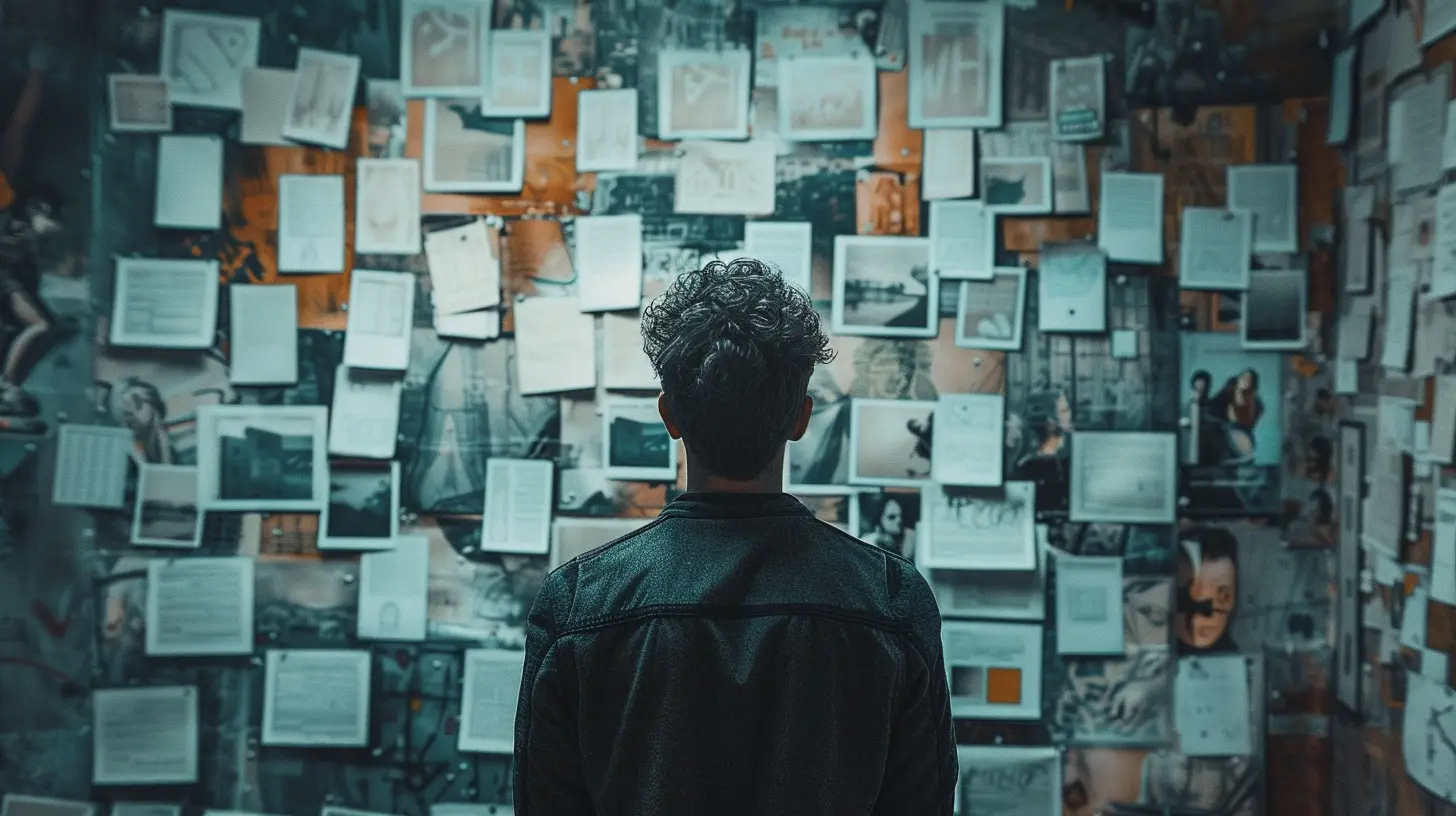
Inside the Mind of Disorganized Criminals
Now let’s look at the other side of the coin.Acting on Impulse
Disorganized criminals often act without thinking. Their behavior is reactionary—fueled by strong emotions like rage, fear, or even psychosis. The crime might be their way of “lashing out” when they feel cornered or overwhelmed.Mental Health and Instability
Many disorganized offenders suffer from severe psychological issues. Some might be dealing with untreated schizophrenia or other disorders that seriously impact their perception of reality. They may not even fully understand what they’ve done afterward.While that doesn’t excuse the crime, it does shift the understanding from evil mastermind to deeply troubled individual.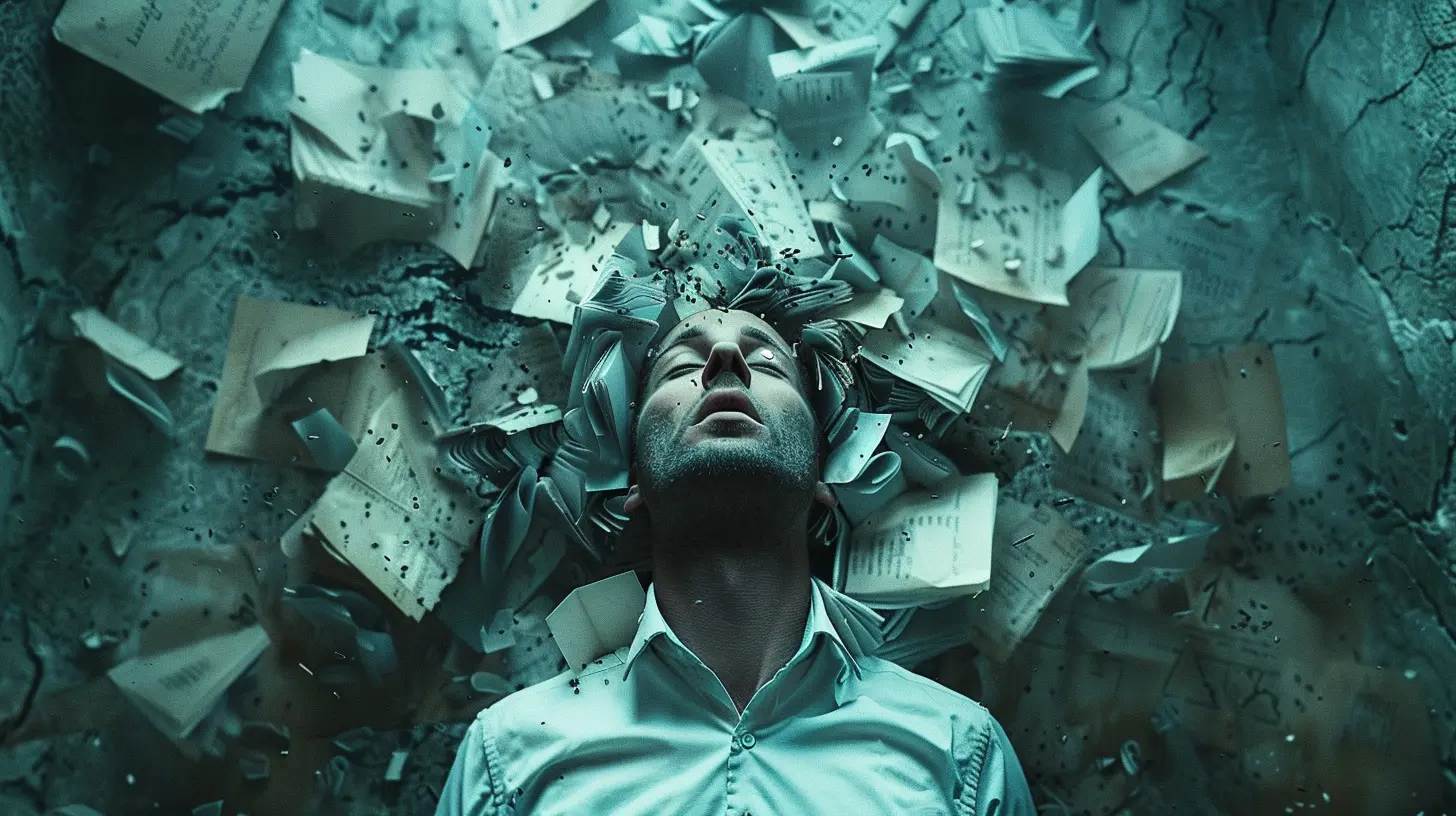
Organized and Disorganized: It’s a Spectrum, Not a Box
Here’s a wake-up call—very few criminals fit perfectly into one category. Real life is messier than that.Criminologists often talk about a continuum rather than a strict binary. Some offenders show traits of both. For example, someone might plan a crime but then panic at the last minute and flee the scene chaotically. So labeling helps, but it’s not one-size-fits-all.
How Profiling Uses These Categories to Catch Criminals
Behavioral profiling, used by the FBI and other agencies, banks heavily on these categories when trying to identify unknown criminals.The Birth of the Profile
The idea of organized vs. disorganized crimes helped birth modern criminal profiling back in the 1970s. By analyzing patterns, investigators could start painting mental sketches of offenders. For example:- If a crime scene looks tidy and staged? You're probably dealing with someone intelligent and calculated.
- If it looks like chaos exploded? You're likely looking at an emotionally disturbed person with low impulse control.
This kind of profiling helps narrow down suspects and can bring much-needed insight into ongoing investigations.
Real-World Cases: The Theory in Action
The Zodiac Killer (Organized Traits)
The Zodiac Killer, active during the late '60s and early '70s, taunted police with coded letters and precise clues. Though never caught, the killer exhibited major organized traits. He planned, selected victims, and managed to evade the authorities for years.Richard Chase (Disorganized Traits)
In stark contrast, Richard Chase, also known as the "Vampire of Sacramento," displayed classic disorganized behavior. Suffering from schizophrenia, his crimes were gruesome, impulsive, and deeply disturbing. There was no cover-up, no attempt to hide evidence.These cases offer textbook examples of how drastically criminal behaviors—and their psychological roots—can differ.
Childhood and Environment: Where the Patterns Begin
You've probably heard the phrase “nature vs. nurture” more times than you can count. When it comes to criminal behavior, both play a role.For Organized Offenders
Their early environments might have included:- Emotional neglect
- Exposure to manipulation or control
- Pressure to succeed or appear perfect
From these roots, they learn to suppress emotions and wear masks, using charm and control as tools.
For Disorganized Offenders
Their backgrounds often involve:- Physical or sexual abuse
- Mental illness in the family
- Lack of structure or constant instability
They may never learn emotional regulation, making them more susceptible to impulsivity and irrational behavior.
Implications for Law Enforcement and Society
Understanding the psychology behind these crime types isn’t just interesting—it has real-world impact.Why It Matters
When law enforcement can identify whether a suspect is organized or disorganized, they can adjust their investigation strategy. They can:- Predict future behavior
- Understand motive
- Set traps or plan interrogations accordingly
Even in the court of law, psychological assessments based on these categories can impact sentencing or mental health treatment mandates.
Media and Misunderstandings
TV shows often blur the lines between organized and disorganized crime for dramatic effect. But in real life, it’s not that black-and-white.The problem? When people start believing all criminals are evil geniuses or insane lunatics, we lose the nuance. And that nuance is key to prevention, intervention, and rehabilitation.
Can Organized or Disorganized Traits Be Changed?
Good question. Criminal behavior, especially when tied to deep psychological issues, is complex. But yes—intervention can make a difference.For disorganized individuals, therapy and medication can stabilize behavior. For organized offenders, deeper cognitive behavioral therapy and accountability structures might help address control issues and moral disconnect.
Final Thoughts: Why This Matters to You
Even if you're not a criminologist or in law enforcement, understanding the psychology of organized vs. disorganized crimes opens up a new way of thinking. It helps us see that:- Not all criminals are the same.
- Crime is often a symptom of deeper psychological issues.
- Early intervention can change lives.
So next time you read about a crime in the news, take a moment. Think beyond the act. Try to understand the mindset. Understanding is the first step toward a safer, more empathetic society.
all images in this post were generated using AI tools
Category:
Forensic PsychologyAuthor:

Christine Carter
Discussion
rate this article
2 comments
Solenne McPhail
Thought-provoking insights on motivation.
March 10, 2026 at 4:28 AM
Christine Carter
Thank you! I'm glad you found the insights valuable. Motivation plays a crucial role in understanding both organized and disorganized crimes.
Selina McCarron
This article sheds light on the complexities of criminal behavior, helping us understand the motivations behind organized and disorganized crimes with compassion.
February 18, 2026 at 5:39 AM
Christine Carter
Thank you for your insightful comment! I'm glad you found the article helpful in understanding the complexities of criminal behavior.