Understanding the Silent Struggle: A Deep Dive into Mood Disorders
9 July 2026
When was the last time you felt a little off? Maybe you had a bad day, or maybe you woke up on the wrong side of the bed. We all have days where our mood isn't exactly where we want it to be. But for some people, it's not just a bad day—it's an ongoing battle that happens inside their minds. This battle often comes in the form of mood disorders, which can be a silent struggle that affects daily life in profound ways.
In this article, we’re going to dive deep into the world of mood disorders, explore what they are, how they manifest, and, most importantly, how we can better understand and support those who live with them. So, let’s get started!
What Are Mood Disorders?
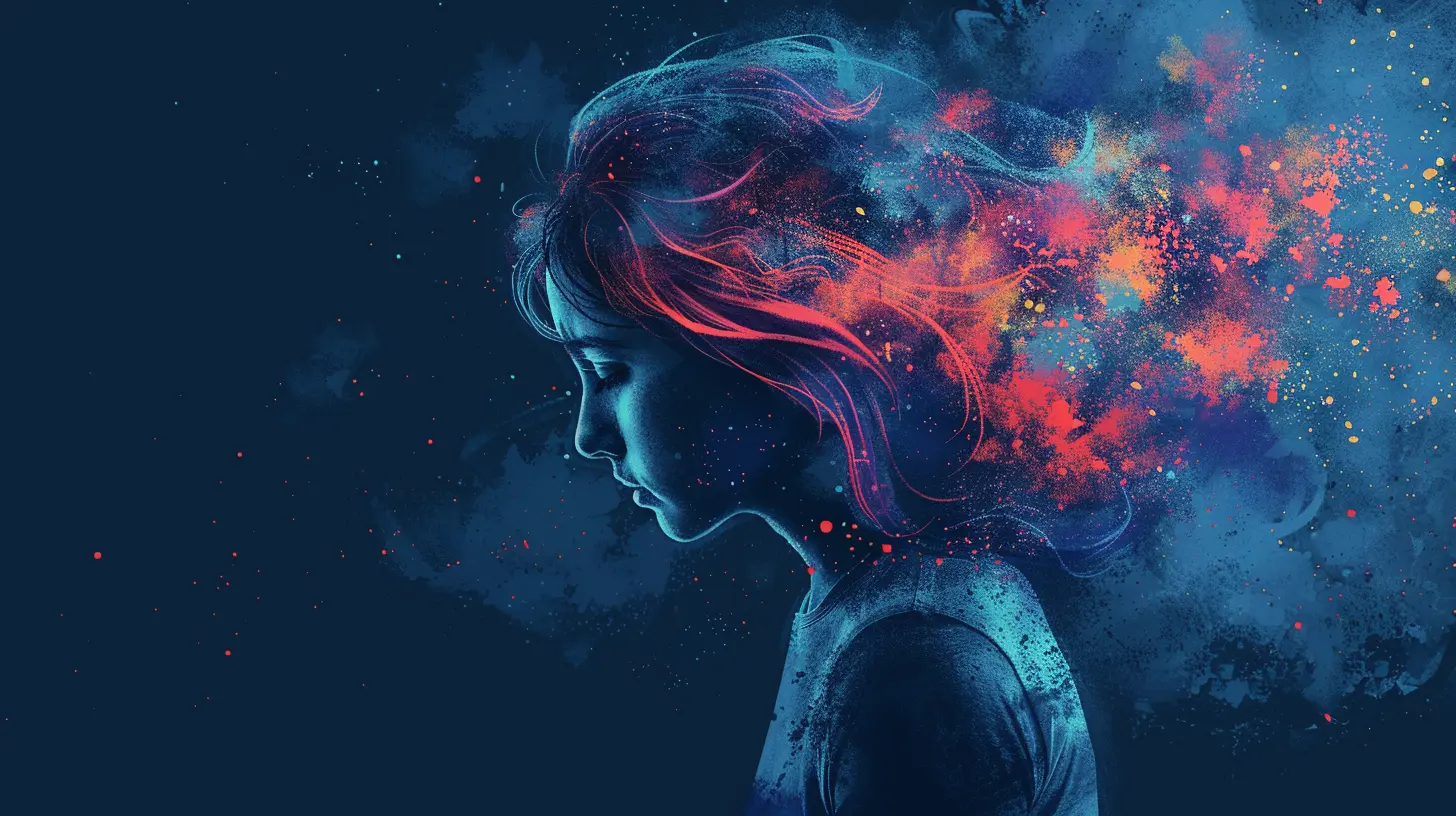
Before we get too deep, let’s start with the basics. What exactly are mood disorders?Mood disorders are a type of mental health condition that primarily affects a person’s emotional state. This means that they can cause severe changes in mood, from extreme highs (like mania) to extreme lows (like depression). These shifts aren't just mood swings—they’re much more intense and can last for extended periods, sometimes even affecting a person's ability to function in daily life.
Common Types of Mood Disorders
Mood disorders come in different forms, and while they share some similarities, each has its own unique characteristics. Let’s break down a few of the most common ones:1. Major Depressive Disorder (MDD)
Also known simply as depression, this is one of the most common mood disorders. People with major depressive disorder experience persistent feelings of sadness, hopelessness, and a lack of interest in activities they once enjoyed. It’s more than just feeling "down"—depression can affect everything from sleep to energy levels, appetite, and even the ability to concentrate.2. Bipolar Disorder
Bipolar disorder is characterized by extreme mood swings that include emotional highs (mania or hypomania) and lows (depression). These mood episodes can last days, weeks, or even months. In the manic phase, individuals might feel overly energetic, euphoric, or irritable. In contrast, during the depressive phase, they may feel hopeless or overwhelmingly sad.3. Dysthymia (Persistent Depressive Disorder)
Dysthymia is like a less intense but longer-lasting form of depression. People with this condition experience chronic low-grade depression that lasts for at least two years. While the symptoms might not seem as severe as major depressive disorder, the constant feeling of sadness or emptiness can still significantly impact a person’s quality of life.4. Cyclothymic Disorder
Cyclothymia is like a milder form of bipolar disorder. Individuals experience periods of hypomania (a less severe form of mania) and mild depression. These mood swings are less extreme than those seen in bipolar disorder but are still disruptive and can affect relationships, work, and daily activities.5. Seasonal Affective Disorder (SAD)
Ever feel down in the winter months? For some people, that’s more than just a case of the "winter blues." Seasonal affective disorder is a type of depression that occurs at the same time every year, usually during the fall and winter months when there’s less sunlight. People with SAD may experience symptoms like low energy, oversleeping, and changes in appetite.
What Causes Mood Disorders?
One of the most challenging aspects of mood disorders is that there’s no single cause. Instead, they’re likely the result of a complex combination of factors, including:1. Genetics
Mood disorders tend to run in families, suggesting that genetics play a significant role. If you have a close relative with a mood disorder, your chances of having one are higher. However, genetics alone don’t guarantee that someone will develop a mood disorder—it’s just one piece of the puzzle.2. Chemical Imbalances in the Brain
Our brains are finely tuned machines, and they rely on a delicate balance of chemicals (also known as neurotransmitters) to regulate mood. When this balance is disrupted, it can lead to mood disorders. For example, low levels of serotonin, a neurotransmitter that affects mood and well-being, have been linked to depression.3. Environmental Factors
Life experiences can also play a role in the development of mood disorders. Traumatic events, stress, abuse, or the death of a loved one can trigger or worsen mood disorders. Additionally, a lack of social support or chronic stress can exacerbate symptoms.4. Personality Traits
Certain personality traits, such as being overly self-critical or having low self-esteem, can make someone more vulnerable to mood disorders. While personality alone doesn’t cause these conditions, it can influence how someone copes with stress or negative emotions.
How Mood Disorders Affect Daily Life
Mood disorders don’t just affect how someone feels—they can have a profound impact on nearly every aspect of a person’s life. Let’s explore how these disorders manifest in day-to-day activities:1. Relationships
Mood disorders can strain relationships, both romantic and platonic. For example, people with depression may withdraw from loved ones, while those with bipolar disorder may act impulsively during manic episodes. This can lead to misunderstandings, frustration, and even the breakdown of relationships.2. Work and Productivity
Mood disorders can make it difficult to concentrate, stay motivated, or even get out of bed in the morning. This can affect job performance, attendance, and overall productivity. In some cases, people with severe mood disorders may need to take extended time off work to focus on their mental health.3. Physical Health
It’s easy to forget how closely our mental and physical health are connected. Mood disorders can lead to physical symptoms like headaches, fatigue, and changes in appetite or sleep patterns. Over time, these symptoms can contribute to more serious health issues, such as heart disease or a weakened immune system.4. Self-Worth and Identity
Living with a mood disorder can take a toll on a person’s self-esteem. They may feel like they’re a burden to others or that they’re "broken" in some way. This can lead to feelings of shame, isolation, and hopelessness, which only serve to deepen the cycle of the disorder.
Treatment Options for Mood Disorders
The good news? Mood disorders are treatable. While there’s no one-size-fits-all solution, a combination of approaches can help people manage their symptoms and live fulfilling lives. Here are some of the most common treatment options:1. Therapy
Talk therapy (also known as psychotherapy) is one of the most effective treatments for mood disorders. Cognitive-behavioral therapy (CBT), for example, helps people identify and change negative thought patterns that contribute to mood disorders. Other forms of therapy, such as interpersonal therapy (IPT) or dialectical behavior therapy (DBT), can also be helpful.2. Medication
In many cases, medication can help regulate the chemical imbalances in the brain that contribute to mood disorders. Antidepressants, mood stabilizers, and antipsychotic medications are often prescribed to help manage symptoms. However, finding the right medication can take time, and it’s important to work closely with a healthcare provider to determine what works best.3. Lifestyle Changes
Sometimes, small changes in daily habits can have a big impact on mood. Regular exercise, a balanced diet, and getting enough sleep can help improve overall mental health. Additionally, reducing stress through mindfulness practices like meditation or yoga can also be beneficial.4. Support Systems
Having a strong support system is crucial for managing mood disorders. This can include friends, family, support groups, or mental health professionals. Simply having someone to talk to can make a world of difference.The Stigma Surrounding Mood Disorders
Despite the progress we’ve made in understanding mental health, there’s still a lot of stigma surrounding mood disorders. Unfortunately, this stigma can prevent people from seeking help or even acknowledging that they have a problem. Some common misconceptions include thinking that mood disorders are a sign of weakness or that people can simply "snap out of it."But mood disorders are not a choice, and they’re certainly not a reflection of someone’s character. Just like physical illnesses, mood disorders require proper treatment and care. By continuing to educate ourselves and others, we can help break down the stigma and create a more supportive environment for those who struggle with these conditions.
Conclusion: Breaking the Silence
Mood disorders can be an invisible battle, but that doesn’t mean we can’t talk about them. In fact, the more we understand these conditions, the better equipped we are to help those who are struggling. Whether it’s through offering support, advocating for mental health awareness, or simply educating ourselves, we can all play a role in breaking the silence surrounding mood disorders.If you or someone you know is struggling with a mood disorder, know that help is available. You’re not alone in this journey, and with the right tools and support, it’s possible to manage these conditions and live a fulfilling life.
all images in this post were generated using AI tools
Category:
Mood DisordersAuthor:

Christine Carter
Discussion
rate this article
1 comments
Jacob McKinnon
Mood disorders are the silent agitators of the mind. Let's stop whispering about them and start shouting for understanding... and help!
July 10, 2026 at 4:39 PM
Christine Carter
I completely agree. Open conversations about mood disorders are crucial for breaking stigma and fostering support. Let's amplify awareness together.