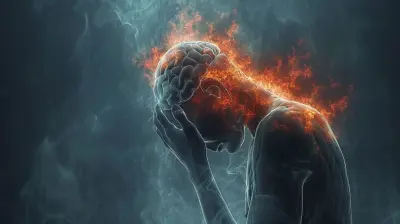
Understanding Suicidal Thoughts in Mood Disorders
10 August 2026
Suicide is one of those deeply uncomfortable topics we often tiptoe around — but we shouldn’t. Especially when it comes to mood disorders, suicidal thoughts can creep in like a storm on a sunny day. They come unannounced, unwelcome, and all too often, unnoticed. Let’s talk about it. Let’s break the silence, the stigma, and the confusion.
In this article, we're going to dig deep into the world of mood disorders and how they intertwine with suicidal thoughts. No sugarcoating. Just honest, straightforward talk to help you understand what’s really going on, whether you're struggling yourself or trying to support someone else.
What Are Mood Disorders, Anyway?
Mood disorders are more than just feeling “off” for a couple of days. They’re mental health conditions that deeply affect a person’s emotional state over a long period. They mess with your mood, energy levels, motivation, and overall view of life.The Big Players in the Mood Disorder Family:
- Depression (Major Depressive Disorder) – Persistent sadness, low energy, and a heavy cloud that just won’t lift.- Bipolar Disorder – Extreme mood swings ranging from the highs of mania to the lows of depression.
- Dysthymia (Persistent Depressive Disorder) – A long-term, less intense form of depression.
- Cyclothymic Disorder – Milder mood swings that still disrupt life.
These disorders don’t just make people “sad” or “moody.” They can completely alter a person’s perception of reality and themselves. And that’s where suicidal thoughts come in.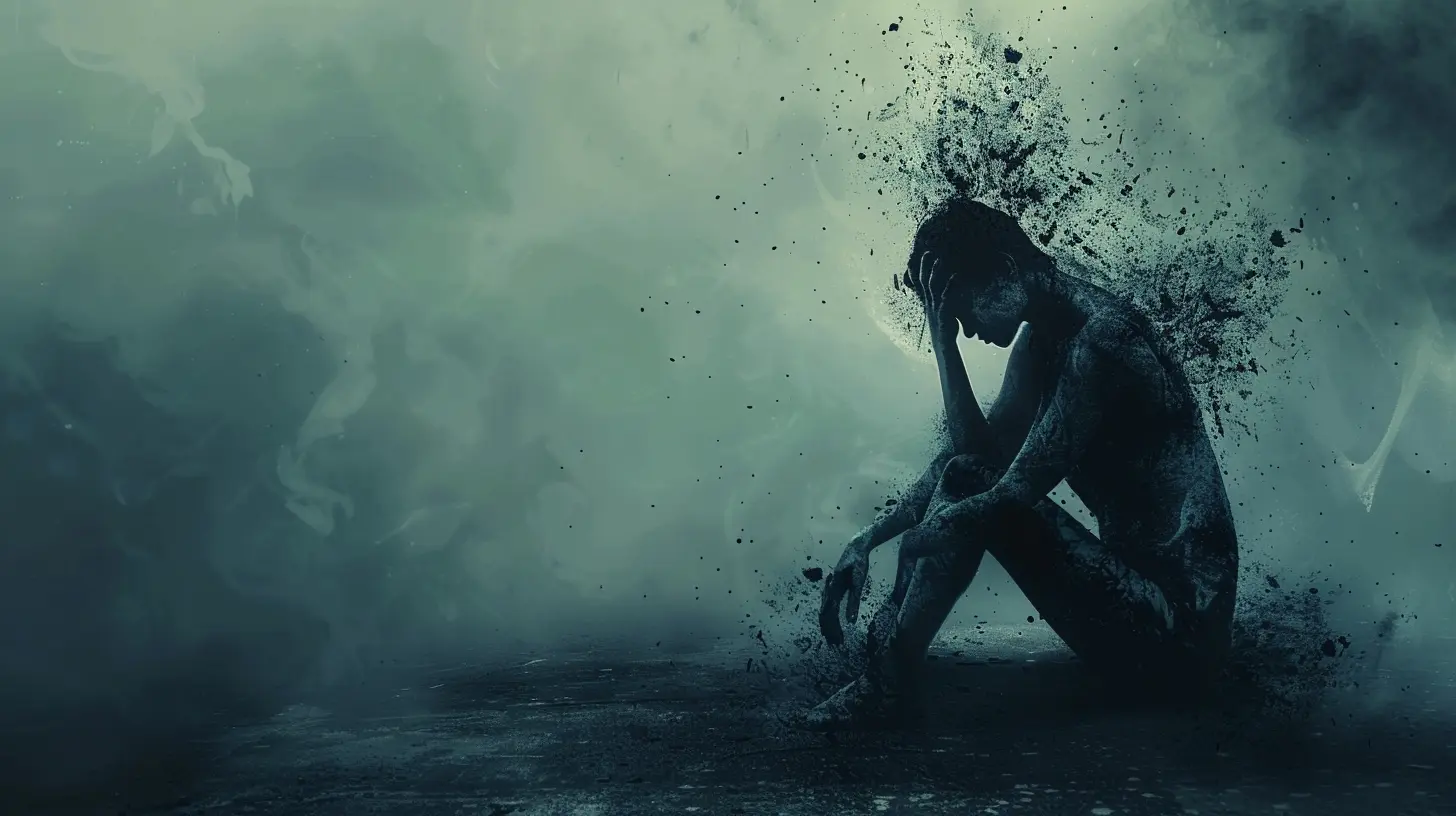
Suicidal Thoughts: The Dark Passenger of Mood Disorders
Suicidal thoughts (also called suicidal ideation) aren't just fleeting moments of “I wish I wasn’t here.” They can evolve into planned, serious considerations, and in severe cases, actions. In mood disorders, these thoughts often come from a place of deep emotional pain, hopelessness, and the belief that things will never get better.Here’s the thing: suicidal thoughts don’t mean someone is weak. They mean someone is suffering.
Common Suicidal Thoughts in Mood Disorders:
- “Everyone would be better off without me.”- “I can’t go on like this.”
- “I’m a burden.”
- “There’s no way out.”
Sound familiar? If you’ve thought or heard someone say these, they’re alarm bells — not just emotional noise.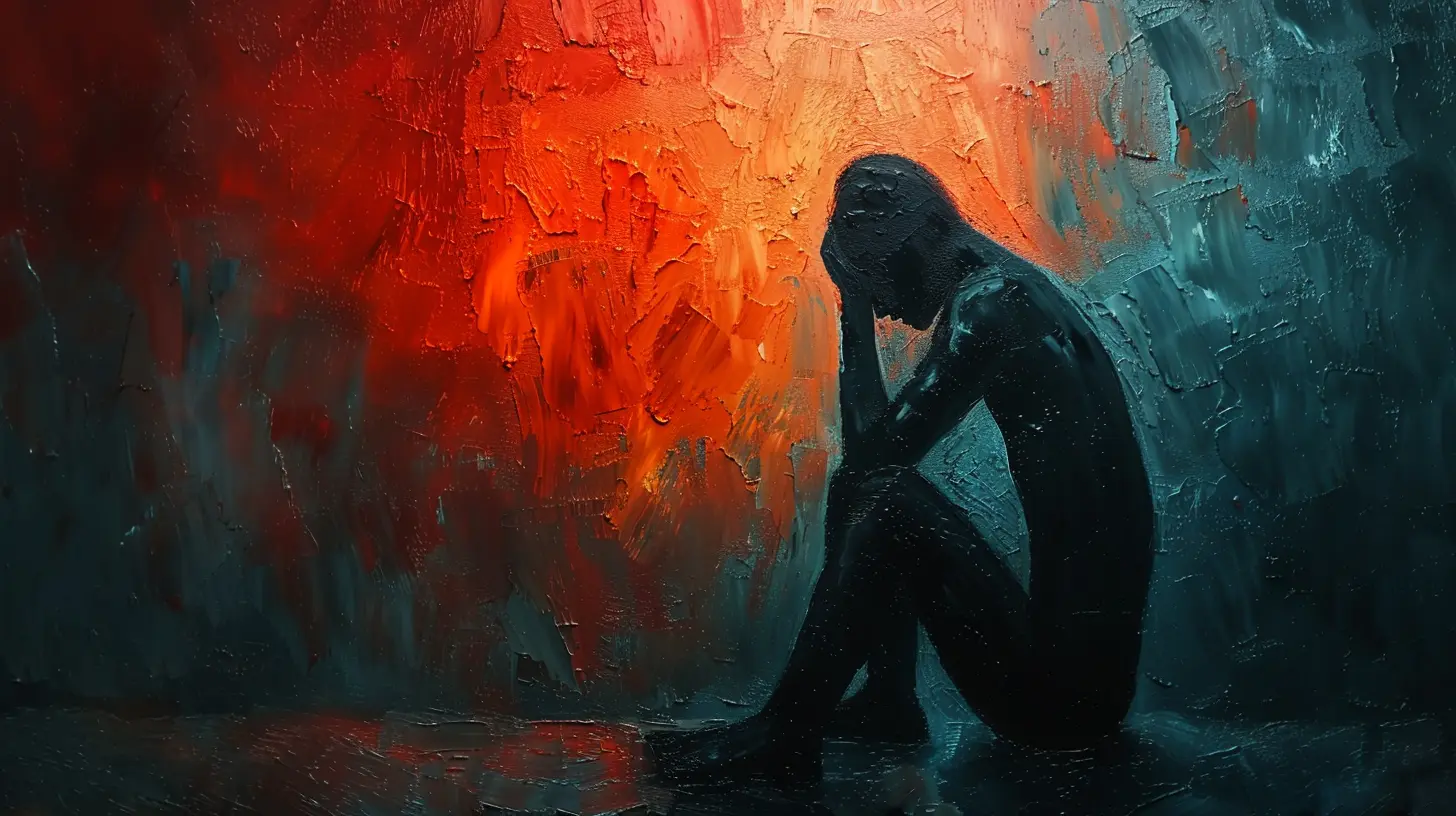
Why Mood Disorders Trigger These Thoughts
Let’s get real: living with a mood disorder is exhausting. Every day can feel like moving through molasses with a backpack full of bricks. When your brain tells you over and over that things will never improve — eventually, you might start believing it.The Brain’s Role in All This
Mood disorders mess with brain chemistry. We’re talking about key players like serotonin, dopamine, and norepinephrine. These chemicals regulate mood, motivation, and even decision-making. When they’re out of whack, everything seems darker than it really is.Also, the brain's “alarm system” — the amygdala — tends to go into overdrive, reacting more to stress and negativity. Combine that with impaired judgment from the prefrontal cortex (yeah, that’s the rational-thinking part), and you’ve got a recipe for dangerous thought patterns.
Life Stressors Add Fuel to the Fire
Let’s not forget everyday stressors — loss, trauma, financial problems, toxic relationships, job issues — that can push someone already struggling with a mood disorder even closer to the edge.
Warning Signs You Shouldn’t Ignore
Spotting the signs of suicidal thoughts isn't always easy. People don’t always come right out and say, “I’m thinking about ending my life.” Often, their behavior speaks louder than words.Red Flags to Watch For:
- Talking about death or suicide, even jokingly- Withdrawing from friends, family, or activities
- Sudden mood improvement after a long depressive episode (this can be a warning – they may have made a plan)
- Giving away possessions or making a will
- Increased substance use
- Expressing feelings of hopelessness or worthlessness
If any of these sound familiar, it’s time to stop reading and reach out.
How to Support Someone Thinking About Suicide
You don’t need a psychology degree to help someone in crisis. But you do need compassion, patience, and the courage to have the hard conversations.Start with Listening
Don’t try to “fix” them. Just listen. Let them know they’re heard and that their feelings are valid — even if they don’t make sense to you.Say things like:
- “I'm here for you.”
- “You don’t have to go through this alone.”
- “Let’s talk. I care about you.”
Ask the Hard Question
Yes, it’s scary — but asking directly is powerful.➡️ “Are you thinking about suicide?”
This doesn’t put the idea in their head. Trust me, if they’re already there, talking about it can be a relief.
Encourage Professional Help
Therapists, psychiatrists, crisis hotlines — they’re trained for this. Offer to help make appointments or go with them.In the U.S., the 988 Suicide & Crisis Lifeline is available 24/7. Just dial 988.
If You’re the One Struggling
Let’s stop pretending you need to “tough it out.” Believe me, mental pain is real. Just because you can’t see it on an X-ray doesn’t mean it doesn’t hurt.Let’s call it what it is: you're in pain, and your brain is lying to you. Depression and other mood disorders distort reality. They make you believe the worst about yourself and your future.
You Are Not a Burden
Write that down. Tattoo it on your brain. You are NOT a burden. Mood disorders try to convince you you’re dragging everyone down, but the truth? People love you and want you around — even if you don’t feel it right now.You’re Not Alone. Seriously.
It might feel like you’re stuck in a tunnel with no exit. But there’s light — and there’s help. Therapy, medication, support groups, friends, even strangers on helplines. Someone is always, always ready to listen.Make one small move. Text a friend. Call a helpline. Open up to your doctor. Just do one thing — then the next small thing.
Treatment: A Light at the End of the Tunnel
It’s not all doom and gloom. There’s hope, and there’s help. Managing mood disorders and suicidal thoughts is absolutely possible with the right support.Therapy
- CBT (Cognitive Behavioral Therapy): Helps retrain thought patterns.- DBT (Dialectical Behavior Therapy): Especially effective for suicidal ideation and emotional regulation.
- Psychodynamic Therapy: Digs deeper into root causes and patterns.
Medication
Antidepressants, mood stabilizers, and antipsychotics can work wonders — but finding the right one is like dating. It might take a few tries before the match clicks.Lifestyle Adjustments (Yep, They Matter!)
- Regular exercise (even walks help)- A consistent sleep schedule
- Reducing alcohol and drug use
- Eating nourishing food
- Creating a support network
Real Talk: The Power of Recovery Stories
Sometimes, the most powerful thing isn’t research — it’s real stories from real people. People who were once in that dark place but found their way out.Online forums, support groups, YouTube documentaries — they’re full of stories that might help you feel a little less alone. Recovery might look different for everyone, but hope is the common thread.
If you’re thinking about giving up, borrow someone else’s hope until you can find your own again.
Let’s Keep the Conversation Going
Mental health doesn't improve by ignoring it. It gets better when we talk about it — messy, raw, honest talk. When we support each other. When we admit that we're not okay and ask for help.If you or someone you know is struggling with suicidal thoughts due to a mood disorder, don’t wait. Get help. You are not alone. You are not broken. You are human.
And being human means you matter.
Final Thoughts
Understanding suicidal thoughts in mood disorders means acknowledging that these are not “phases” or “attention-seeking” moments. They are signs of deep emotional pain that need attention, compassion, and professional care.So let’s drop the filters and show up — for ourselves and each other. Because behind every struggle is a story worth saving.
all images in this post were generated using AI tools
Category:
Mood DisordersAuthor:

Christine Carter
Discussion
rate this article
1 comments
Aleta McGuffin
Important topic; awareness is key.
August 13, 2026 at 4:24 AM