The Role of Emotional Intelligence in Lasting Love
17 March 2026
Love is a beautiful, messy, complicated thing. It can make your heart race, your palms sweat, and your world feel like it's spinning in the best way possible. But here’s the truth—love alone isn’t always enough to make a relationship last. So, what keeps couples together through thick and thin, through silent dinners and loud arguments, through life’s ups and downs?
It’s emotional intelligence.
Now, before you roll your eyes and scroll away, hear me out. Emotional intelligence (EI) isn't just a buzzword tossed around by psychologists and life coaches. It’s the secret sauce—the behind-the-scenes magic—that helps relationships not just survive but thrive.
Let’s peel back the layers and dive deep into understanding exactly how emotional intelligence plays a pivotal role in building lasting love.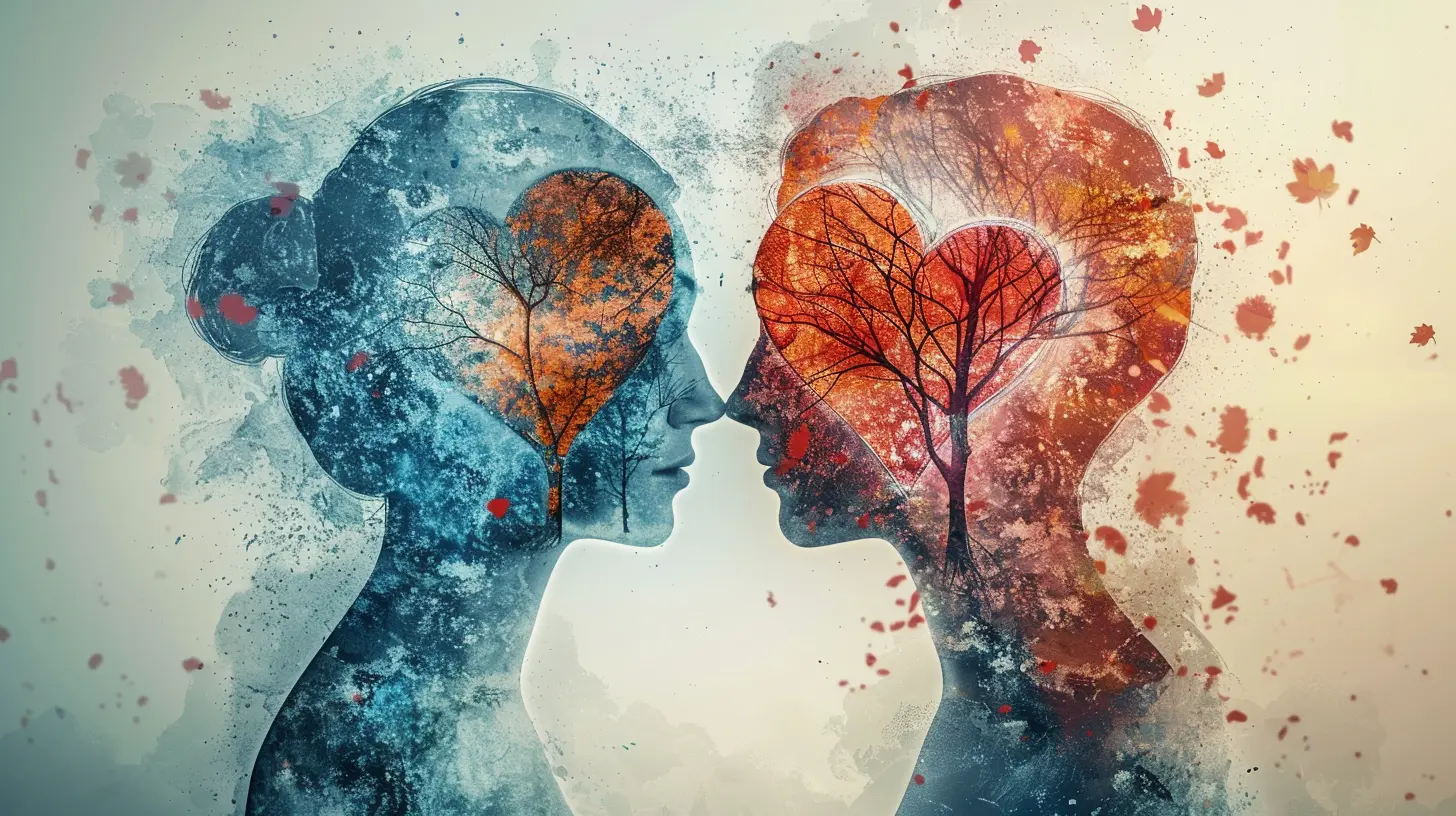
What is Emotional Intelligence Anyway?
Okay, let's break it down. Emotional intelligence is the ability to recognize, understand, control, and express your emotions while also being in tune with the emotions of others.Think of it like being the DJ at a party—you need to read the room, adjust the vibe, and keep the energy flowing. You don’t just blast your favorite playlist and ignore the crowd. Relationships are a lot like that. And honestly, being emotionally intelligent makes you the kind of partner people want around.
EI has five main components:
1. Self-awareness – knowing what you're feeling and why.
2. Self-regulation – managing your reactions (not snapping when you're angry, for example).
3. Motivation – staying focused on long-term goals (like a happy, healthy relationship).
4. Empathy – understanding how your partner feels.
5. Social skills – communicating effectively and resolving conflicts.
Sounds important, right? That’s because it is.
Why Love Without Emotional Intelligence Isn’t Enough
Let’s be real here—love might bring people together, but it doesn't always keep them together. You’ve probably seen couples who were madly in love break up because they “couldn’t make it work.” Often, what they were missing wasn’t love—it was emotional intelligence.When partners lack EI, small disagreements can explode into enormous fights. Misunderstandings run rampant. One partner feels unheard while the other feels attacked. Emotional needs go unmet. Resentment builds. And guess what? None of this happens because they’ve stopped loving each other. It’s because emotional intelligence didn’t set the foundation.
How Emotional Intelligence Strengthens Romance
1. It Improves Communication
You know that feeling when you're upset but can't quite put it into words? Or when your partner is distant, and you just don't know how to ask what's wrong?Emotional intelligence bridges that gap.
When you're emotionally intelligent, you can articulate your feelings more clearly. You can also listen—really listen—to your partner without jumping into defense mode. Miscommunication is one of the biggest relationship killers, and EI helps stomp it out before it gets toxic.
Example: Instead of saying, “You never listen to me,” a partner with high EI might say, “I feel like I’m not being heard right now, and that’s really frustrating for me.”
Big difference, right?
2. It Builds Empathy
Empathy is like relationship glue. It binds people together emotionally. An emotionally intelligent person can put themselves in their partner’s shoes.Did your partner snap at you after a long day? You could get mad… or recognize they’re stressed and offer support. That’s empathy in action.
And guess what? When people feel understood, they let their guard down. They trust more. They connect on a deeper level. All this keeps love alive and strong.
3. It Helps Manage Conflict
No couple on Earth is conflict-free. But the way you handle those fights? That’s where EI shines.Emotionally intelligent people don’t run from conflict, but they don’t throw gasoline on the fire either. They stay calm, focus on the issue—not the person—and look for solutions instead of scoring points.
This means fewer blowups and more breakthroughs.
4. It Encourages Vulnerability
Being vulnerable in love is scary. It’s like standing naked in the emotional spotlight. But it’s also where intimacy thrives.With emotional intelligence, you feel safe opening up. You’re not afraid to say, “I’m scared,” or “I need reassurance,” because you trust your partner won’t use that against you.
On the flip side, EI helps you respond with kindness when your partner is vulnerable. That mutual openness? It’s rocket fuel for lasting connection.
Emotional Intelligence Over Time: Keeping Love Alive
Here’s the thing about love—it changes.The honeymoon phase is fun, sure. Butterflies, late-night talks, spontaneous kisses. But what happens when real life kicks in? When jobs get stressful, kids come along, or health takes a turn?
That’s when emotional intelligence is more important than ever.
EI isn’t static—it grows over time. And the best relationships are the ones where both partners commit to growing it together.
They check in with each other. They notice when their partner is distant or down. They adapt. They evolve. They stay emotionally present no matter what life throws at them.
Developing Emotional Intelligence for a Stronger Relationship
So maybe you’re thinking, “Okay, emotional intelligence sounds great. But what if I’m not naturally good at it?”Good news—it’s a skill. Which means it can be learned, practiced, and improved.
Here’s how you can start:
1. Practice Self-Awareness
Check in with yourself daily. Ask, “What am I feeling right now? Why?” Journaling helps. Reflecting helps. The more you understand your own emotional landscape, the easier it is to share it with someone else.2. Respond, Don’t React
Ever say something in the heat of the moment you wish you could take back? We all have. But emotionally intelligent people learn to pause, breathe, and respond thoughtfully rather than reacting impulsively.That pause? It can save a lot of heartache.
3. Listen With Intent
Don’t just hear your partner—listen. Turn off distractions. Make eye contact. Ask follow-up questions. Validate their feelings.Sometimes, the best thing you can say is, “I hear you. That sounds really hard.”
4. Ask, Don’t Assume
If something feels off, ask. Don’t jump to conclusions. Don’t assume the worst.A simple, “How are you feeling?” can open doors.
5. Apologize and Forgive
High EI means knowing when you’ve messed up and being big enough to say, “I’m sorry.” It also means giving your partner grace when they slip.No one’s perfect. But emotionally intelligent couples don’t aim for perfection—they aim for understanding.
The Emotional Intelligence Love Loop
Think of emotional intelligence as a loop: The more you practice it, the more love grows. And the more love grows, the easier it becomes to practice EI.It’s a beautiful, endless cycle.
You become more in sync. More resilient. More connected.
And before you know it, you’re not just surviving a relationship—you’re thriving in it.
Emotional Intelligence and the Future of Love
We’re living in an era where emotional skills are finally getting the spotlight they deserve. In school, in the workplace, and—yes—in our relationships.The more we talk about emotional intelligence, the more we normalize asking for what we need, sharing our feelings, and supporting our partners with empathy and grace.
Imagine a world full of couples who don’t just love each other—but understand each other, communicate openly, and grow together emotionally.
That’s the kind of love that lasts.
Final Thoughts
Love is a journey, not a destination. And emotional intelligence is your compass.It won’t make your relationship perfect (nothing will), but it will make it stronger, deeper, and more fulfilling. With EI in your toolbox, you can navigate the wild twists and turns of life and still end up side by side with someone who gets you—and someone you deeply get in return.
So next time you think about what makes love last, remember—it’s not just about flowers, date nights, or butterflies.
It’s about empathy, communication, and emotional connection. That’s the real magic.
all images in this post were generated using AI tools
Category:
Psychology Of LoveAuthor:

Christine Carter
Discussion
rate this article
2 comments
Flora Gibson
This article insightfully highlights how emotional intelligence fosters deeper connections in relationships. By emphasizing empathy, self-awareness, and effective communication, it shows that couples who cultivate emotional intelligence are better equipped to navigate conflicts and understand each other's needs, ultimately leading to more fulfilling and enduring partnerships.
June 22, 2026 at 4:55 PM
Christine Carter
I'm glad you found the article insightful. Emotional intelligence truly is key to building stronger connections and navigating the complexities of relationships. Thanks for your thoughtful comment!
Astraea McWhorter
Emotional intelligence fosters deeper connections by enabling partners to understand, empathize, and communicate effectively. It transforms love from mere attraction into a resilient bond, nurturing growth and understanding through life's inevitable challenges.
March 18, 2026 at 6:01 AM
Christine Carter
Thank you for capturing the essence of emotional intelligence in relationships! Your insights highlight how empathy and effective communication truly strengthen love and resilience in the face of challenges.