Cognitive Dissonance and Social Media: Navigating Conflicting Information
30 June 2026
We’ve all been there. Scrolling through our feed, sipping morning coffee, when we suddenly spot a post that goes against everything we believe. Maybe it's a friend sharing a conspiracy theory we thought was long debunked. Or worse, it’s a trusted influencer pushing a viewpoint that clashes with our core values. Cue the internal tug-of-war. Should we ignore it, call it out, or... reevaluate our beliefs?
Welcome to the psychological roller coaster known as cognitive dissonance, made even more chaotic by the echo chamber that is social media. Let’s unpack this for what it really is—how our brains wrestle with conflicting information and why social platforms are the perfect breeding ground for mental discomfort.
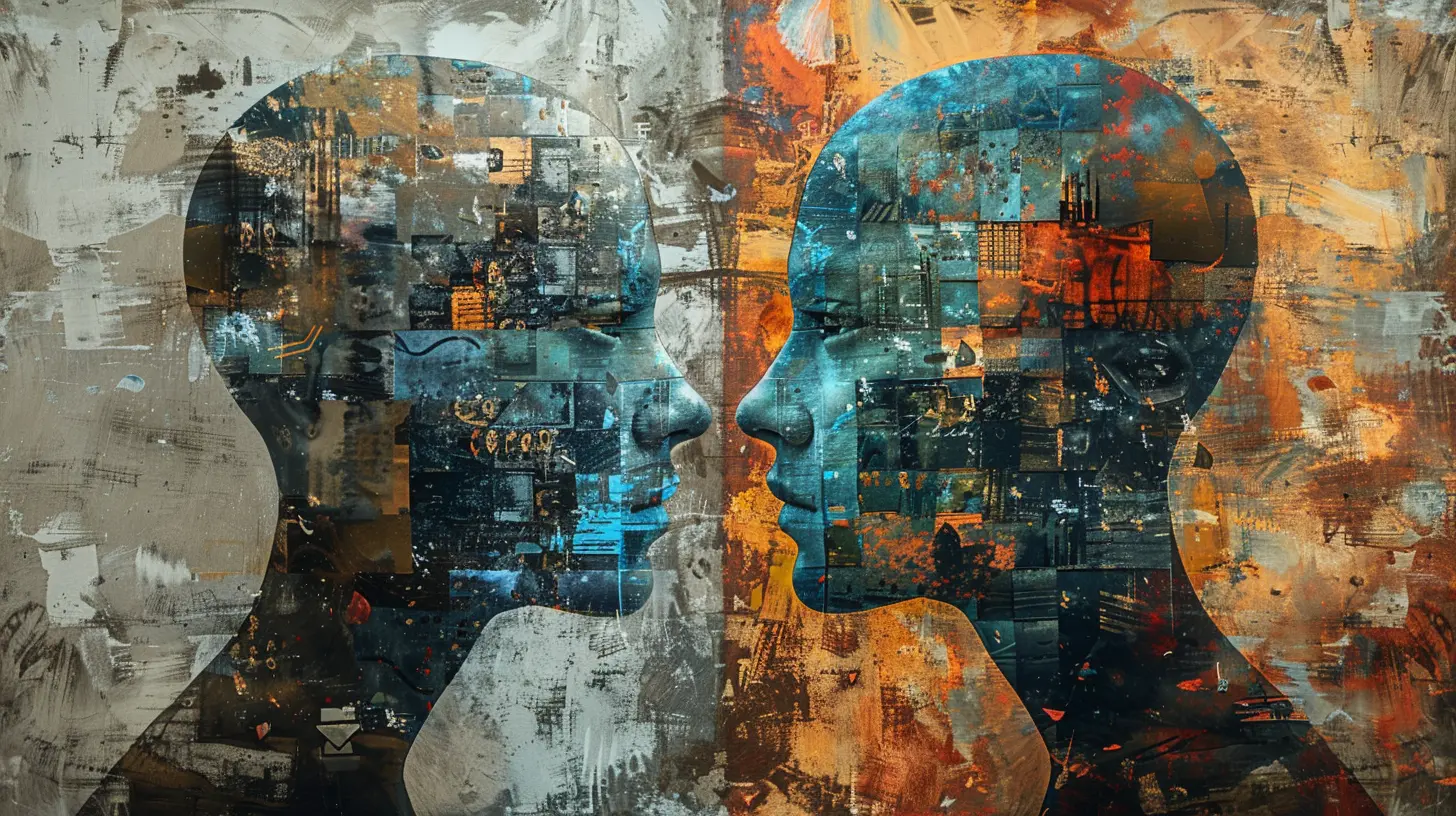
What Is Cognitive Dissonance Anyway?
Okay, let’s simplify it.Cognitive dissonance is that uncomfortable feeling you get when your thoughts, beliefs, or actions clash. Imagine your brain’s like a puzzle. When pieces don't fit, it gets annoyed—and so do you.
Say you're big on sustainability but then catch yourself ordering fast fashion because it’s trendy and cheap. Boom. Dissonance. Your beliefs and actions are out of sync, and your brain isn’t thrilled about it.
Psychologist Leon Festinger introduced this concept back in the 1950s. He basically said that we’re wired to crave consistency. When there’s a mismatch, we either change our behavior, alter our beliefs, or mentally justify what we did. Sounds familiar?

Why Social Media Supercharges Dissonance
Now throw social media into the mix.Facebook, TikTok, Instagram, Twitter—they're not just platforms to share memes and cat videos. They're complex ecosystems constantly throwing conflicting opinions, misinformation, and contradictions into our digital laps.
Let’s be real: When you scroll through Facebook and see half your friends post pro-vaccine content and the other half claim it’s a government ploy, it can get messy inside your head.
Social media essentially amplifies cognitive dissonance. Here's why:
- Information Overload: You're bombarded with articles, videos, tweets—all screaming different "truths."
- Echo Chambers: Algorithms feed you what you already believe, but sometimes sneak in contradicting views, creating tension.
- Identity Tied to Beliefs: Online, people often tie their identities to opinions. So when you're confronted with opposing views, it feels personal.
- Public Accountability: You've posted your views. Now, seeing counter-arguments forces you to either double down or backtrack—both uncomfortable.

Real-Life Examples You’ll Probably Relate To
1. The Diet Dilemma
You follow a bunch of influencers for clean eating tips. Then, one day, a favorite influencer shares a post praising fast food for its affordability and accessibility. You're torn. You've preached against junk food, but that argument made sense. Welcome to dissonance.2. The Eco-Warrior’s Slip
You’re into zero waste and plastic-free living. Still, that Amazon Prime delivery with bubble wrap was just too convenient. You feel guilty, anxious even. That’s cognitive dissonance hitting hard.3. Political Ping-Pong
You're a moderate, trying to understand both sides. But when friends on social media keep posting extreme views, you start questioning your stance. Should you pick a side or stay neutral? The internal debate is exhausting.
How We Usually Deal With It (Hint: Sometimes Not Well)
When we experience cognitive dissonance, our brain instantly looks for a way to reduce the discomfort. That usually happens in a few ways:1. Denial or Avoidance
Many of us just hit the mute or block button. Out of sight, out of mind, right?2. Confirmation Bias
We seek out content that agrees with us and ignore the rest. It's like telling yourself the Earth is flat and only watching YouTube videos that confirm it. Not helpful.3. Changing Beliefs or Behavior
This one’s harder. It takes humility and introspection. But when done right, it leads to growth.4. Justifying Actions
We rationalize. "One plastic bottle won't destroy the ocean" or "It was on sale.” It helps, temporarily.The Psychology Behind Reducing Dissonance
Here's the thing—our brains hate inconsistencies. When beliefs and actions don’t align, it creates tension. To resolve that tension, we either:- Change our behavior (stop buying fast fashion)
- Change our beliefs (maybe fast fashion isn’t that big of a deal)
- Add new cognitions (I only buy sustainable fast fashion... when I can afford it)
It’s a natural defense mechanism. But the goal shouldn’t be to just “feel better.” It should be to think better.
Social Media Algorithms: The Hidden Puppeteers
Let’s talk algorithms—the invisible hands shaping your online world.These systems are designed to keep you engaged, not enlightened. That means:
- You see posts that align with your past interactions
- Contradictory content becomes more triggering because it's rare
- You're more likely to engage with polarizing content
And guess what? The more emotional dissonance you feel, the more time you spend online. Outrage = clicks. Clicks = profit. See where this is going?
How To Deal With Conflicting Information Online (Without Losing Your Mind)
1. Stay Curious, Not Defensive
Instead of instantly rejecting opposing views, get curious. Ask yourself, “Why do they think that?” Curiosity reduces defensiveness and opens doors to understanding—even if you don’t agree.2. Fact-Check Like a Pro
Before reacting, pause. Google it. Check multiple sources. Is this fact or opinion? Emotion or evidence?3. Mix Up Your Feed
Follow people with different perspectives. Burst your bubble, intentionally. It’s uncomfortable at first, but it trains your brain to handle complexity.4. Be Okay with Discomfort
Growth feels weird. It’s okay to not have all the answers. Let the discomfort motivate thoughtful reflection instead of knee-jerk reactions.5. Talk It Out
Sometimes a real conversation—off-screen—can ease the mental chaos. Vent to a friend, ask questions, or even journal your thoughts.6. Learn the Art of “Both/And” Thinking
Social issues are rarely black and white. It’s possible for two ideas to be partially true at the same time. Accepting nuance is like upgrading your brain’s operating system.
The Upside to Dissonance—Yes, There Is One
Believe it or not, cognitive dissonance isn’t all bad. It’s actually a signal for growth. When handled well, it:- Promotes critical thinking
- Challenges outdated beliefs
- Sparks empathy
- Encourages personal development
Think of it like muscle soreness after a workout. Painful? Yes. But it's proof that transformation is happening.
Final Thoughts: Navigating Cognitive Dissonance in the Digital Age
In today’s info-saturated world, experiencing conflicting information isn’t just common—it’s guaranteed. Social media throws us into the deep end of public opinion, half-truths, and polarized narratives. But here’s the thing: you can swim through it without drowning in confusion.Understanding cognitive dissonance helps us decode our reactions, make more intentional choices, and avoid the trap of knee-jerk defensiveness. It’s not about being right all the time; it’s about being open—to new ideas, to other perspectives, and most importantly, to change.
So, the next time you feel that uncomfortable inner nudge while scrolling, don’t rush to silence it. Sit with it. Question it. Let it teach you something about yourself.
Because in the end? That’s how we grow.
all images in this post were generated using AI tools
Category:
Cognitive DissonanceAuthor:

Christine Carter
Discussion
rate this article
1 comments
Mara Lawson
This article effectively highlights how cognitive dissonance in social media complicates our perceptions, pushing us to confront uncomfortable truths versus comforting beliefs.
July 6, 2026 at 2:55 AM
Christine Carter
Thanks for your insight! It's crucial to recognize that tension between our beliefs and the information we encounter online.