The Relationship Between Insomnia and Anxiety: Breaking the Cycle
8 June 2026
Have you ever found yourself tossing and turning at night, unable to shut off your racing thoughts? Or perhaps you've felt your heart pounding with worry, knowing you have to be up early but sleep just won't come? If this sounds familiar, you're not alone. Insomnia and anxiety are like two best friends who refuse to leave each other’s side. When one shows up, the other usually tags along, creating a vicious cycle that can leave you feeling exhausted and overwhelmed.
But why do these two go hand in hand? And more importantly, how can we break the cycle and reclaim peaceful nights? Let’s dive into the complex but fixable relationship between insomnia and anxiety. 
What Is Insomnia?
Before we connect the dots between insomnia and anxiety, let's define what insomnia actually is. Simply put, insomnia is the chronic difficulty in falling asleep, staying asleep, or waking up too early and not being able to fall back asleep. This isn't just the occasional restless night—it’s a pattern that disrupts your daily life.Insomnia can be:
- Acute – Short-term and usually triggered by stress or life events.
- Chronic – Lasts for months or even years, affecting physical and mental health.
Now, imagine adding anxiety to this mix. If you’ve ever experienced racing thoughts at bedtime, you probably already see the connection. 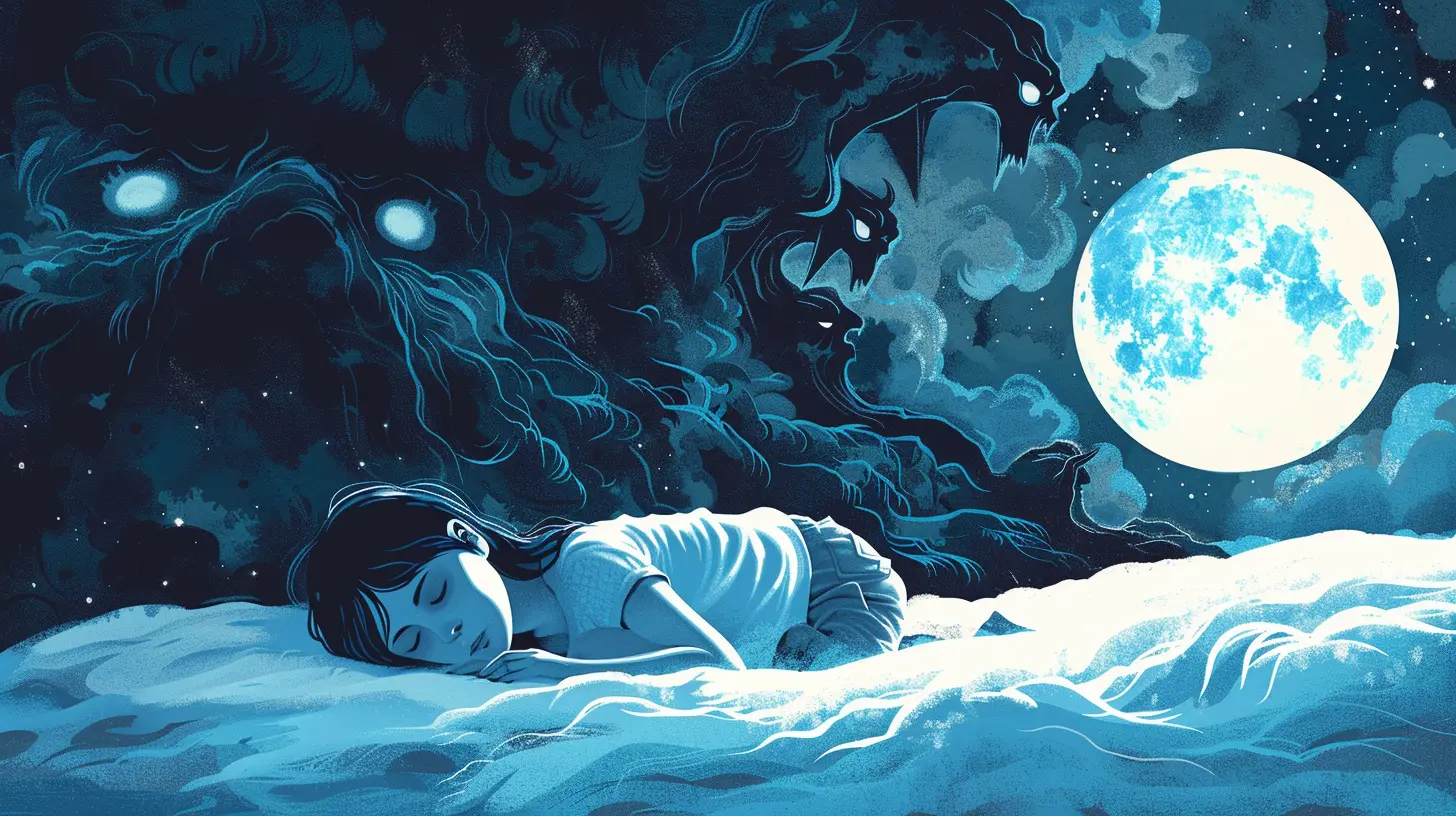
How Anxiety Fuels Insomnia
Anxiety is like an overprotective friend who won't let you relax. It keeps whispering worst-case scenarios in your ear, even when you just want to rest. This overstimulation makes it nearly impossible for your brain to wind down, leading to difficulty falling asleep.Here’s how anxiety contributes to insomnia:
1. Racing Thoughts at Night
Your mind replays conversations, regrets, deadlines, or even embarrassing moments from ten years ago. You want to sleep, but your brain has decided it's the perfect time for an overanalysis session.2. Increased Heart Rate and Restlessness
Anxiety triggers the fight-or-flight response, releasing stress hormones like cortisol and adrenaline. Your body thinks there's danger, keeping you on high alert instead of relaxing into sleep.3. Fear of Not Sleeping
Ironically, stressing about insomnia makes it worse. If you've ever thought, "If I don’t sleep, tomorrow will be a disaster," you’re fueling the anxiety-insomnia loop. The more pressure you put on sleep, the harder it becomes to achieve.
How Insomnia Fuels Anxiety
Now, let’s flip the script. Lack of sleep doesn’t just make you feel groggy—it actively worsens anxiety. When you're sleep-deprived, your brain's emotional regulation center (the amygdala) goes into overdrive, making you more reactive to stress.Here’s how insomnia worsens anxiety:
1. Increases Stress and Irritability
Ever notice how small problems feel like massive crises when you’re sleep-deprived? That’s because sleep deprivation amplifies negative emotions, making anxiety feel even more overwhelming.2. Disrupts Logical Thinking
A well-rested brain can handle stress with reason. A sleep-deprived brain? Not so much. You may find yourself catastrophizing even minor issues, intensifying your anxiety.3. Weakens Coping Skills
Lack of sleep makes it harder to regulate emotions or use coping strategies like mindfulness and deep breathing. This leaves you more vulnerable to anxiety spirals throughout the day.
Breaking the Cycle: Strategies for Better Sleep and Less Anxiety
The good news? You can break the vicious cycle between insomnia and anxiety. It won’t happen overnight (ironically), but with consistent effort, you can retrain your brain and body to relax when bedtime rolls around.1. Create a Sleep-Positive Routine
Your brain responds to habits, so set up a wind-down routine that signals to your body that it’s time for sleep. Try:✅ Keeping a Consistent Sleep Schedule – Even on weekends.
✅ Dim the Lights – Lowering brightness signals melatonin production.
✅ Avoid Screens Before Bed – Blue light tells your brain it’s still daytime. (Try reading instead!)
2. Tame the Racing Thoughts
If your mind won’t stop chattering at bedtime, try these techniques:- Journaling – Offload those thoughts onto paper instead of replaying them.
- Meditation or Deep Breathing – Slows down your nervous system.
- Progressive Muscle Relaxation – Tensing and relaxing muscle groups can signal sleep readiness.
3. Cut Back on Stimulants
Caffeine and nicotine can keep your nervous system on high alert long after consumption. Ideally, stop consuming caffeine at least 6 hours before bed. Alcohol might make you drowsy, but it actually disrupts deep sleep, leaving you exhausted the next day.4. Reframe Sleep Anxiety
Instead of stressing about not sleeping, remind yourself: Resting in bed is still beneficial. Sometimes, removing the pressure to sleep actually helps you relax enough to drift off naturally.5. Exercise During the Day
Regular physical activity reduces anxiety and improves sleep quality. Just be mindful not to work out too close to bedtime—it can have the opposite effect.6. Try Cognitive Behavioral Therapy for Insomnia (CBT-I)
CBT-I is a structured, evidence-based approach that helps reprogram your thoughts and behaviors around sleep. It’s widely regarded as one of the most effective treatments for chronic insomnia.When to Seek Professional Help
If anxiety and insomnia are significantly interfering with your life, it may be time to talk to a professional. Therapy, medication, or a combination of both can be incredibly effective in managing symptoms. Sleep specialists and mental health professionals can help you find tailored solutions for lasting relief.Final Thoughts
Insomnia and anxiety may be close companions, but they don’t have to control your life. By understanding how they feed into each other, you can take proactive steps to break the cycle. It’s all about small, consistent changes—adjusting nighttime habits, managing anxiety triggers, and reframing your mindset around sleep.The power to reclaim restful nights is in your hands. So tonight, try taking a deep breath, releasing the worry, and giving yourself the gift of peace. Sleep awaits—you deserve it.
all images in this post were generated using AI tools
Category:
Sleep And Mental HealthAuthor:

Christine Carter
Discussion
rate this article
1 comments
Bryce Parker
Insomnia and anxiety are like an old couple who can't stop bickering. One keeps you awake, while the other whispers worries. It's time to kick them both out and find peace at last!
June 11, 2026 at 4:50 AM
Christine Carter
I love that analogy! Finding a way to break the cycle is crucial for peace of mind. Thanks for sharing your thoughts!