Mood Disorders and Creativity: Is There a Connection?
10 February 2026
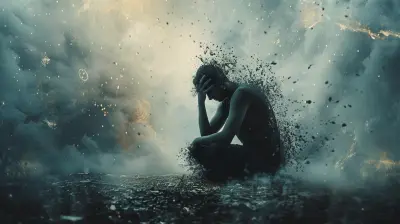
Can being moody make you more creative? Sounds a little strange, right? But this question has sparked debates among scientists, artists, therapists—even that one friend who paints incredible masterpieces during their “blue periods.” Whether it’s poets wearing their hearts on their sleeves or musicians pouring their struggles into soul-touching symphonies, the connection between mood disorders and creativity has intrigued us for centuries.
Let’s be real—mental health isn’t a joke. But neither is the creative force that seems to flow through people who wrestle with emotional highs and lows. So, the big question is: Is there actually a link between mood disorders and creativity, or is it just a romanticized myth we keep alive because it sounds poetic?
Buckle up, because we’re diving into this fascinating topic. Spoiler alert—there’s no one-size-fits-all answer, but it gets really interesting!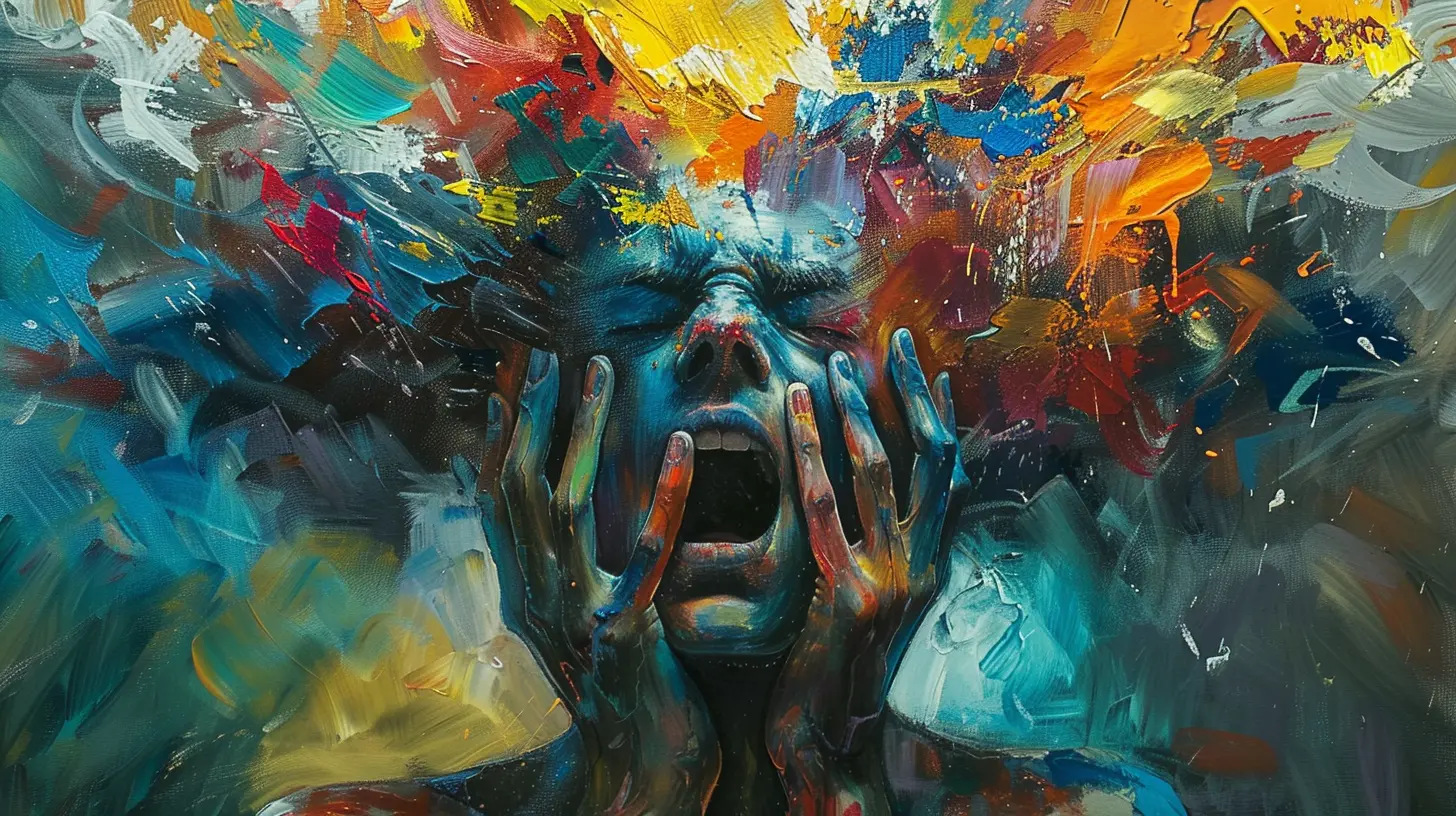
What Are Mood Disorders, Really?
First off, let’s make sure we’re on the same page. Mood disorders aren’t just feeling “meh” one day and “yay!” the next. They’re mental health conditions that seriously affect a person's emotional state over an extended period.Some common ones include:
- Major Depressive Disorder (MDD) – the big ol’ cloud that rains over everything.
- Bipolar Disorder – cycling between emotional highs (mania or hypomania) and lows (depression).
- Dysthymia – low-grade, chronic sadness that just kind of hangs around.
- Cyclothymia – a lighter, rollercoaster version of bipolar.
Mood disorders affect mood stability, energy levels, motivation—and yes, even how someone experiences creativity.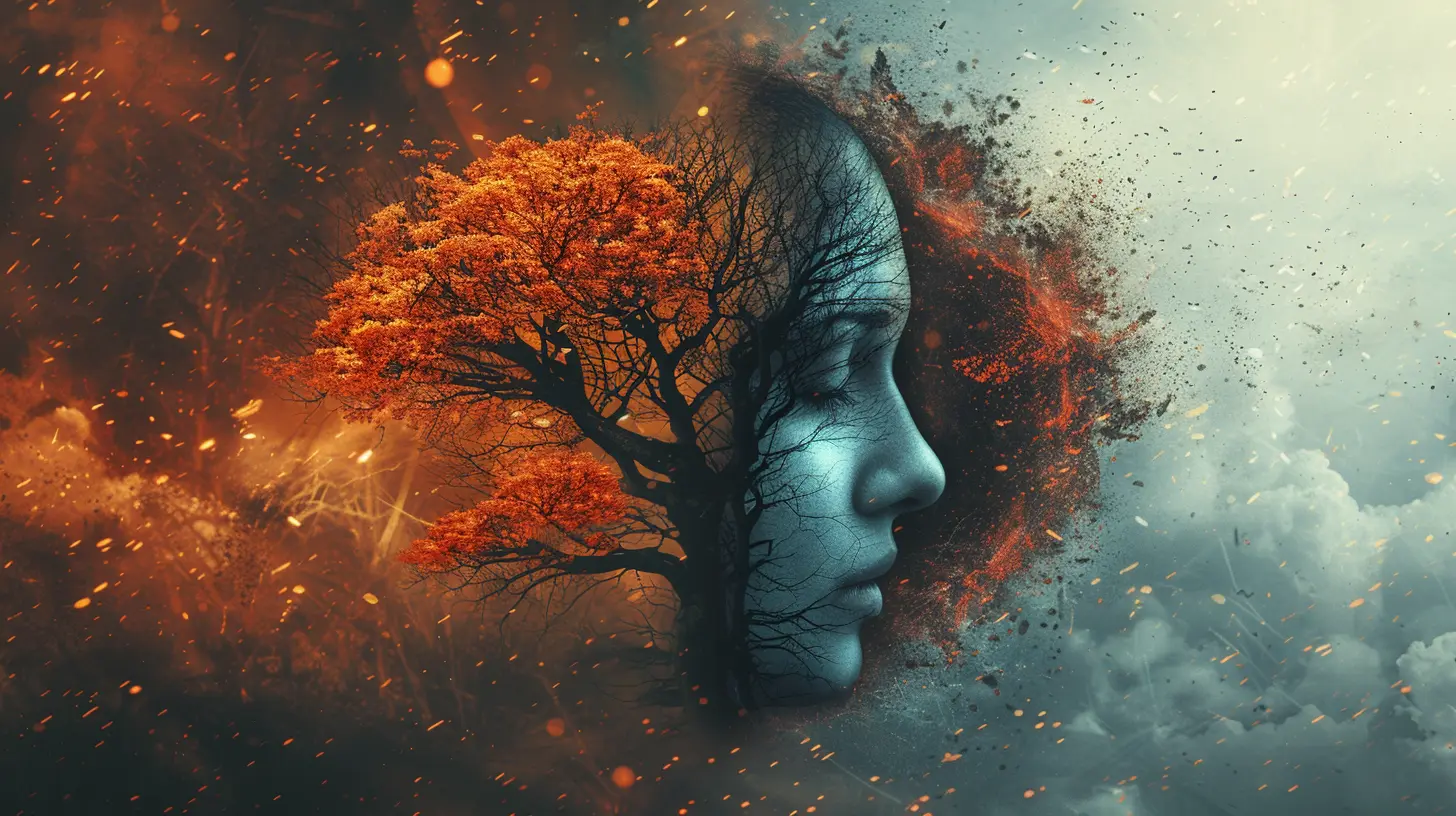
Creativity: The Beautiful Beast
Creativity isn’t just painting landscapes or writing novels. It’s thinking outside the box, connecting dots others can’t even see, and turning chaos into beauty. It’s innovation. It’s problem-solving. It’s putting emotions into tangible form.Some people describe it like a fire—burning bright and uncontrollably when inspiration strikes. Others see it as a quiet whisper that flows during solitude. However it presents itself, creativity often taps into deep emotional places.
So here’s the million-dollar question: Can intense emotional states caused by mood disorders fuel this creative spark?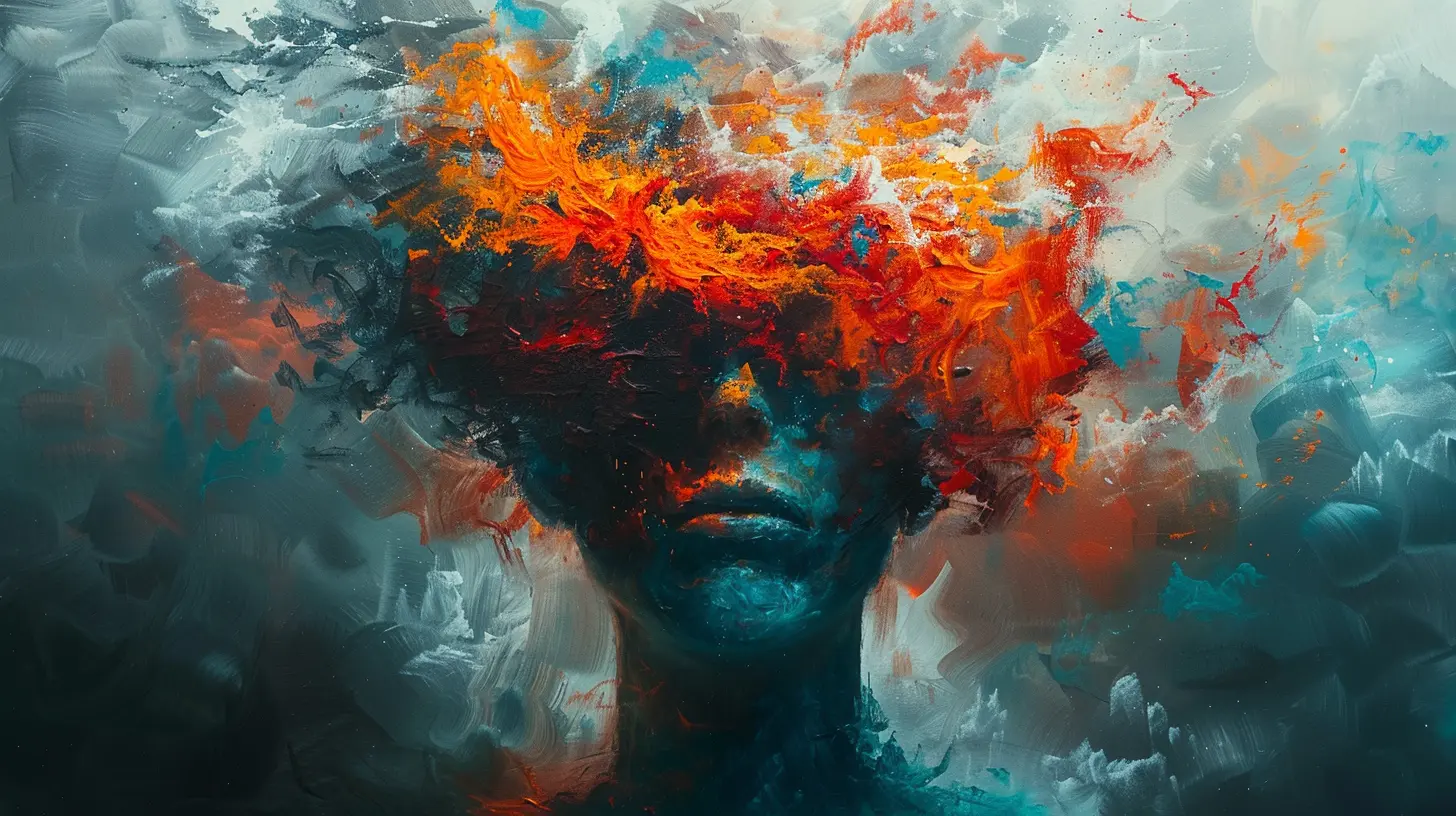
History’s “Tortured Geniuses”
Let’s take a step back. Think Van Gogh, Sylvia Plath, Edgar Allan Poe, Virginia Woolf, Kurt Cobain... the list goes on. These are creators known not only for their brilliance but also for their visible struggles with mood disorders.It’s easy to look at their lives and assume that their pain = their art. And while the stereotype of the “tortured artist” makes for a dramatic story, there’s a fine line between myth and reality.
Some researchers argue this link is overhyped. Others believe there’s more to it—especially when it comes to bipolar disorder and creative thinking. Let's break it down.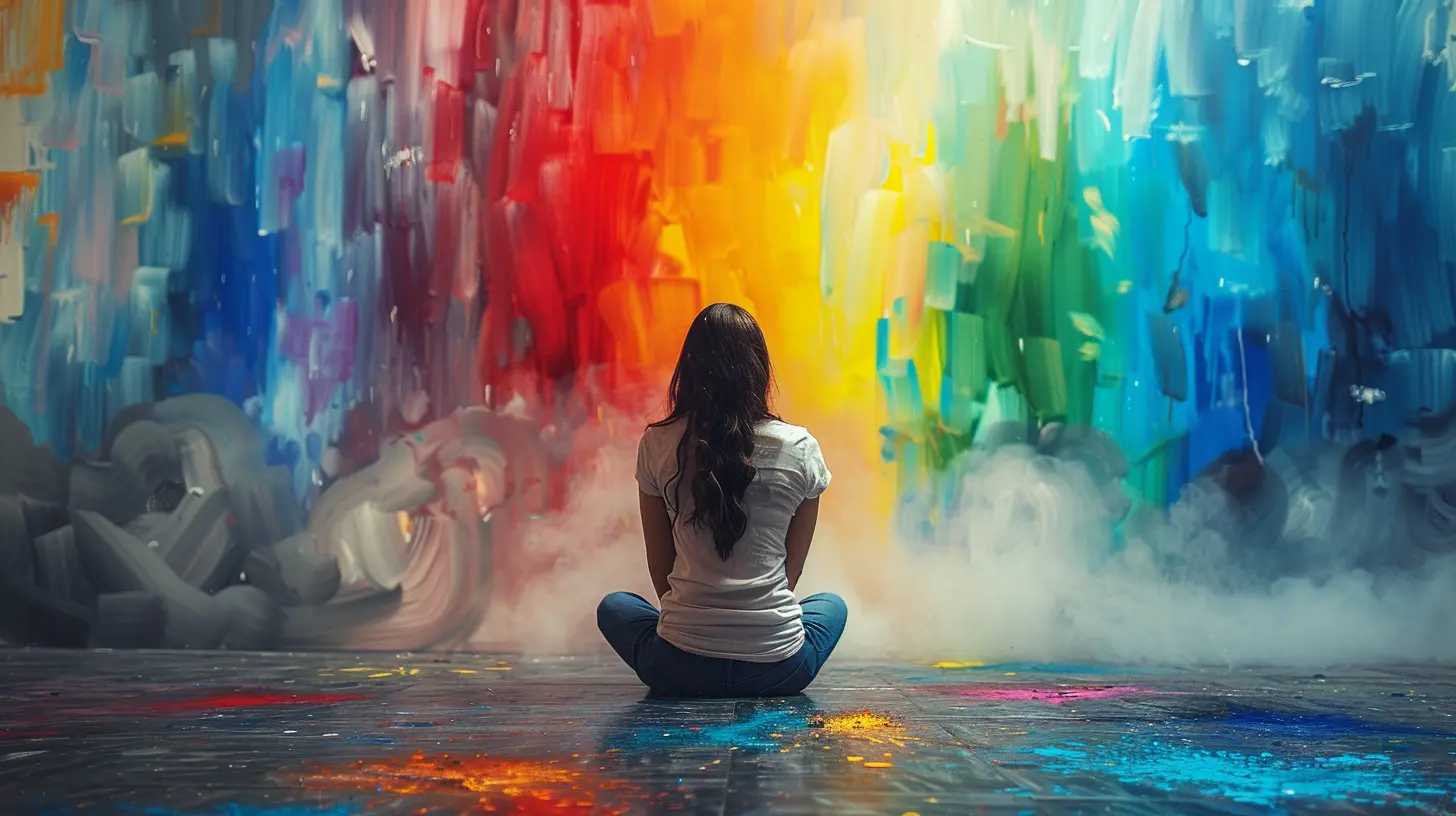
The Science Behind the Storm
1. Bipolar Disorder and Creativity
Bipolar disorder is often at the center of these conversations. Why? Because it includes phases of mania or hypomania, where energy, confidence, and racing thoughts skyrocket. Basically, the brain is in overdrive.During these highs, many people report:
- Increased productivity
- Original ideas
- Faster thinking
- Greater confidence in their abilities
Sounds like the perfect cocktail for a creative genius, right?
Well, kind of.
While the surge of ideas might be helpful in brainstorming, mania can also lead to impulsivity and burnout, which aren’t exactly artist-friendly. It’s like having a Ferrari engine with no brakes—awesome until you hit a wall.
Studies suggest that people with bipolar traits (not full diagnosis) might score higher on creativity tests. So, a touch of it? Maybe helpful. Full-blown episodes? That’s a whole different story.
2. Depression and Creativity
Now let’s talk about depression. You’d think creativity would shrivel up and hide under a blanket with the rest of us during dark times. And sometimes, that’s the case.But other times, something surprising happens.
People experiencing depression often have deep introspective thoughts. They start exploring existential questions, feeling emotions intensely, and reflecting on life in ways others don’t. This can lead to creating meaningful art, music, stories, or even solutions to problems because they’re seeing the world through a different lens.
That said, we should never glorify suffering. Being depressed is NOT a creative strategy—it’s a serious condition. But yes, for some, their darkest days inspire their most moving creations.
Is There a “Sweet Spot”?
Funny enough, researchers talk about something called a "creativity sweet spot." It’s where someone might have emotional depth or mild symptoms of mood disorders, but still maintain enough cognitive control to stay focused and productive.This balance allows them to tap into unique perspectives without becoming overwhelmed.
Think of it like cooking. A pinch of spice enhances flavor. Dump the whole jar in? You’ve ruined the dish.
The Brainy Side of Things
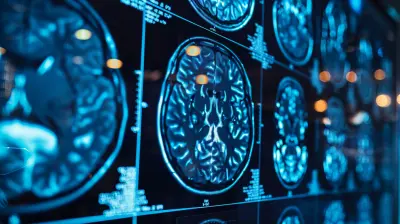
Okay, neuroscience nerds, this one’s for you.Studies using brain imaging show that people with high creativity and some mood disorders share similar brain patterns. These include:
- Increased activity in the default mode network (involved in daydreaming and self-reflection)
- Overlap in brain regions linked to empathy, memory, and imagination
- Dopamine and serotonin irregularities that impact both creativity and mood
Translation? The same brain quirks that make someone more emotionally sensitive might also make their creativity fire up in unique ways.
Famous Creators Who Spoke Openly About It
It’s not just historical figures who dealt with mood disorders and creativity. A lot of contemporary creatives talk about their mental health journey.- Lady Gaga has opened up about PTSD and anxiety, channeling her pain into her music and performances.
- Stephen Fry, diagnosed with bipolar disorder, speaks about the highs and lows fueling his expansive creative career.
- J.K. Rowling has discussed battling depression while writing the Harry Potter series—creating Dementors as a metaphor for her experiences.
Their stories show that while mood disorders can bring struggles, they don’t have to stop creativity. In fact, managing mental health can unlock creative potential in healthier ways.
Challenges of Romanticizing the Struggle
Let’s pump the brakes for a sec.While the “tortured artist” trope has a certain dark glamour, it can be harmful. Not all creatives have mood disorders. And not all people with mood disorders are creative. Connecting the two too tightly can:
- Discourage treatment (because people fear losing their “edge”)
- Make people feel like they “need” to suffer to be great
- Overshadow those creating with joy, laughter, and stability
It’s okay to feel all the feels—and yes, some great art comes from pain—but it’s just as valid to create from a place of peace.
Managing Mood, Fueling Creativity
Good news: You don’t need to choose between mental health and creativity. It's not an either/or deal!Here are some practical tips for keeping both in balance:
1. Get Support
Working with a therapist or psychiatrist can help manage symptoms—without killing your spark. Seriously, being stable doesn’t mean being boring.2. Create a Routine
Structure helps. Carve out time for creativity when you’re feeling stable. Like flexing a muscle, creativity grows with consistent effort.3. Use Art as Expression
Journaling, music, painting—it’s not about the result, it’s about the release. Let your emotions out in a healthy, creative way.4. Surround Yourself with Supportive People
Whether it's a friend who cheers your creative wins or a coach who helps you stay on track, don’t do it all alone.5. Accept the Ebbs and Flows
Creativity isn’t a faucet. It’s more like the tide—sometimes it rushes in, other times it retreats. Both are natural.So... Is There a Connection?
In short: Yes, but it’s complicated.Mood disorders can shift how people see the world, feel emotions, and express themselves—and these elements are often tied to creativity. But it’s not a rule, and it definitely isn’t required.
Some creatives thrive in stability. Others find that their struggles add depth to their work. But in all cases, mental well-being should come first. Because let’s be honest—no masterpiece is worth more than your peace.
If you're someone who feels the pull of both the creative muse and emotional waves, know this: You’re not alone. And while the journey can be tough, it can also be wildly beautiful.
So go ahead—paint, write, build, dream—but take care of your mind along the way. ❤️
Final Thoughts
Whether you’re a creator fueled by emotion or someone just curious about this topic, there's something profoundly human about turning struggle into something meaningful. Creativity doesn't always arrive with fanfare and sunshine—it can come from the storm too.But remember: You’re allowed to be both emotionally honest and mentally healthy. The creative spark isn’t exclusive to suffering, and your brightest ideas might just come when the clouds clear.
all images in this post were generated using AI tools
Category:
Mood DisordersAuthor:

Christine Carter
Discussion
rate this article
2 comments
Rook McKinnon
This article insightfully explores the complex relationship between mood disorders and creativity, highlighting how emotional experiences can both hinder and inspire artistic expression. Fascinating read!
March 19, 2026 at 4:00 AM
Christine Carter
Thank you for your thoughtful comment! I'm glad you found the exploration of this connection fascinating.
Hailey Good
This article insightfully explores the complex relationship between mood disorders and creativity, highlighting both potential benefits and challenges. It's crucial to consider individual experiences in this dialogue.
February 16, 2026 at 5:32 AM
Christine Carter
Thank you for your thoughtful comment! I agree that individual experiences play a vital role in understanding the intricate link between mood disorders and creativity.