The Psychology of Self-Harm: Understanding the Mechanisms Behind Destructive Behaviors
31 August 2026
Let’s not sugarcoat it—self-harm is a tough, raw, and painfully real topic. It's not something we typically bring up over coffee or joke about in passing. But here's the thing: millions silently struggle with it every single day. Behind the masks we wear and the smiles we fake, some are carrying burdens that manifest in the form of physical pain—inflicted by their own hands. So, let’s talk about it. Dive deep. Peel back the layers. Because the only way to truly understand self-harm is to confront it head-on.
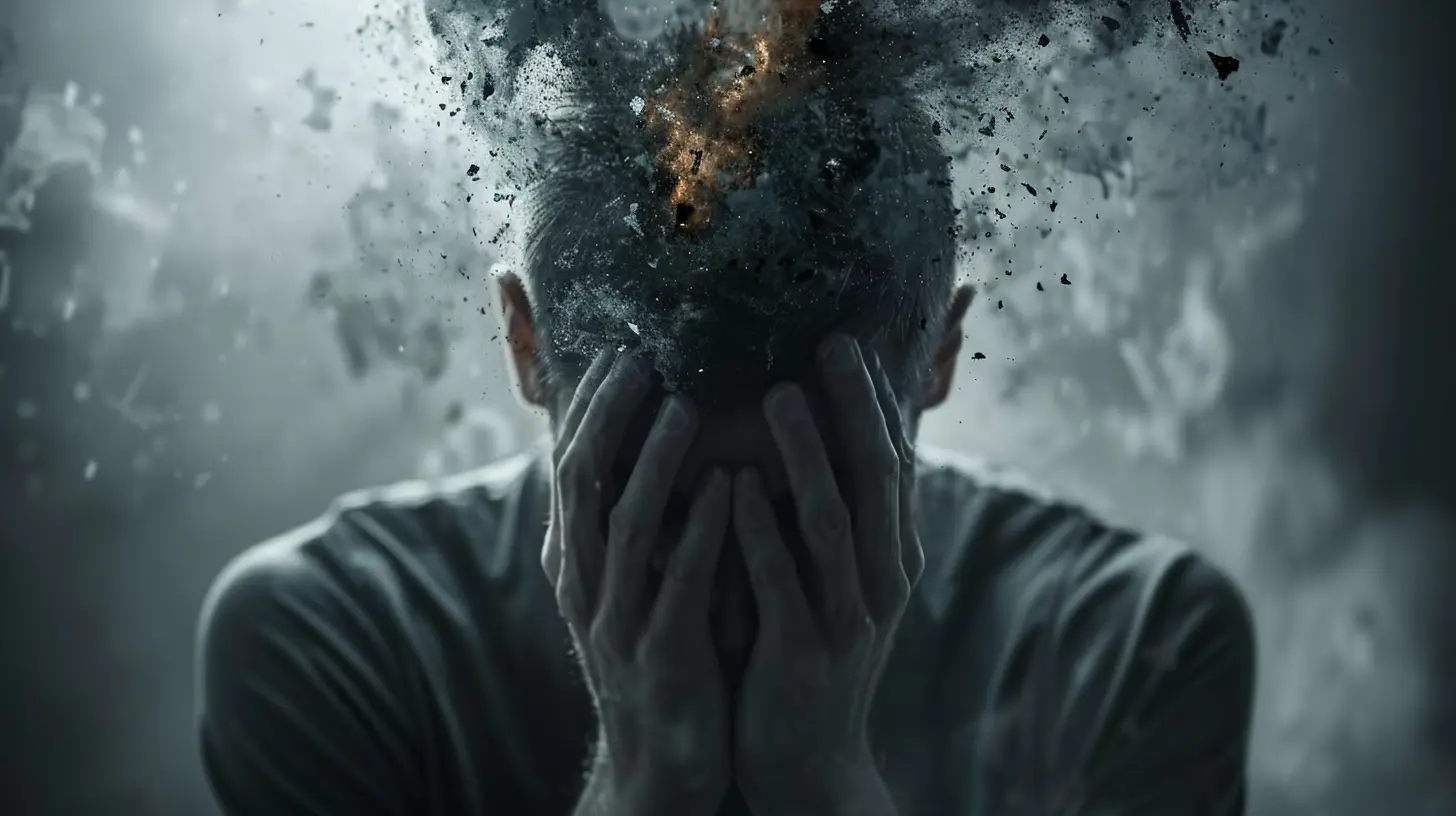
What Is Self-Harm, Really?
Self-harm, often referred to as non-suicidal self-injury (NSSI), isn’t about "attention-seeking" or a "phase." That narrative is outdated and harmful. Self-harm is when someone intentionally hurts themselves to cope with emotional distress—without the intention of ending their life. Think cutting, burning, scratching, hitting, or even picking at wounds to prevent healing.But why would someone do that? What drives a person to turn pain inward instead of reaching out? That’s the million-dollar question, and the answer lies deep within the psyche.

The Emotional Storm Beneath the Surface
Self-harm is often the result of unresolved emotional chaos. Imagine you're inside a pressure cooker. The steam builds, boiling emotions bubble to the surface, but there's no outlet. Eventually, something’s got to give. For some, that release comes through pain.Emotional Regulation: The Primary Function
At its core, self-harm is often a dysfunctional coping mechanism. People who self-injure usually report a temporary sense of relief afterward. Why? Because pain can be grounding. It snaps you out of overwhelming emotions like shame, guilt, sadness, or anger and shifts the attention to something tangible.You know how some people scream into a pillow or punch a wall when they're furious? Self-injury is a similar release, except it's internalized.
It’s Not Always About the Pain
Here’s the kicker—many who self-harm don’t want to feel pain. In fact, they might feel nothing at all. Emotional numbness—feeling empty, disconnected, or dead inside—is terrifying. For those folks, self-injury is like flipping a switch. It turns the volume back up, reminds them they’re still alive, still human, still feeling something.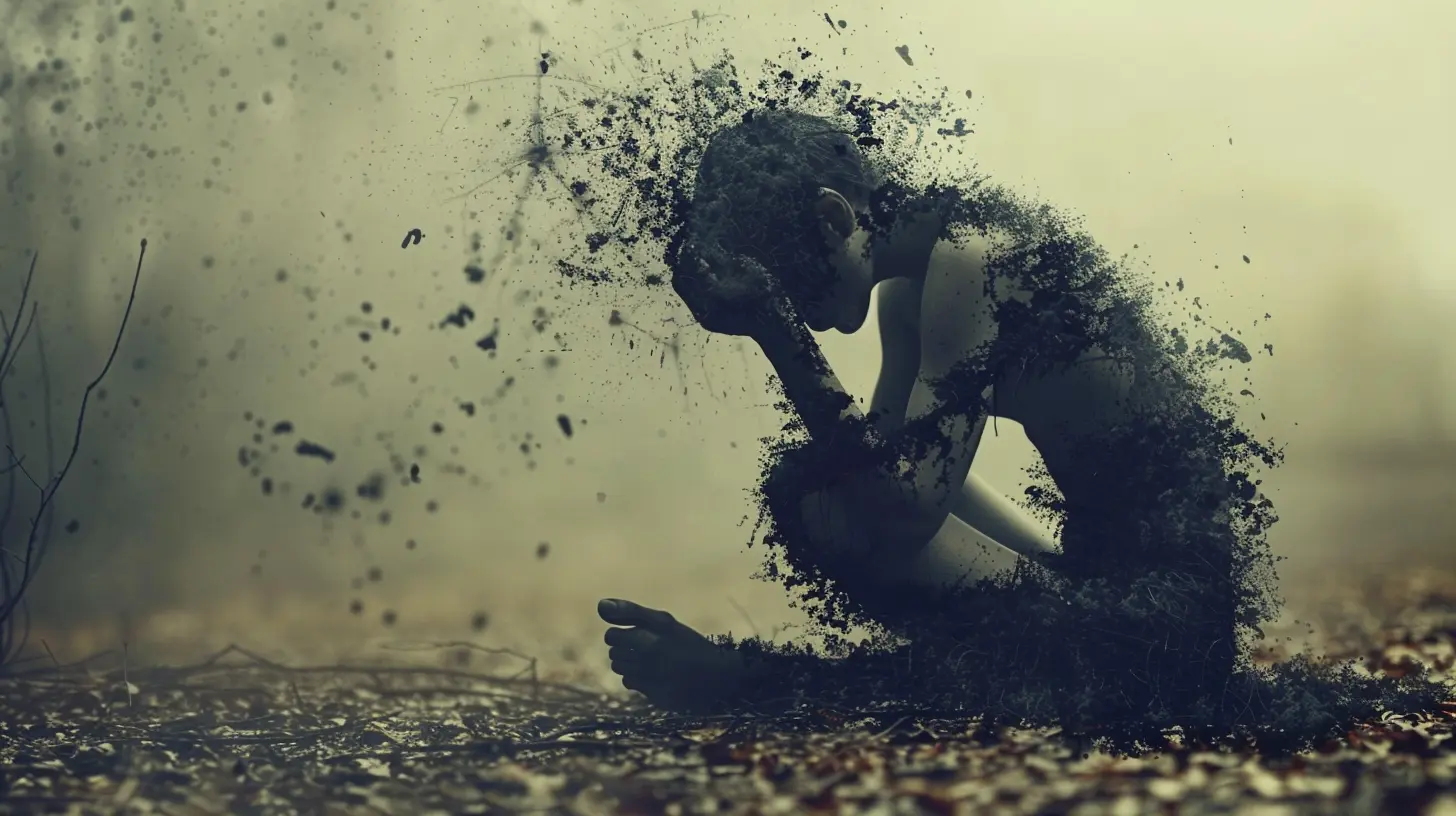
Unpacking the Psychological Mechanisms
Now let’s get into the psychology behind this behavior. Self-harm doesn’t occur in a vacuum. It’s typically the result of interwoven psychological, biological, and environmental factors. Let’s break those down.1. Childhood Trauma and Past Abuse
Trauma leaves scars, both visible and invisible. A significant number of people who self-harm have experienced some form of abuse—physical, emotional, or sexual. These early wounds often lead to feelings of worthlessness, shame, and self-loathing. And what do those feelings do? They fester. They twist the way a person sees themselves, sometimes leading them to feel they deserve to be punished.2. Mental Health Disorders
Self-harm is often a symptom, not the disease. It commonly co-occurs with:- Depression
- Anxiety disorders
- Borderline Personality Disorder (BPD)
- Post-Traumatic Stress Disorder (PTSD)
- Eating disorders
For example, individuals with BPD may struggle intensely with emotional regulation and impulse control—two key drivers of self-injurious behavior.
3. Low Self-Esteem and Self-Criticism
If your inner voice constantly screams "You’re not good enough," it wears you down over time. That voice becomes a bully, and for some, the only way to quiet it is through physical pain. Self-harm acts as a twisted form of self-punishment.4. Neurobiological Pathways
Let’s bring in some brain science. Studies have shown that self-harm might trigger the release of endorphins—the brain’s natural painkillers. That rush of "feel-good" chemicals can create a dangerous feedback loop: pain feels relieving, so the behavior gets reinforced.This wiring in the brain makes self-harm addictive. The body learns to crave the relief, setting up a vicious cycle that’s tough to break.

Society’s Role and Misconceptions
Pop culture doesn’t do any favors here. Often, self-harm gets glamorized or misunderstood. Either it’s portrayed as a teenage drama trope or swept under the rug entirely. Let’s get this straight: anyone can self-harm. Teenagers, adults, men, women, non-binary individuals. Mental pain doesn’t discriminate.And no, it’s not about seeking attention. In fact, most people go to great lengths to hide their scars. Long sleeves in summer, avoiding intimacy, staying quiet—and all because of the shame and fear of being judged.
The Self-Harm Cycle: Why It’s So Hard to Stop
Once someone starts self-harming, it can become incredibly difficult to stop. Why?1. Emotional Trigger – Overwhelming feelings build up.
2. Self-Injury – The act brings immediate relief or distraction.
3. Temporary Calm – The person feels a momentary sense of control.
4. Guilt/Shame – Then comes the regret and self-criticism.
5. More Emotional Pain – The cycle resets, often even stronger.
It’s a loop—a psychological hamster wheel that feels impossible to escape.
Warning Signs to Look Out For
If you’re reading this worried about someone you care about, here are some red flags:- Unexplained cuts, bruises, or burns—often on arms, thighs, or stomach
- Blood stains on clothing or tissues
- Wearing long sleeves in hot weather
- Withdrawal from friends and activities
- Sudden mood changes or emotional outbursts
But remember, never confront someone aggressively. Come from a place of compassion, not judgment. Ask questions gently. Be there without needing to "fix" everything.
Talking About It: Breaking the Silence
Here’s the truth—open conversations can be life-changing. When people feel seen, heard, and supported, the shame around self-harm begins to dissolve. And that’s the first step toward healing.So, what can we do?
Listen Without Judgment
Drop the lectures. Ditch the pity. Just listen. Let them talk. Sometimes all someone needs is to be heard without being labeled as "crazy" or "broken."Encourage Professional Help
This isn’t something that can be fixed overnight with a few positive affirmations. Therapy—especially dialectical behavior therapy (DBT) and cognitive-behavioral therapy (CBT)—has proven effective in helping individuals develop healthier coping strategies.Support. Don’t Smother.
Be a safe space but give them room to breathe. Healing is a journey. There’ll be setbacks and progress—but your consistent support can make a world of difference.
Healthier Coping Strategies: Rewiring the Brain
If self-harm is about release, then the goal is to find other outlets that serve the same purpose—without the harm. Here are a few alternatives:- Physical activity – Exercise releases endorphins too
- Art and journaling – An emotional dump for the soul
- Ice cubes or snapping rubber bands – Simulates the sensation without the damage
- Mindfulness and meditation – Trains the brain to sit with feelings instead of pushing them away
- Reaching out to a support group – Knowing you’re not alone can be incredibly healing
And hey, don’t expect perfection. Replacing self-harm with healthier options is a process, not a one-and-done deal.
The Road to Recovery: It’s Not Linear
Healing from self-harm is like hiking a steep, winding trail. There are moments when you feel like you're sprinting uphill, and others when you barely crawl forward. There might even be times you slip and fall again.And you know what? That’s okay.
Relapse doesn’t mean failure. It means you’re human. It means the pain is still there, and you're still figuring it out. The important thing is to keep going, to keep trying, to keep choosing life—even when it hurts.
Final Thoughts: Let’s Stop the Silence
Self-harm thrives in silence. It feeds off secrecy and shame. But when we bring it into the open—when we get honest about the pain, the reasons, the mechanisms—we take away some of its power.Maybe you’ve been there yourself. Maybe you’re still there now. Or maybe someone you love is spiraling.
Either way, remember this: You are not broken. You are not weak. Destructive behaviors do not define your worth.
There’s help. There’s hope. And healing is possible.
Let’s keep the conversation going.
all images in this post were generated using AI tools
Category:
PsychopathologyAuthor:

Christine Carter
Discussion
rate this article
1 comments
Enid McAndrews
Self-harm often reflects deeper emotional pain and the need for coping mechanisms. Understanding these behaviors requires compassion and a nuanced approach, recognizing the struggle for relief in moments of distress.
August 31, 2026 at 4:45 AM
Christine Carter
You're absolutely right. Compassion and understanding are crucial in addressing the complexities of self-harm and the emotional pain behind it.