The Impact of Media on Public Perception of Criminal Behavior
28 February 2026
Crime is one of those topics that never seems to leave the spotlight. Whether it's the latest true crime documentary, a sensationalized news report, or a gripping crime drama, our screens are constantly flooded with stories of criminal activity. But have you ever stopped to think about how all this media consumption shapes the way we perceive crime?
The truth is, the media plays a huge role in influencing public opinion on criminal behavior. From who we see as dangerous to how we think justice should be served, the media has a powerful grip on our perceptions. But is what we see always an accurate reflection of reality? Let’s break it down. 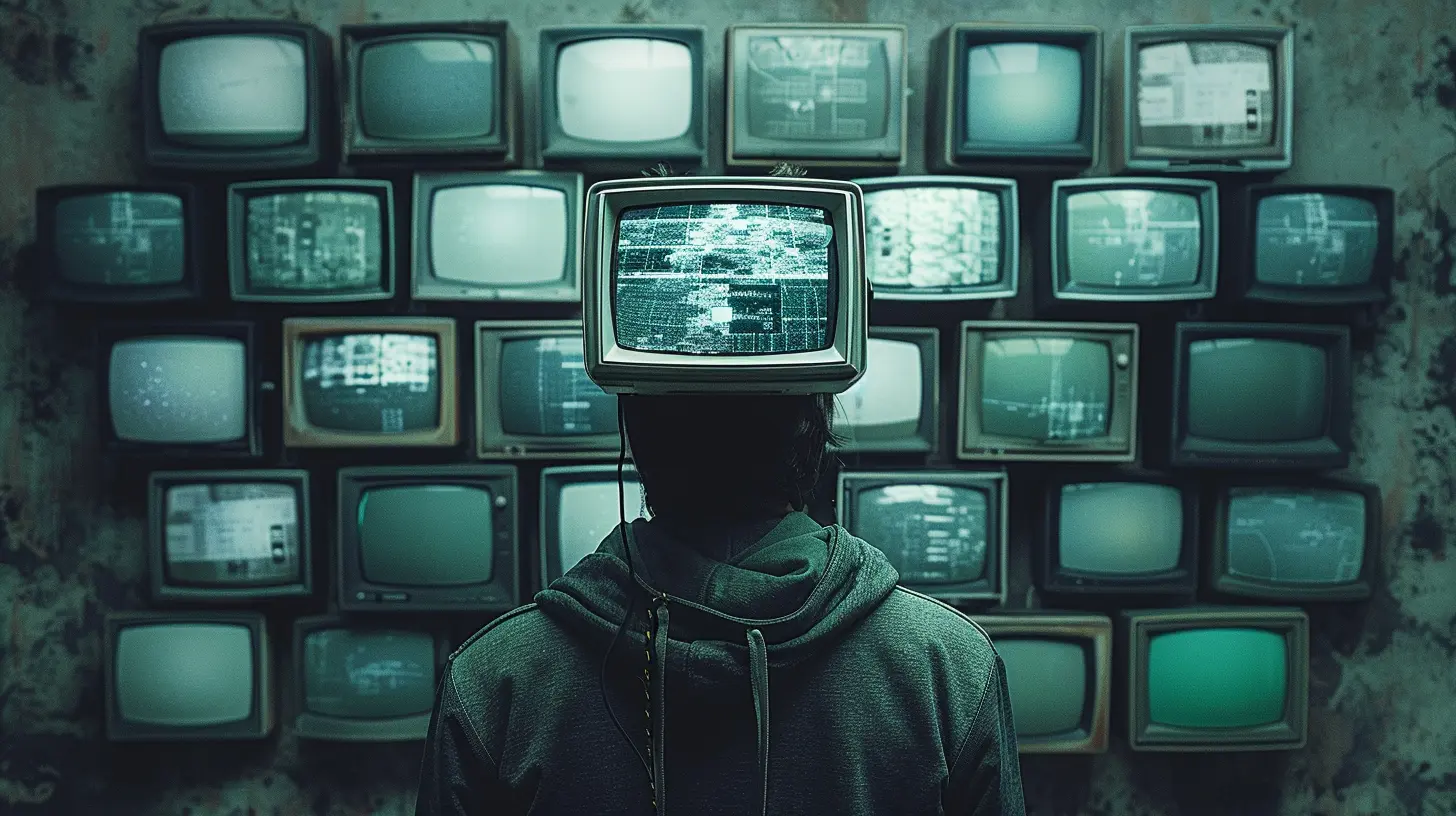
How the Media Portrays Crime
Crime sells. That’s the harsh reality of the media industry. Sensational stories grab attention, boost ratings, and keep people coming back for more. But the problem is, crime coverage isn’t always balanced or accurate.1. Overrepresentation of Violent Crime
Turn on the evening news, and you’d think the world is nothing but murder, assault, and armed robberies. Violent crimes make up a significant portion of news reports and TV dramas, even though they only account for a small percentage of actual crimes.The result? People tend to overestimate how common violent crime actually is. This leads to “Mean World Syndrome”—a psychological phenomenon where excessive exposure to violent media makes people believe the world is more dangerous than it really is.
2. Racial and Socioeconomic Biases
Another major issue is the way different offenders are portrayed based on race and socioeconomic status. Have you ever noticed how news coverage often depicts White criminals as troubled individuals in need of help, while Black or Hispanic offenders are painted as dangerous threats?Studies have consistently shown that crimes committed by minorities receive harsher media portrayals, which fuels racial stereotypes and biases. This ultimately influences public perception and even impacts real-world policies regarding law enforcement and sentencing.
3. Sensationalism & Fearmongering
"Breaking News: Crime Wave Sweeps the City!"—sounds familiar, right? Headlines like these are designed to keep audiences glued to their screens, even if the actual data doesn’t support the claim.Fear sells, and the media knows it. By exaggerating crime trends and emphasizing shock value, the public is left with a heightened sense of fear, which can lead to increased support for tough-on-crime policies that may not always be effective or fair. 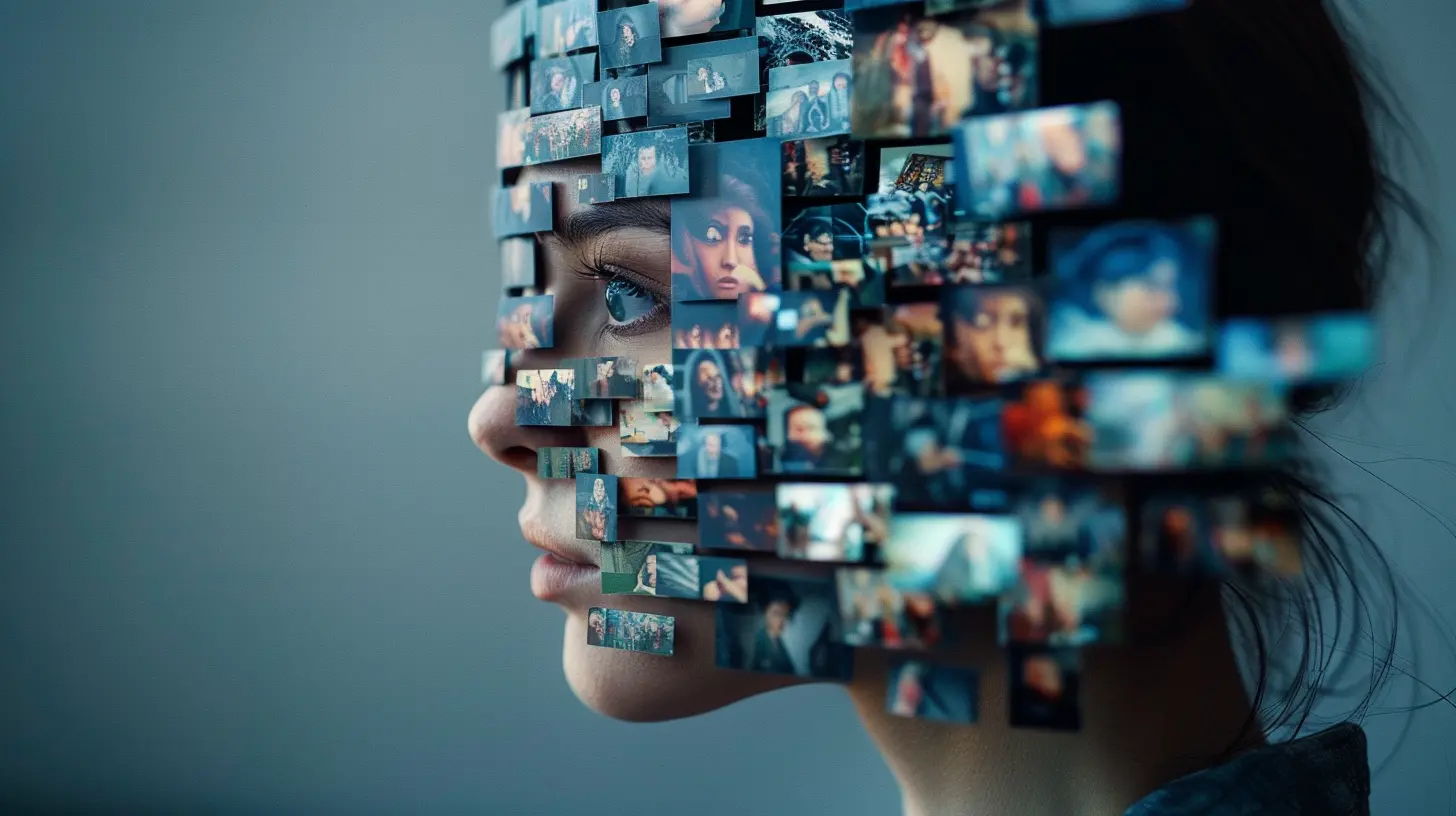
The Role of True Crime Media
True crime content has taken the world by storm. From podcasts to Netflix docuseries, people can’t seem to get enough of real-life crime stories. But what impact does this obsession have on the way we see crime and justice?1. Glorification of Criminals
Some true crime shows unintentionally turn criminals into celebrities. Serial killers get fan followings, and fraudsters are admired for their cunning. Shows that focus on the personal lives of criminals rather than their victims create a dangerous fascination with criminal behavior.2. Misrepresentation of the Justice System
Television crime dramas and documentaries often depict law enforcement as either flawless heroes or deeply corrupt villains, but reality is far more complex. Inaccurate portrayals of police investigations, courtroom procedures, and forensic science can create false expectations about how justice works.For example, the “CSI Effect” refers to how crime TV shows have influenced jurors to expect high-tech forensic evidence in every case, sometimes leading to wrongful acquittals when such evidence isn’t available.
3. Increased Public Vigilance
On the flip side, true crime content has also made people more aware of criminal patterns and red flags. Many viewers develop a stronger sense of caution, which can sometimes help in preventing crime. However, it can also lead to unnecessary paranoia.
How Media Shapes Public Opinion on Crime and Punishment
When people are constantly exposed to dramatic crime stories, their views on punishment and law enforcement can be significantly impacted.1. Tougher Criminal Policies
People who consume a lot of crime-related media tend to support harsher sentences and stricter policing. The idea of "lock them up and throw away the key" becomes more appealing when crime appears to be rampant, even when actual crime rates are declining.2. Wrongful Fear of Strangers
Thanks to media portrayals, many people believe that the biggest threats come from random strangers lurking in the dark. In reality, most crimes—especially violent ones—are committed by someone the victim already knows.This fear of the unknown often leads to unnecessary anxiety and misplaced distrust, rather than focusing on more statistically relevant risks.
3. The Perception of Guilt & Innocence
Media coverage can heavily influence public perception of specific cases before a trial even begins. When a suspect’s face is plastered all over the news with damning headlines, many people subconsciously assume guilt before any evidence is presented in court.At the same time, high-profile cases may sway public opinion in the other direction, leading people to sympathize with offenders based on the way they’re portrayed in the media. 
Can We Trust the Media’s Crime Coverage?
Given all of this, should we completely distrust crime-related media? Not necessarily. But it’s important to be a critical consumer of crime-related content.1. Fact-Check Before You Believe
Always compare media claims with actual crime statistics from credible sources like the FBI, Bureau of Justice Statistics, or local law enforcement reports.2. Be Aware of Biases
Recognize that media outlets have their own agendas—whether political, financial, or ideological. Pay attention to who is telling the story and what narrative they’re pushing.3. Diversify Your News Consumption
Instead of relying on one news source or only watching sensational crime dramas, try to get a variety of perspectives. Independent journalism, academic studies, and firsthand legal reports can provide a more balanced view of crime.4. Question Your Own Biases
Think critically about how media influences your personal opinions, whether on race, policing, or sentencing. Ask yourself: Would I feel the same way about this case if the suspect looked different?Final Thoughts
The media has a profound impact on how we perceive crime, shaping everything from our personal fears to national policies. While crime-related content can be informative and engaging, it’s important to recognize its limitations and biases.By thinking critically and questioning the narratives we’re fed, we can maintain a more accurate and balanced understanding of crime, justice, and public safety. Let’s not allow sensational headlines or dramatic TV shows to dictate our worldview—because reality is often much different from what’s on screen.
all images in this post were generated using AI tools
Category:
Forensic PsychologyAuthor:

Christine Carter
Discussion
rate this article
2 comments
Sara McMahan
Media shapes perceptions; awareness is key to understanding its influence.
March 24, 2026 at 4:59 PM
Christine Carter
Absolutely, media plays a crucial role in shaping how we view crime. Staying aware helps us navigate its influence effectively.
Devin McTavish
Sure, media shapes our views on crime—like how every hero in a cop movie can take down ten bad guys without breaking a sweat. Real life? Not so much! 😂
March 2, 2026 at 4:25 AM
Christine Carter
Absolutely! Media often glamorizes violence and simplifies complex issues, shaping our perceptions in ways that differ significantly from reality.