The Psychology of Attraction: Why We’re Drawn to Certain People
9 September 2026
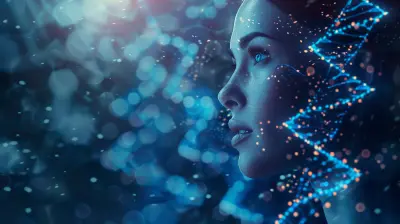
Ever wonder why you instantly click with some people while others leave you feeling... well, nothing at all? It’s not magic. There’s a method behind the madness, and it all lives inside our wonderfully complex minds. Welcome to the fascinating world of the psychology of attraction — where emotions, hormones, past experiences, and even your childhood crushes all come into play.
Let’s peel back the layers and uncover what truly makes us gravitate toward certain personalities, faces, or even voices. Spoiler alert: it’s not just about looks.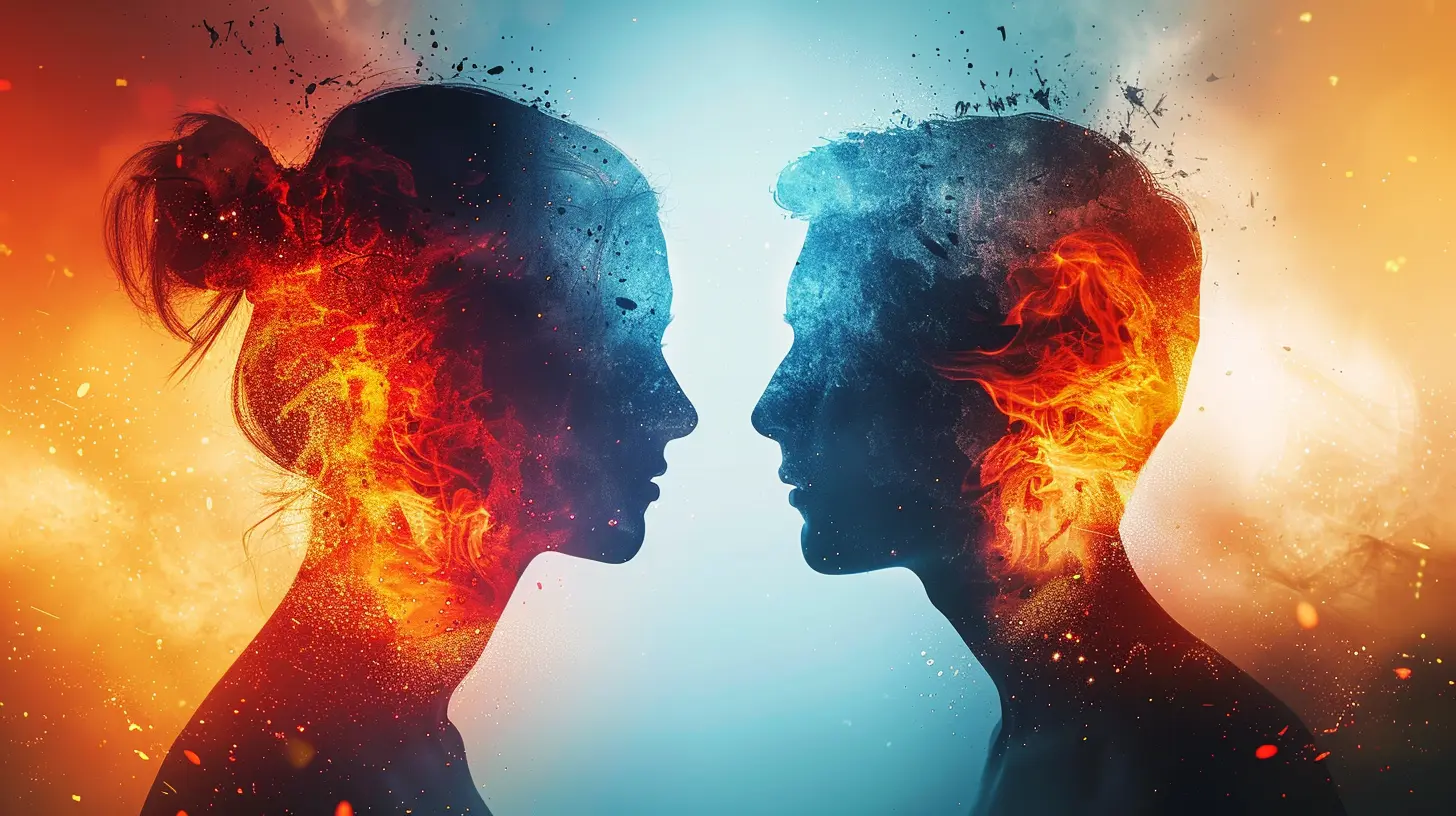
Attraction Isn’t Just Skin Deep
Sure, physical attraction plays a role. It’s what usually sparks that initial interest. But long-lasting, magnetic, can’t-stop-thinking-about-you kind of attraction? That runs much deeper than a chiseled jawline or sparkling eyes.Attraction is like a recipe — a bit of biology, a dash of psychology, a sprinkle of timing, and a whole lot of perception.
Let’s dig into each layer.
1. The Brain Chemistry of Attraction
You know that “butterflies in the stomach” feeling? That’s not your heart doing somersaults — it’s your brain on love.Dopamine: The Feel-Good Drug
When we’re attracted to someone, our brains release dopamine, the same chemical that lights up when we eat chocolate or win a jackpot. It’s the ultimate reward chemical — and it makes us want more of that person.Oxytocin: The Bonding Agent
Oxytocin, often dubbed the "love hormone," is released during physical touch or even deep conversation. It's the same hormone a mother releases when bonding with her newborn. No wonder a single hug can make you feel connected to someone instantly.Serotonin: The Obsession Trigger
Oddly enough, falling in love lowers your serotonin levels, similar to someone with obsessive-compulsive tendencies. That’s why you can’t stop thinking about your crush — it’s literally a chemical obsession.See? Your attraction might feel spiritual, but your brain is busy working overtime behind the scenes.
2. Familiarity Breeds Fondness: The Mere Exposure Effect
We’re attracted to what we know. Psychologists call it the "mere exposure effect." Basically, the more we see or hear something — or someone — the more we tend to like them.Ever caught yourself falling for someone after spending a lot of time around them? Maybe they weren’t your type at first glance, but then something changed? That’s the mere exposure effect doing its thing.
This is also why workplace romances, college flings, and friendships-turned-lovers are so common. Proximity builds familiarity, and familiarity builds attraction.
3. Mirroring and Emotional Synchrony
Have you ever noticed how people in sync start to mimic each other’s body language? That’s not just cute — it’s science.Mirroring gestures, posture, and even speech patterns signals empathy and connection. Our brains love that. It creates a feeling of unity, of being "on the same wavelength."
This goes deeper into emotional synchrony — when someone matches your energy or emotional state, it fosters an even stronger connection. If you laugh, and they laugh just as hard, it feels validating. Like, “Wow, they get me.”
And we’re drawn to people who get us.
4. Opposites Attract… But Do They Really?
This is where things get interesting. You’ve probably heard that opposites attract. And yeah, opposites can ignite that initial spark. A charismatic extrovert might be intrigued by a soft-spoken introvert. But for long-term compatibility? Shared values, interests, and lifestyles play a bigger role.Psychologists say we’re usually attracted to people who reflect parts of ourselves — or even the parts we aspire to develop. It’s like looking into a mirror or a vision board.
Sure, your partner might be different in certain ways, but those complementary differences usually aren’t polar opposites. They’re more like puzzle pieces that just fit.
5. Attachment Styles: Our Emotional Blueprint
Here’s where psychology really packs a punch. Our attachment style, shaped by early relationships (mostly with our parents), affects how we bond with others later in life.There are four key attachment styles:
- Secure – Confident, trusting, comfortable with intimacy.- Anxious – Craves closeness but fears abandonment.
- Avoidant – Values independence, avoids emotional closeness.
- Fearful-Avoidant – Wants connection but fears getting hurt.
You might find yourself consistently drawn to a particular dynamic or pattern in relationships. That’s not coincidence — it’s your subconscious playing matchmaker based on unresolved emotional needs.
Understanding your attachment style isn't a life sentence — it's a roadmap. And once you're aware of it, you can rewrite your romantic patterns.
6. The Role of Similarity and Values
You know that electric feeling when someone shares your favorite band, your sense of humor, or your world views? That’s not just exciting — it’s reinforcing. It creates a powerful loop of validation and connection.We’re often drawn to people who:
- Reflect our beliefs and values.
- Share similar goals.
- Laugh at the same jokes (yes, humor matters!).
- Enjoy the same hobbies or lifestyle.
This similarity creates ease — fewer arguments, more understanding, and a stronger sense of “We’re in this together.”
Think of it like tuning into the same frequency. Everything just flows.
7. Aesthetics & Symmetry: Beauty and the Brain
Alright, let’s not pretend appearances don’t matter. Our brains are wired to respond to symmetry, proportion, and cues of health and vitality. It's evolutionary — back in caveman days, these were signs of a good mate.But beauty really is in the eye of the beholder. Cultural, social, and personal preferences all play a role in what we find attractive. What one person finds irresistible, another might barely notice.
And interestingly, as emotional closeness increases, so does perceived attractiveness. Someone becomes more beautiful the more connected you feel to them.
8. The Power of Scent, Voice, and Subconscious Signals
Sometimes, attraction happens without a single word being exchanged. Pheromones (those sneaky, scentless chemical signals) can affect how drawn we feel to someone physically. It’s primal — animals do it, and so do we.The tone, pitch, and rhythm of someone’s voice also heavily influences attraction. A deep, soothing voice might feel safe, while a playful tone can stir excitement.
We’re constantly picking up subconscious cues — voice, scent, posture — that inform our instincts about someone. It’s like a hidden conversation happening beneath the surface.
9. Confidence: The Silent Magnet
Confidence is magnetic. Not arrogance, but real, grounded confidence — the kind that comes from knowing yourself and owning your space.When someone knows who they are and isn't trying to impress others, they radiate a vibe that draws people in. It tells our subconscious, “This person can be trusted. They’re stable.”
That inner glow beats outer beauty any day of the week.
10. Timing and Life Circumstances Matter
Ever met someone amazing… but the timing just wasn’t right? This is where the psychology of attraction meets real life.Our readiness for connection, our emotional state, and our current environment all play a huge role in who we’re attracted to. Sometimes we’re drawn to people who reflect what we need in that moment — comfort, adventure, growth, or healing.
That’s why attraction can feel different at different stages of life.
11. Kindness and Emotional Safety Win the Long Game
When it comes down to it, we all crave a safe space — someone who makes us feel heard, seen, and supported.That’s why kindness, empathy, and emotional availability are some of the most attractive qualities of all. They build deep trust. And in a world that often feels noisy and chaotic, that kind of calm assurance can feel like coming home.
Final Thoughts: Attraction Is a Dance Between Science and Soul
There’s no single formula for attraction. It’s never just one thing — it’s a magical mix of your brain's chemistry, your heart’s history, and the moment you're standing in.We’re drawn to different people for different reasons at different times. And that’s what makes the dance of attraction so beautiful and unpredictable.
So, if you’re searching for connection, don’t just look on the outside. Tune into what your soul resonates with. Sometimes, the people who light us up the most are the ones who mirror the best parts of us — or the parts we’re still learning to love.
Remember:
Be curious about your attractions. They can teach you a lot about where you’ve been, what you need, and where you’re headed.all images in this post were generated using AI tools
Category:
Psychology Of LoveAuthor:

Christine Carter
Discussion
rate this article
2 comments
Heath McAuley
This article effectively explores the underlying psychological factors that influence our attraction. It delves into the impact of both biological instincts and social conditioning, providing valuable insights into human relationships.
October 15, 2026 at 4:50 AM
Robert Coleman
This article insightfully explores the complex factors behind attraction, blending biology, psychology, and personal experiences.
October 10, 2026 at 5:02 PM