The Psychological Benefits of Creativity and Self-Expression
3 July 2026
Ever found yourself doodling on a notepad during a boring meeting or dancing in front of your mirror when no one’s watching? Maybe you've poured your heart into a journal entry after a long day or got lost in a playlist that just "gets you." Guess what? You were tapping into something incredibly powerful: creativity and self-expression.
Now, before you go thinking creativity is only for painters, writers, or musicians, pump the brakes. Creativity isn’t just about producing art. It’s about the way you uniquely interpret and engage with the world—whether that's through fashion, cooking, gardening, or even how you decorate your workspace.
Let’s unpack how letting your inner creator roam free can work wonders for your mind, mood, and overall well-being.
What Exactly Is Creativity and Self-Expression?
First off, let’s define our terms without sounding like a psychology textbook.Creativity is the ability to come up with new ideas, solutions, or ways of doing things. That could mean painting a masterpiece, sure—but also could mean creating a new recipe from leftovers in your fridge. If you’re making something original or thinking outside the box—you’re being creative.
Self-expression is about communicating your thoughts, feelings, and identity. Think of it as your emotional fingerprint. It can show up in how you dress, write, speak, or even the memes you share online.
The beautiful thing? You don’t need to be “good” at creativity to benefit from it. You just have to do it.
Why Your Brain Loves Creativity
Psychologically speaking, creativity is a total brain booster. When you engage in creative activity, several parts of your brain light up. It activates the prefrontal cortex (for problem-solving), the limbic system (for emotions), and even releases feel-good chemicals like dopamine.Ever heard of the term "flow state"? That’s what happens when you're so into an activity that you lose track of time. It’s like meditation in motion. Artists, writers, and athletes often talk about it—which is no surprise, because flow is linked with increased happiness, reduced anxiety, and big-time satisfaction.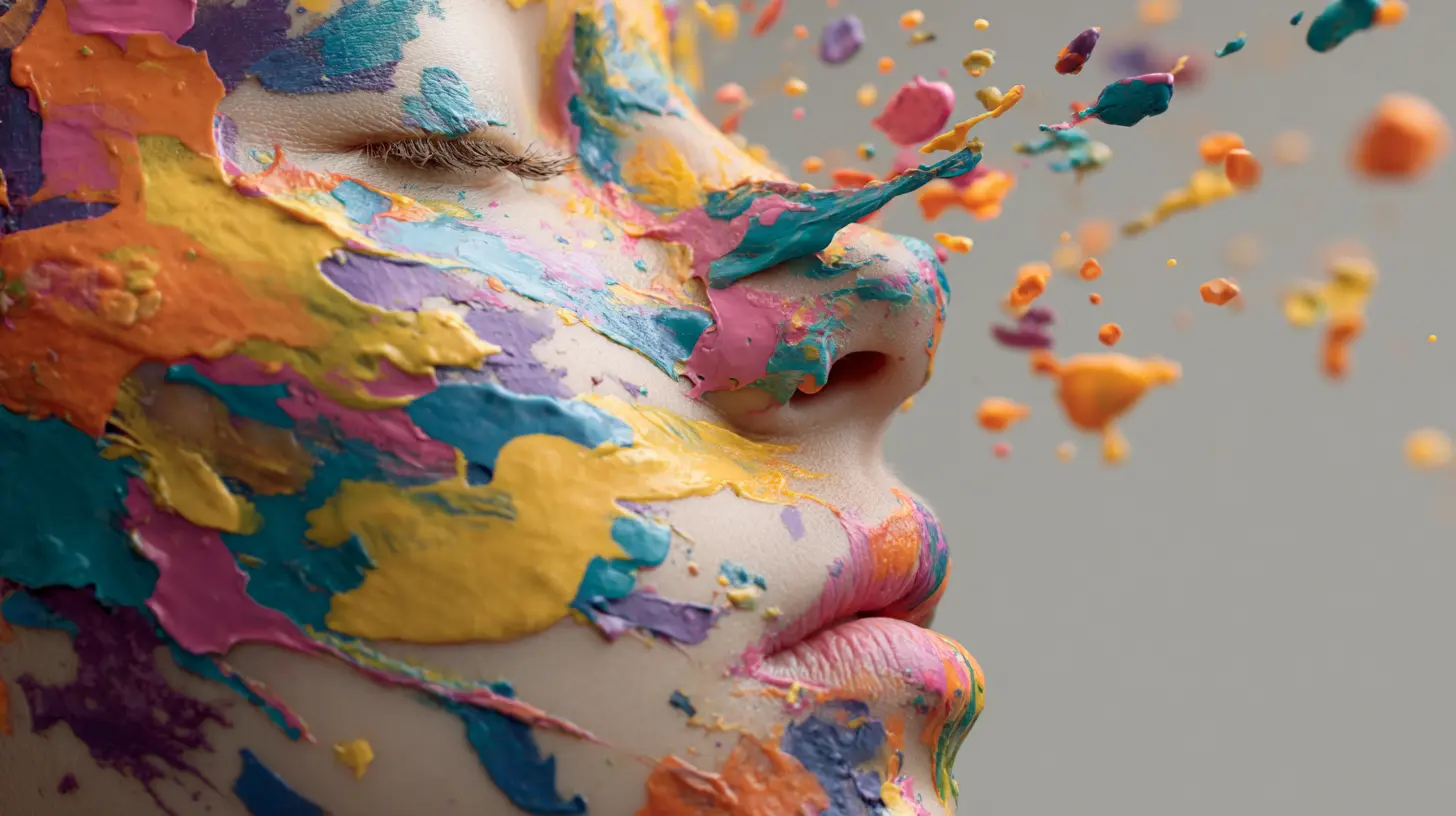
1. Creativity Is a Natural Stress Reliever
Let’s face it—life can be a lot. We juggle work, family, bills, deadlines, and the endless scroll of social media. It’s no wonder people are feeling overwhelmed.But here's the good news: doing something creative can act like a pressure valve for all that emotional buildup.
🖌️ Whether you’re coloring, painting, or writing a poem, engaging in creative activities helps your brain slow down and shift focus. It’s like giving your mind a mini vacation—without even leaving your house.
In fact, a study published in the journal Art Therapy found that just 45 minutes of making art can significantly reduce cortisol levels (that’s your stress hormone).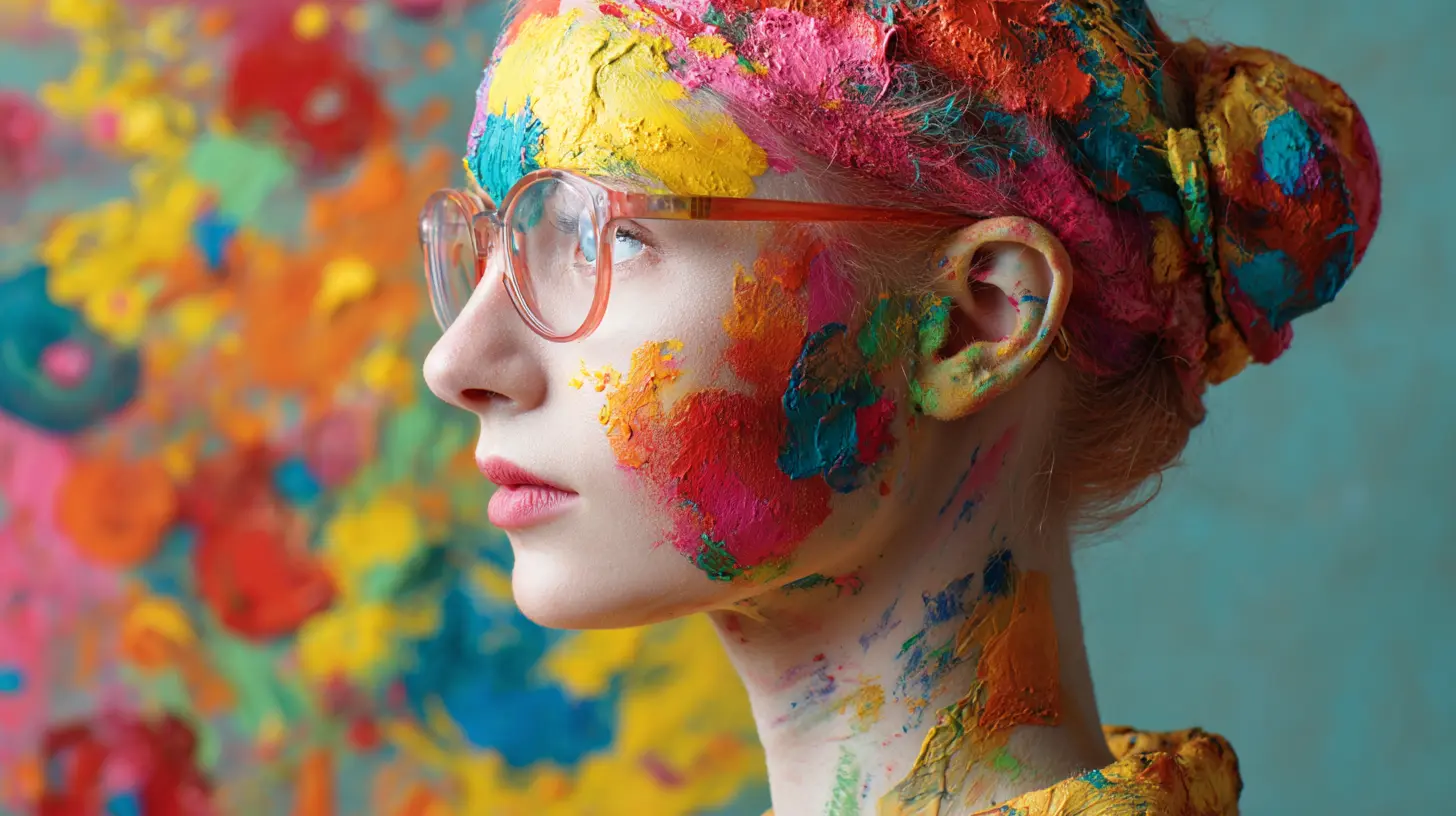
2. Creativity Helps You Understand Yourself Better
Ever tried to explain how you feel and found words just... didn't cut it?That’s where creative self-expression steps in.
Journaling, drawing, or playing music gives you another language to say how you feel. You don’t even need to fully understand your emotions to begin. Often, the act of creating helps you find clarity.
Think of creativity as a mirror that reflects what’s going on inside. You might discover feelings you didn’t know you had—or ones you’ve been avoiding. It’s not always comfortable, but it's deeply healing.
3. It Boosts Confidence and Self-Esteem
Remember how proud you felt the first time you made something all by yourself, even if it was just a lopsided clay bowl or an awkward dance move? That’s empowerment.When you create, you own something uniquely you. It’s a powerful reminder that you’re capable—that you have ideas and talents worth sharing.
Even better? Unlike many areas of life that are judged by strict standards, creativity is subjective. There's no right or wrong. So it becomes a safe space to take risks, make mistakes, and still feel proud.
Over time, this builds a quiet kind of confidence: the kind that says, "Hey, I may not have it all figured out, but I can make something out of nothing."
4. Creativity Improves Mental Health
You don’t need a diagnosis to benefit from better mental health. We all have emotional highs and lows, and creativity can help smooth out the bumps.There’s growing research showing how art therapy, music therapy, and expressive writing can help people cope with depression, anxiety, PTSD, and trauma. But you don’t have to be in therapy to use creativity as a tool for emotional resilience.
Next time you're feeling emotionally heavy, grab a notebook, sketchpad, or even your voice recorder and let your thoughts flow. It doesn’t have to be pretty. It just has to be real.
5. Creativity Strengthens Your Relationships
This might surprise you, but creativity isn’t just a solo act.Sharing your creative side—whether that’s cooking a special meal, writing a poem for a friend, or collaborating on a playlist—can deepen your connections with others.
When you express yourself openly, you give others permission to do the same. That vulnerability? It builds trust. Plus, engaging in creative activities with others increases oxytocin, the "bonding" hormone.
So yeah, your next paint-and-sip night or songwriting jam session could actually be a relationship booster.
6. It Encourages Problem-Solving and Flexibility
Life rarely goes as planned—so it pays to be flexible.Creativity trains your brain to view problems from multiple angles. When you're used to experimenting, making mistakes, and adapting, you're naturally more resilient in real life.
Ever tried to fix something around the house with duct tape and sheer willpower? That’s creative problem-solving in action. And the more you flex that creative muscle, the better you become at facing uncertainty without freaking out.
7. Being Creative is a Mindfulness Practice
Mindfulness isn’t only about sitting cross-legged and chanting “om.” It’s about being fully present.When you’re knee-deep in painting, writing music, or dancing—you are there. Past and future disappear. That’s mindfulness. And it helps reduce anxiety, increase focus, and promote a general sense of peace.
So if meditation isn’t your thing, don’t worry. Your art, your garden, your journal? They can be your practice.
But What If I'm "Not Creative"?
Let me stop you right there.“Not creative” is a myth. Yep, I said it.
You were born creative. (Ever watched a toddler pretend a banana is a phone?) That spark doesn’t go away—it just gets buried under adulting, perfectionism, and fear of judgment.
You don’t need to paint like Picasso or write like Maya Angelou to be creative. Start where you are, with what you love. Try:
- Doodling in your planner
- Writing silly poems
- Rearranging your space
- Trying a new recipe
- Taking aesthetic photos of your coffee
Start small, stay curious, and ditch the pressure. It's not about being "good." It's about being you.
Making Creativity Part of Your Daily Life
Ready to bring more creativity and self-expression into your world? Here are a few quick tips:1. Schedule Creative Time
Even 15 minutes a day can make a difference. Treat it like a coffee break for your brain.2. Keep a Creativity Journal
Jot down ideas, doodles, memories, dreams—whatever bubbles up. No rules, no judgment.3. Try New Things
Take a pottery class, dance around your kitchen, vlog your thoughts, write letters to your future self. The more you experiment, the more you learn about yourself.4. Practice Imperfection
Let go of the need to be perfect. Messy is real. Messy is beautiful.5. Share (If You Want To!)
Sometimes putting your creativity out into the world—whether it’s social media, open mic night, or just a group chat—can be incredibly freeing. But it’s totally okay to keep it just for you too.Final Thoughts
Here’s the bottom line: creativity and self-expression aren’t luxuries. They’re necessities. Just like exercise trains your body, creativity strengthens your mind.They help you manage stress, understand yourself, boost confidence, nurture relationships, and bounce back when life throws you curveballs.
And the best part? There’s no one-size-fits-all. Your creativity is yours—and it’s waiting to be unleashed.
So go ahead, pick up that paintbrush, write that poem, sing in your car, or dance like nobody’s watching. Your brain—and your soul—will thank you.
all images in this post were generated using AI tools
Category:
Psychological Well BeingAuthor:

Christine Carter
Discussion
rate this article
1 comments
Anabella Murphy
This article beautifully highlights how creativity and self-expression can enhance mental well-being. Engaging in creative activities not only reduces stress but also fosters a deeper understanding of oneself. It's a powerful reminder of the importance of nurturing our creative sides.
July 4, 2026 at 4:47 PM
Christine Carter
Thank you for your thoughtful comment. I'm glad you found the article resonates with the impact of creativity on mental well-being. It's truly transformative.