The Influence of Mental Health Disorders in Criminal Defense
14 March 2026
Alright, let’s dive into one of those murky, tangled webs where psychology and law bump heads – sometimes awkwardly, and sometimes with eye-opening revelations. We're talking about the influence of mental health disorders in criminal defense. Yep, that’s a mouthful. But stick with me. This one’s part crime drama, part mental health awareness, and all very real.
So, picture this: someone commits a crime. Naturally, the police get involved, investigations unfold, and eventually, we land in a courtroom. But here’s the twist—what if the person who did the crime wasn’t exactly in their right mind? What if their mental health was more than just a background footnote and actually played a starring role in the events that happened?
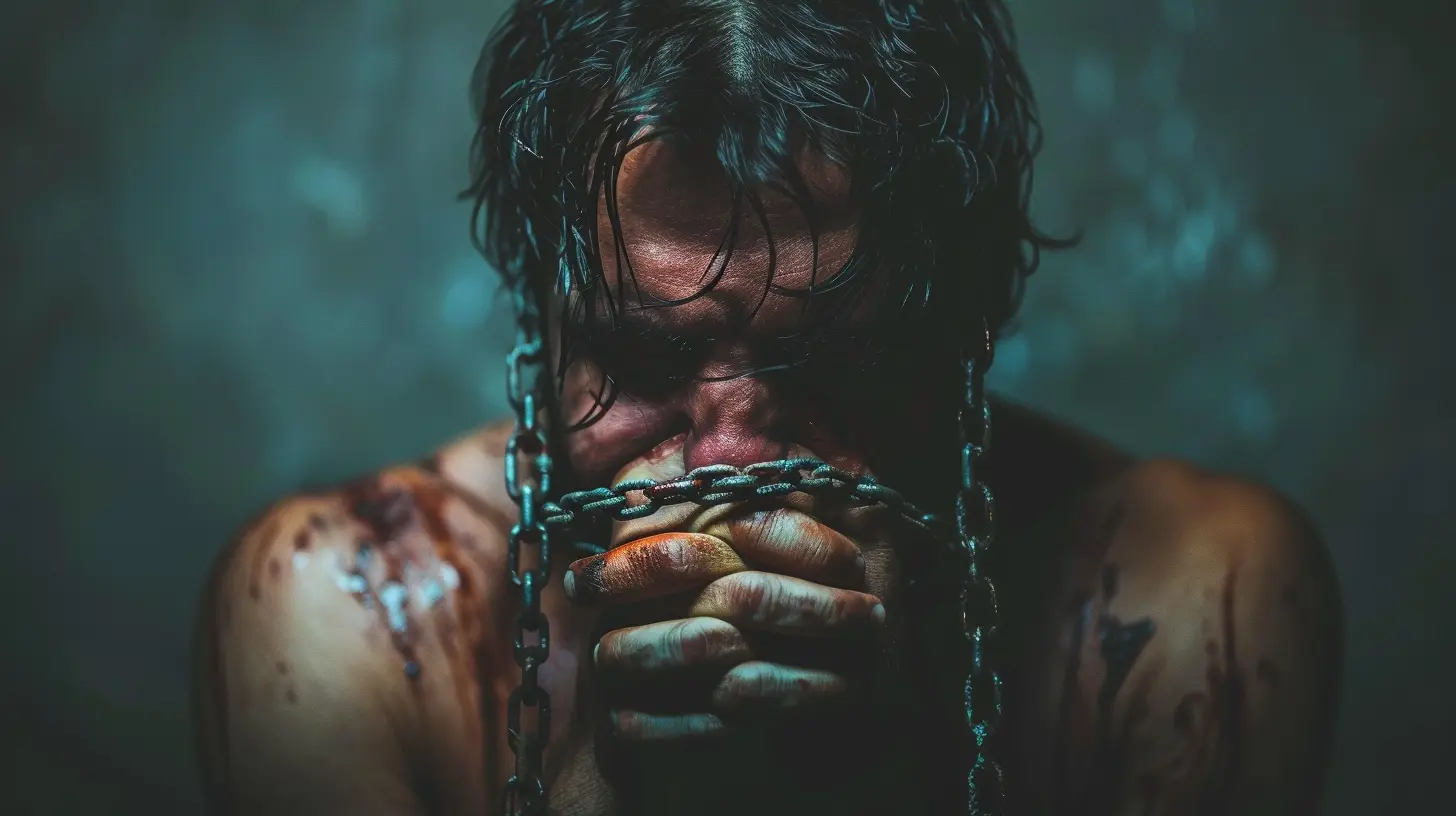
Mental Health and Criminal Responsibility — A Complicated Relationship
Let’s kick things off with a big question: should someone be held fully responsible for a crime if they weren’t mentally sound at the time? The answer isn’t simple, mainly because mental health isn’t black or white—it's a swirling rainbow of gray areas, symptoms, diagnoses, and life experiences.Mental disorders can cloud judgment, distort reality, and impair control. When a person’s brain isn’t functioning properly, their ability to understand or follow the law may be compromised. And that’s where criminal defense lawyers raise the mental health flag.
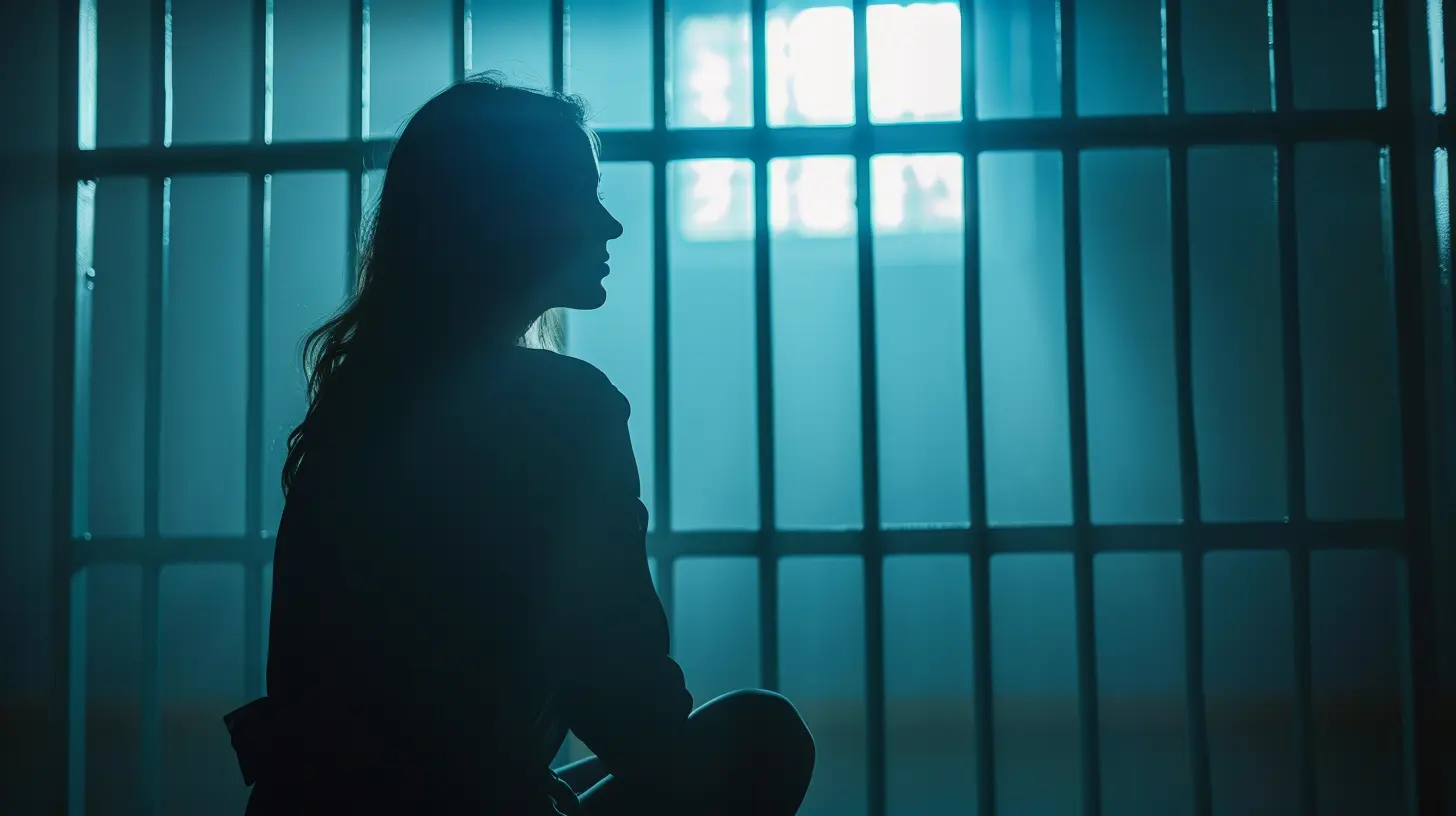
Insanity Defense: No, It’s Not Just a Movie Plot
We’ve all seen it in movies—a defense attorney standing up dramatically and shouting, “My client pleads not guilty by reason of insanity!” Cue the gasp from the jury. But in real life, it’s not about theatrics. The insanity defense is a legal strategy used when a defendant didn’t understand what they were doing or didn’t know it was wrong due to a serious mental disorder.But here’s the kicker: it’s rare. Super rare. Like unicorn-rare.
Why? Because it’s tough to prove. Mental health is invisible—there’s no X-ray or blood test that screams "insanity." Instead, the defense has to rely on psychological evaluations, expert witness testimonies, and lots (and we do mean lots) of courtroom debate.

Common Mental Health Disorders Seen in the Courtroom
Certain mental illnesses pop up frequently in criminal defense cases. Let’s take a look at a few usual suspects:Schizophrenia
This one's a biggie. Schizophrenia messes with how people think, feel, and behave. Hallucinations, delusions, and disorganized thought processes can lead someone down a dark road where reality bends and legal boundaries blur.Bipolar Disorder
During manic episodes, people with bipolar disorder might act impulsively or aggressively, with little understanding of the consequences. These episodes aren’t just “mood swings”—they can be extreme shifts that completely alter someone’s behavior.PTSD (Post-Traumatic Stress Disorder)
Often seen in military veterans or survivors of abuse, PTSD can result in intense flashbacks or emotional outbursts. In the wrong set of circumstances, this can contribute to criminal behavior, especially when someone feels threatened or triggered.Personality Disorders (Like Antisocial and Borderline)
Antisocial Personality Disorder often gets associated with criminal behavior due to a lack of empathy and disregard for rules. But Borderline Personality Disorder, though different in nature, can also lead to impulsive actions during periods of emotional instability.
Are We Excusing Crime or Understanding It?
Let’s get real for a sec. Some people hear “mental health defense” and instantly think it's a slick trick to avoid jail time. But that’s not the vibe at all. The goal isn’t to excuse crime but to understand the mental state of the person when they committed it.Think of it this way: If someone’s brain is broken, punishing them the same as someone who acted with full awareness and intent might not be just or effective. It’s all about striking a balance between justice and compassion.
Competency to Stand Trial – A Whole Different Ball Game
Here’s a twist: even if someone did commit a crime, they can’t be tried in court unless they’re mentally competent to participate in their own defense.This means they have to understand the charges against them, the role of courtroom players (judge, prosecutor, defense attorney), and they must be able to assist in their own defense. If they can’t? Treatment first, trial later.
Basically, if someone’s too mentally unwell to even know what’s going on in court, the legal process hits pause.
Civil Commitment vs. Prison Time
In cases where someone is found “Not Guilty by Reason of Insanity,” they don’t just walk free and skip into the sunset. Nope. They're typically committed to a mental institution, sometimes for longer than they’d have been in prison.Here’s the truth bomb: mental health treatment facilities aren’t easy escapes. They’re controlled, secure, and geared toward treatment, not punishment. It’s not a get-out-of-jail-free card; it’s a different path with its own challenges.
The Role of Psychologists in Court
Psychologists and psychiatrists are basically the MVPs behind the scenes in these cases. They do psychological evaluations, administer tests, interview defendants, and often testify as expert witnesses.They help the court understand what’s going on inside someone’s head, which—let’s face it—isn’t something the average judge or jury member is trained to interpret.
So, yeah—when it comes to the influence of mental health disorders in criminal defense, you can’t underestimate the importance of these mental health professionals.
Case Studies That Shaped Public Opinion
Let’s throw a spotlight on a couple of headline-making cases, shall we?- John Hinckley Jr. – He shot President Reagan in 1981 and was found not guilty by reason of insanity. The public outcry? Massive. It led to tighter restrictions on the insanity defense and sparked national debate.
- Andrea Yates – In 2001, she drowned her five children while suffering from severe postpartum psychosis. Initially convicted, her sentence was later overturned, and she was found not guilty by reason of insanity. Her case highlighted the devastating, and often misunderstood, power of mental illness.
The Jury’s Dilemma
Imagine being on a jury and hearing that the defendant has schizophrenia or bipolar disorder. Immediately, you're caught in a mental tug-of-war, trying to balance logic with empathy.Do you follow your gut? The law? The psychiatrist's testimony? What if you're not convinced? Should the person be punished—or helped?
Yeah, it’s not easy. Jurors are human too, and grappling with the nuances of mental illness is no small task. That’s why clear, honest, and expert-driven communication is key in these trials.
Why This Matters (Spoiler: It Impacts All of Us)
Mental health isn't an isolated issue. It doesn’t only affect "those people over there." It affects neighbors, friends, family—and yep, even you and me.When someone's mental illness goes untreated, the ripple effects can reach far beyond their own life. It can impact public safety, strain community resources, and tear families apart.
Investing in mental health care, training law enforcement to handle crises better, and being willing to understand rather than judge—these steps aren’t just good ideas. They’re necessities.
Wrapping It All Up (With a Bow of Empathy)
So, where do we land with all this?Mental health disorders can have a major influence in criminal defense, but it’s not about making excuses. It’s about figuring out what really happened, why it happened, and how best to respond in a way that’s fair, just, and humane.
We’re not talking about bad people. We’re talking about sick people who did bad things. There’s a difference—and recognizing that difference is what brings progress, not just punishment.
Yes, the legal system isn’t perfect. And no, we don’t want to excuse harmful behavior. But we also can’t ignore the very real impact of mental illness on human behavior.
At the end of the day, justice should have a heart. And understanding mental health is a big, necessary step toward making sure it does.
all images in this post were generated using AI tools
Category:
Forensic PsychologyAuthor:
Christine Carter
Discussion
rate this article
2 comments
Dean Lawrence
Understanding mental health is crucial for fair legal outcomes.
June 28, 2026 at 4:16 PM
Christine Carter
I completely agree. Recognizing mental health can make a significant difference in the justice system and ensure fair treatment for all individuals involved.
Wilder McLanahan
This article raises fascinating questions about the intersection of mental health and criminal justice. Understanding how mental health disorders influence legal outcomes can reshape our approach to justice and rehabilitation. I'm curious to learn more about specific cases where these factors played a crucial role.
March 19, 2026 at 4:49 PM
Christine Carter
Thank you for your insightful comment! I appreciate your interest in specific cases; I'll be sure to explore that in future discussions and articles.