The Complex World of Personality Disorders: Breaking Down the Myths
23 September 2026
Personality disorders — just hearing the term can stir up various misconceptions, stereotypes, and myths. It’s a topic that is often misunderstood, feared, or dismissed. But what exactly are personality disorders? Are they as rare or dangerous as some people believe? And how can we better understand them?
In this article, we'll take a deep dive into the complex world of personality disorders, uncovering the truth behind the myths and shedding light on the realities of living with these conditions. We'll take a journey through both the clinical aspects and the human experiences, and hopefully, by the end, you'll feel a little more informed and a lot less confused.
What Are Personality Disorders?
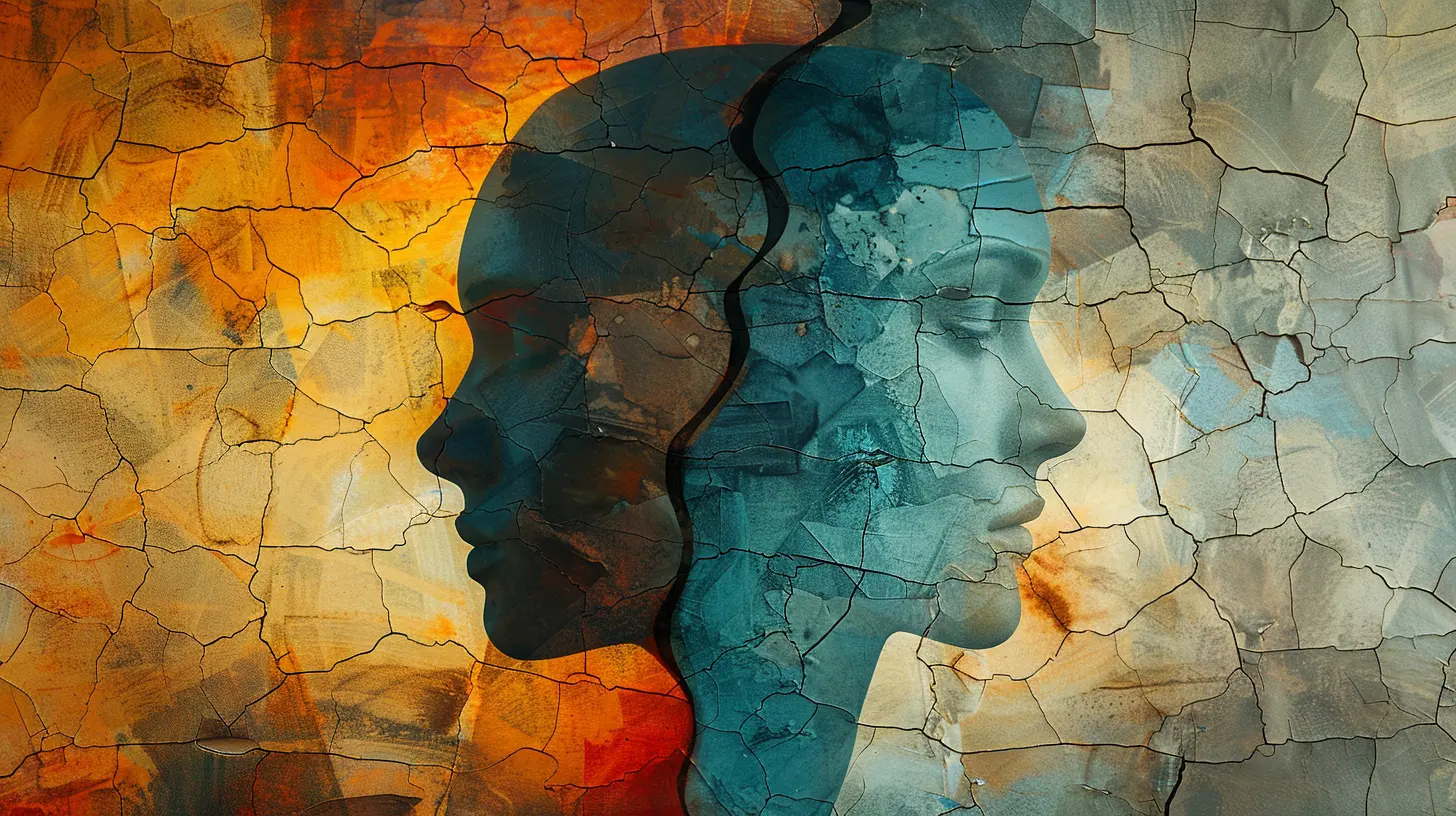
Let’s start with the basics. A personality disorder is a type of mental health condition where an individual’s thoughts, feelings, and behaviors differ significantly from societal expectations. These differences can be deeply ingrained, affecting how someone perceives themselves, others, and the world around them.Unlike temporary emotional states like anxiety or sadness, personality disorders are typically long-lasting and can impact various facets of life, including relationships, work, and daily functioning. However, it’s important to note that not everyone with a personality disorder will experience severe difficulties — the severity can range widely from person to person.
Types of Personality Disorders
Personality disorders are generally grouped into three clusters, based on the patterns of behavior and emotion they present:1. Cluster A (Odd or Eccentric Disorders):
- Paranoid Personality Disorder: Distrust and suspicion of others.
- Schizoid Personality Disorder: Detachment from social relationships and a limited range of emotional expression.
- Schizotypal Personality Disorder: Acute discomfort in close relationships, cognitive or perceptual distortions, and eccentric behavior.
2. Cluster B (Dramatic, Emotional, or Erratic Disorders):
- Antisocial Personality Disorder: Disregard for the rights of others, often resulting in deceit or manipulation.
- Borderline Personality Disorder (BPD): Instability in relationships, self-image, and emotions.
- Histrionic Personality Disorder: Excessive emotionality and attention-seeking behavior.
- Narcissistic Personality Disorder: Grandiosity, a need for admiration, and a lack of empathy.
3. Cluster C (Anxious or Fearful Disorders):
- Avoidant Personality Disorder: Social inhibition, feelings of inadequacy, and hypersensitivity to criticism.
- Dependent Personality Disorder: Excessive need to be taken care of, leading to submissive or clinging behavior.
- Obsessive-Compulsive Personality Disorder (OCPD): Preoccupation with orderliness, perfectionism, and control.
So, why are there so many myths surrounding these conditions? Much of it comes down to misinformation, stigma, and the portrayal of these disorders in media and everyday language.
Breaking Down the Myths
Myth #1: "People with Personality Disorders Are Dangerous"
This is one of the most damaging myths about personality disorders. Sure, you've probably seen movies where the "villain" is someone with a personality disorder, but these portrayals are usually dramatized for entertainment value. The reality is quite different.Most individuals with personality disorders are not violent or dangerous. In fact, they are more likely to harm themselves or experience emotional distress than to harm others. For example, while Borderline Personality Disorder is often associated with emotional instability, people with BPD are more likely to experience intense feelings of abandonment or fear than to act out violently.
Myth #2: "Personality Disorders Are Just Bad Character Traits"
This one couldn’t be further from the truth. Personality disorders are not a reflection of someone's character or morality. They are mental health conditions that result from a complex mix of genetics, brain chemistry, and life experiences, such as trauma.Saying that someone with Antisocial Personality Disorder is simply "bad" ignores the deeply rooted psychological and neurobiological factors at play. It’s like blaming someone with diabetes for their insulin levels — it’s not about character, it’s about health.
Myth #3: "Personality Disorders Can't Be Treated"
While it’s true that personality disorders are long-lasting and may be difficult to treat, they are by no means untreatable. In fact, many people with personality disorders benefit enormously from therapy, medication, or a combination of both.Dialectical Behavior Therapy (DBT), for example, has shown great success in treating Borderline Personality Disorder, helping patients manage emotional regulation, distress tolerance, and interpersonal relationships. Cognitive Behavioral Therapy (CBT) and other forms of psychotherapy have also been effective in addressing personality disorders like Avoidant Personality Disorder.
It’s not about “curing” personality disorders but about managing symptoms and improving quality of life. With the right support, people with personality disorders can lead fulfilling lives.
Myth #4: "Everyone Has a Personality Disorder These Days"
This myth stems from the overuse of clinical terms in everyday language. How often have you heard someone say, “She’s so OCD” when referring to someone who’s just neat and organized? Or “He's so antisocial” when someone prefers to stay in for the night?Using these terms incorrectly dilutes their meaning and creates confusion. Personality disorders are not just exaggerated versions of normal personality traits; they are serious conditions that cause significant impairment in daily functioning. Not everyone who is anxious is “Avoidant," and not everyone who is self-centered has “Narcissistic Personality Disorder.”
Myth #5: "People with Personality Disorders Can't Have Healthy Relationships"
Relationships can be challenging for anyone, but having a personality disorder doesn’t mean someone is doomed to a life of isolation or toxic relationships. It’s true that people with personality disorders may face more challenges in relationships, such as issues with trust, emotional regulation, or communication, but this doesn’t mean they can’t have healthy, meaningful connections.With the right treatment and coping strategies, many individuals with personality disorders can improve their interpersonal skills and build strong, lasting relationships. It takes work, but then again, don't we all have to work on our relationships?

The Human Side of Personality Disorders
It’s easy to get caught up in the clinical definitions and symptoms, but it’s important to remember that behind every personality disorder is a person — someone with feelings, desires, and goals. Living with a personality disorder can feel like walking through life in a fog, with everyday interactions feeling a little more challenging, a little more confusing.Imagine trying to navigate relationships when you’re constantly second-guessing whether someone’s going to leave you, as is often the case with Borderline Personality Disorder. Or imagine being so preoccupied with perfectionism and control, as seen in Obsessive-Compulsive Personality Disorder, that you can’t enjoy simple moments of relaxation.
It’s not just about the disorder — it’s about the person living with it. And that’s why understanding, empathy, and education are so important.

What Can You Do?
If you or someone you know is living with a personality disorder, the first step is to seek professional help. Whether it’s therapy, medication, or support groups, there are options out there. And just as importantly, try to educate yourself and others. Dispelling myths and reducing stigma can go a long way in creating a more compassionate and understanding world for those with personality disorders.How to Support Someone with a Personality Disorder
- Educate Yourself: Learn about their specific condition and the challenges they may face.- Be Patient: Change doesn’t happen overnight, and recovery is a process.
- Set Boundaries: Supporting someone doesn’t mean sacrificing your own well-being. Healthy boundaries are crucial.
- Encourage Professional Help: Therapy and treatment are essential components of managing personality disorders.
- Practice Empathy: Remember, they didn’t choose to have a personality disorder. Like any other mental health condition, it’s not their fault.
Final Thoughts
Personality disorders are complex, no doubt about it. But they’re also often misunderstood. By breaking down the myths, we can start to see these disorders for what they are: conditions that deserve compassion, understanding, and appropriate treatment.It’s time to move beyond the stereotypes and recognize that people with personality disorders are just that — people. People who are trying to navigate life with a set of challenges that, with the right support, don’t have to define them.
all images in this post were generated using AI tools
Category:
PsychopathologyAuthor:

Christine Carter