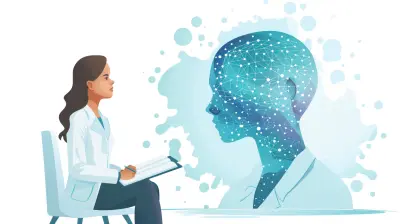
How Psychological Assessments Can Reveal Unconscious Biases
26 January 2026
Let’s talk about something that’s always lurking beneath the surface — unconscious bias. It's sneaky, it's subtle, and believe it or not, we all have it. You might be thinking, "Not me!" But that’s exactly the point. Unconscious biases are, well, unconscious. They live in the shadows of our minds, silently shaping our thoughts, decisions, and behaviors without us even realizing it.
Here's the good news: psychological assessments are like flashlights into those hidden corners of our minds. They help us uncover what's going on beneath the surface — the beliefs, assumptions, and stereotypes that influence us without permission. But how exactly does this work?
Grab a coffee, get comfortable, and let’s unpack how psychological assessments can reveal unconscious biases — and why it actually matters.
What Is Unconscious Bias, Anyway?
Before we dive into assessments, let’s make sure we’re on the same page about what we’re even talking about.Unconscious bias (sometimes called implicit bias) refers to automatic judgments and mental shortcuts that influence how we perceive and interact with people. These biases are the result of brain patterns developed over time through experiences, cultural exposure, and societal conditioning.
We’re not talking about overt racism or sexism here. Unconscious biases are way more subtle — like assuming a woman is less competent in tech, or automatically trusting someone who looks like you. You don’t mean to do it. It just happens.
And that’s the tricky part. Because they're unconscious, we can’t confront them unless we become conscious of them first.
So... Can Psychological Assessments Really Spot These Biases?
Yes. And here’s the cool part — they do it without making you feel judged.Unlike a conversation where someone might feel defensive or misunderstood, assessments can tap into subconscious processes through clever design and indirect questioning. It's like playing a game that uncovers how your brain truly ticks.
Ever heard of the saying, “If you give the mind a mirror, it will often surprise itself”? That’s exactly what some psychological assessments are — mirrors showing us what we didn’t know we believed.
Let’s break down how.
The Science Behind the Test: How It Works
Psychological assessments designed to reveal unconscious bias usually rely on implicit association measures. These methods are crafted to bypass your conscious mind and get to the fast, automatic associations you make.Here’s a simple breakdown:
- Speed = Clue: The faster your brain links two concepts (e.g., “female” and “nurturing”), the more your mind associates the two — even if you say they're unrelated.
- Inconsistencies = Red Flags: When your behavior during a test doesn’t match your self-reported answers, that’s a signal of unconscious bias.
- Repetitive Errors = Patterns: Consistent mistakes point to deep-seated mental scripts, often invisible to the conscious mind.
Okay, let’s get specific.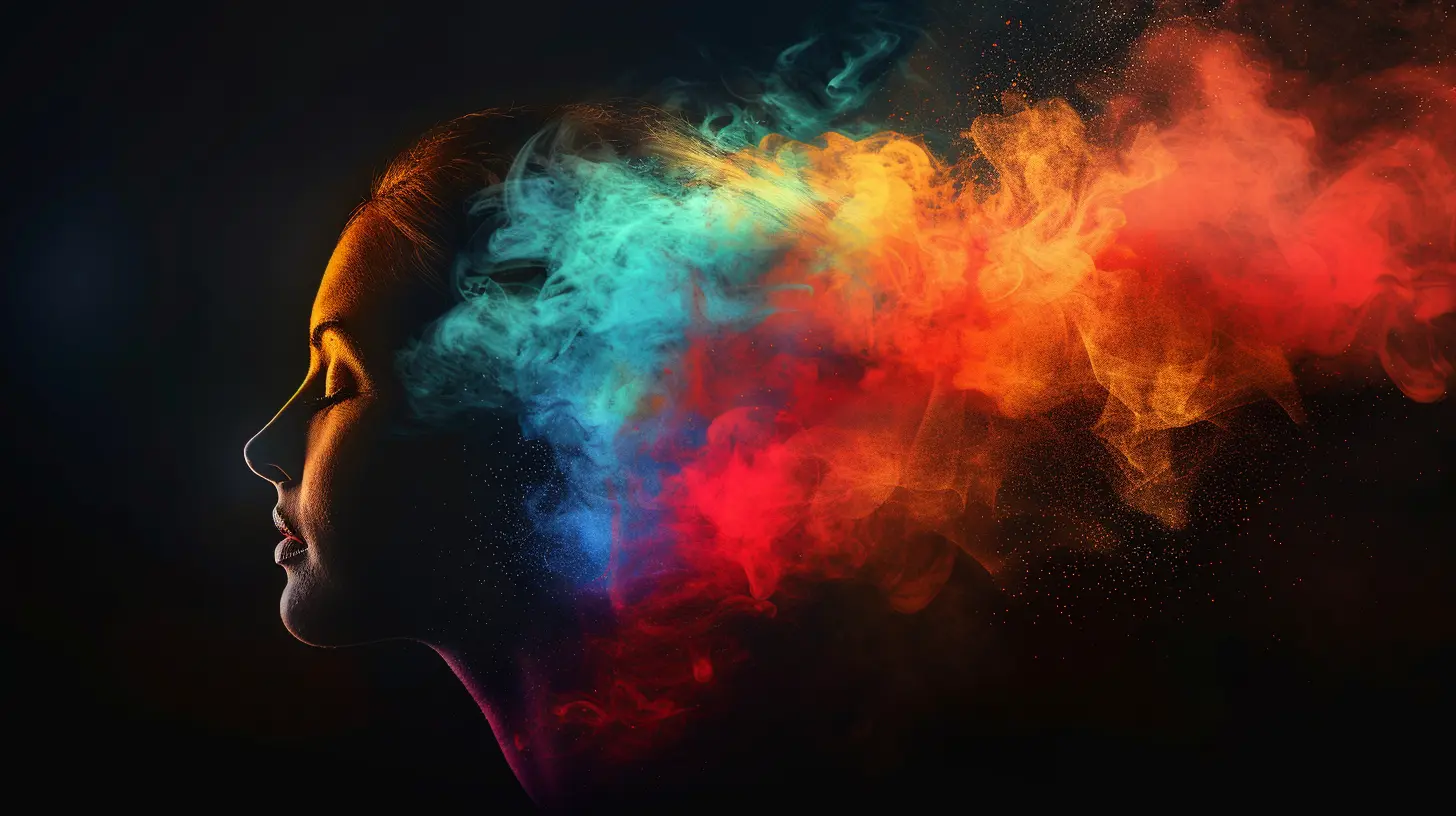
Meet the Top Bias-Busting Assessments
1. The Implicit Association Test (IAT)
This one’s probably the most famous. Developed by researchers at Harvard and other institutions, the IAT measures the strength of associations between concepts (like race or gender) and evaluations (like good or bad).You’re shown a series of images and words — and you have to match them as quickly as possible. Your reaction time tells a story.
It’s not perfect, but it’s eye-opening. It can point out, say, a tendency to associate leadership more strongly with men, even if you consciously believe in gender equality.
Bonus: It’s free and online. Try it out sometime — just be ready to be a little uncomfortable.
2. Project Implicit
This is a broader platform that offers many versions of the IAT — race, religion, age, sexuality, disability, and more. It helps draw a fuller picture of where your implicit biases might lie.3. Situational Judgment Tests (SJTs)
These are hypothetical, real-world scenarios with multiple options you choose from — and your choices reveal deeper preferences or prejudices. They’re subtle, yet effective.Employers often use SJTs during recruitment to evaluate how inclusive a candidate might be in team dynamics. But they also work great in personal development settings.
4. Cultural Competency Inventories
These assessments explore how aware and adaptable you are when it comes to cultural differences. They don’t just test for bias — they pinpoint how well you understand, respect, and respond to diversity.Think of it as a “how woke are you, really?” evaluation — but with science.
Why You Should Even Care About Uncovering Unconscious Bias
Alright, let’s address the elephant in the room: Why bother? If these biases are subconscious and we’re not even aware of them, can they really be that bad?Short answer: yes. Long answer: they seep into every part of life.
In The Workplace
Unconscious bias affects hiring, promotions, evaluations, and team dynamics. A manager might consistently underrate the performance of women or people of color without realizing it. Little by little, this creates a toxic and unequal environment.In Healthcare
Doctors might unintentionally dismiss pain complaints from women or minority patients. That’s not just unfair — it’s dangerous.In Education
Teachers may call on certain students more often, assume lower expectations based on appearance or accent, or discipline some kids more harshly. These subtle behaviors add up.In Everyday Life
Who do you trust with a secret? Who do you avoid in the supermarket aisle? Who seems “safe” or “professional”? Bias drives these everyday decisions.In short, your unconscious mind could be running the show without your permission. And that can hurt others — and limit you.
Turning Awareness Into Action
Knowing you’ve got unconscious bias is just the start. What comes next is where the magic happens.So, what do you do after an assessment reveals a bias?
1. Don't Panic (Or Get Defensive)
Unconscious bias doesn't make you a bad person. It makes you human. The point isn’t to assign guilt — it’s to shine a light. Everyone has blind spots. Now you know where yours are.2. Reflect And Recalibrate
Ask yourself:- Where might this bias be showing up in my life?
- Who might be affected by it?
- How can I interrupt this mental shortcut?
The goal is to move from automatic thinking to intentional action.
3. Practice Mindful Exposure
Spend time with people, stories, and voices that challenge your assumptions. Read books by authors from marginalized communities. Watch documentaries. Listen more than you speak.The brain rewires itself when fed new, diverse input. That’s neuroplasticity at work.
4. Reassess Regularly
Just like physical fitness, bias-awareness isn’t a one-and-done deal. Take assessments again after six months. Has anything shifted? Are new patterns emerging?You wouldn’t go to the gym once and expect a six-pack. Same deal here.
How Companies Can Leverage These Tools
Organizations are increasingly turning to implicit bias assessments — not just to check a diversity box, but to create real cultural change.Here’s how companies can do it right:
- Train First, Then Test: Psychological safety matters. Educate employees on what the assessments are and why they matter before rolling them out.
- Make It Voluntary But Encouraged: Coercion breeds resentment. Curiosity builds growth.
- Normalize The Results: Everyone has bias. Show that it’s okay to admit and address it together.
- Act On The Data: Use the patterns revealed to fix systemic issues — not just individual ones.
Potential Pitfalls To Watch For
Yes, psychological assessments are powerful — but they’re not foolproof.Here are a few things to keep in mind:
- Data Interpretation: A single score doesn’t define you. Bias is complex and context-dependent.
- Over-Reliance: Don’t use assessments as the only tool. Pair them with training, dialogues, and accountability systems.
- Shaming Culture: The goal is growth, not guilt. If people feel accused, they’ll shut down instead of stepping up.
The Bigger Picture: Why It’s Worth It
Becoming aware of your unconscious biases is a bit like putting on glasses after years of blurry vision. Things come into focus. You start seeing people more clearly — and treating them more fairly.Psychological assessments aren’t about labeling you. They’re about liberating you from the beliefs you didn’t even know were running your life. And once you see those beliefs, you get to choose something different.
So, the next time someone brings up unconscious bias, don’t roll your eyes. Get curious. Take an assessment. Start the conversation. It’s uncomfortable at first — and ridiculously empowering later.
After all, how can we truly grow if we don’t know what’s holding us back?
all images in this post were generated using AI tools
Category:
Psychological AssessmentAuthor:
Christine Carter
Discussion
rate this article
2 comments
Riven Martin
Great article! It’s fascinating how psychological assessments can uncover hidden biases. Embracing these insights can lead to personal growth and a more inclusive mindset. Let’s keep exploring our minds and evolving together! 🌟
February 24, 2026 at 4:42 AM
Christine Carter
Thank you! I'm glad you found it insightful. Embracing these assessments is key to personal and collective growth! 🌟
Ardyn Ellison
Unconscious biases are like hidden currents steering our thoughts and actions. Psychological assessments serve as a lighthouse, illuminating these unseen influences and challenging us to confront the uncomfortable truths about ourselves. Only through awareness can we navigate toward a more equitable perspective.
January 27, 2026 at 5:27 AM
Christine Carter
Thank you for your insightful comment! I completely agree that psychological assessments play a crucial role in bringing unconscious biases to light, enabling us to confront and navigate these hidden influences for a more equitable mindset.