The Cognitive Science of Trust: Why We Believe What We Do
14 January 2026
Trust is the glue that holds society together. From relationships to businesses and even entire governments, trust plays a critical role in our decisions and interactions. But have you ever stopped to wonder why we trust certain people, institutions, or information sources more than others? The answer lies deep within our brains.
Cognitive science—the interdisciplinary study of the mind—helps explain how trust is formed, why we believe what we do, and how our brains decide who or what is worthy of our confidence. Let's dive into the fascinating world of trust and unravel the psychology behind our beliefs. 
Why Does Trust Matter?
Before we get into the science, let's address the obvious question: why is trust so important?Trust isn't just an abstract concept; it's a survival mechanism. Early humans had to rely on each other for survival, which meant forming strong social bonds was essential. If you couldn’t trust your group, your chances of thriving (or even surviving) plummeted. Fast-forward to today, and trust is still at the core of our personal relationships, workplaces, and even our reliance on technology.
But trust is fragile. Once broken, it’s incredibly difficult (sometimes impossible) to rebuild. So, what goes on in our brains when we decide to trust—or distrust—someone? 
The Neuroscience of Trust
Trust isn't just a feeling; it's a biological process. Our brains are hardwired to evaluate trustworthiness almost instantly.Oxytocin: The Trust Hormone
One of the biggest players in trust is oxytocin, often called the "love hormone" or "bonding hormone." Oxytocin is released in our brains when we experience social bonding moments—hugging a loved one, engaging in deep conversations, or even shaking hands.Studies have shown that higher levels of oxytocin increase trustworthiness. In one experiment, participants who received an oxytocin nasal spray were more likely to trust others with their money than those who didn’t. However, oxytocin isn’t a magic trust drug—it amplifies the bonds we already feel but doesn't make us gullible.
The Role of the Prefrontal Cortex
The prefrontal cortex (PFC) is another key player when it comes to trust. This part of the brain helps assess risks and rewards, playing a massive role in decision-making. When we evaluate someone’s trustworthiness, the PFC processes past experiences, body language, and verbal cues to determine whether someone is reliable.If the PFC senses red flags—like inconsistencies in someone's story—it triggers skepticism, making us more cautious about trusting that person.
The Amygdala and Fear of Betrayal
While oxytocin encourages trust, another brain structure—the amygdala—acts as a watchdog against betrayal. The amygdala is responsible for processing emotions like fear and anxiety. When we sense potential deception, the amygdala sounds the alarm, making us hesitant.Interestingly, people with amygdala damage tend to be overly trusting because they lack the brain's built-in skepticism filter. This shows that a healthy balance between trust and skepticism is vital for navigating the world safely. 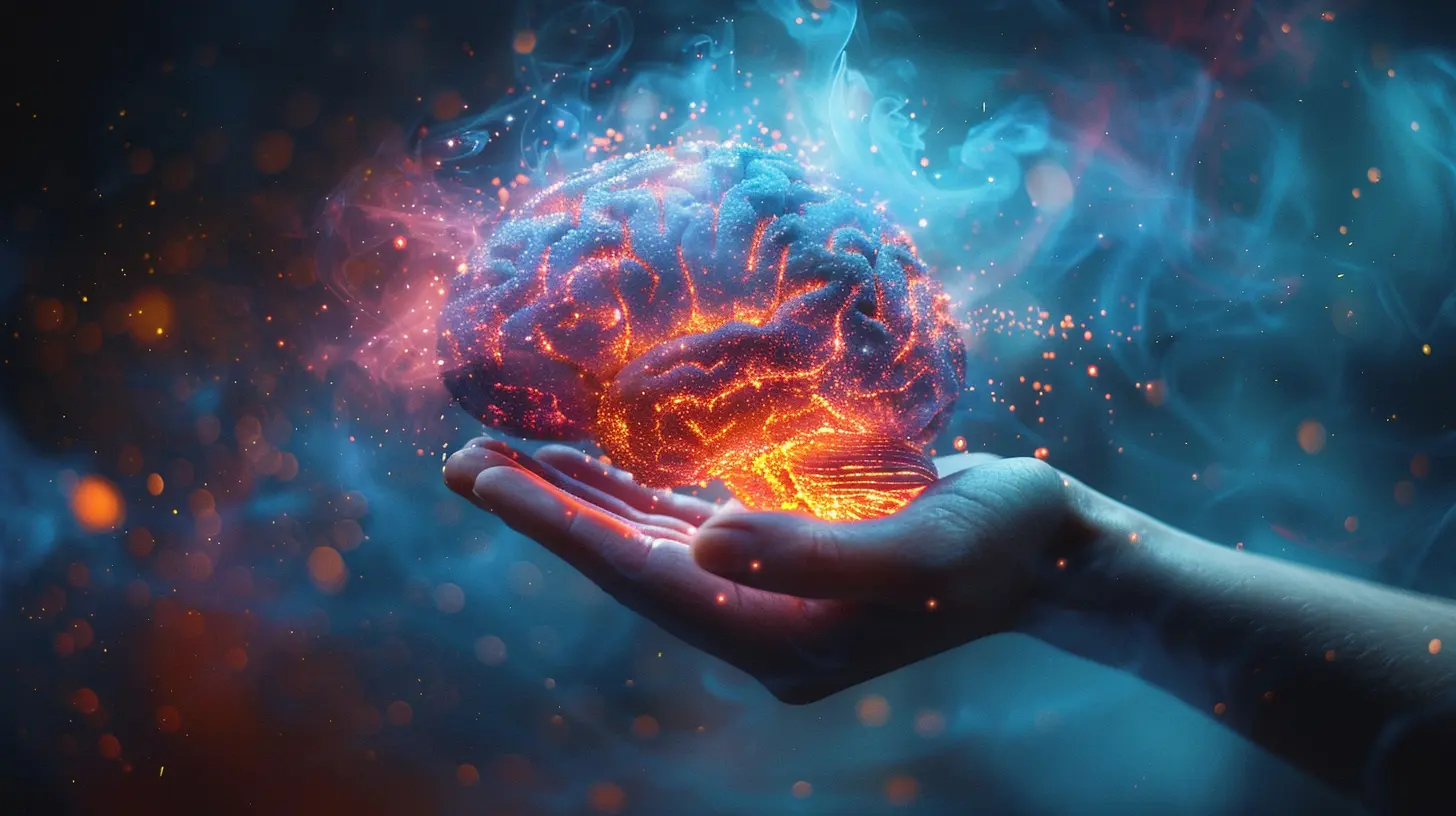
How We Form Beliefs
Now that we've looked at trust, let's examine belief formation. Why do we believe certain things and not others? Cognitive science offers some intriguing answers.The Confirmation Bias Trap
One of the biggest psychological tendencies that influence our beliefs is confirmation bias—the tendency to seek out information that supports what we already believe while ignoring anything that contradicts it.Ever noticed how people with strong political opinions only consume media that aligns with their views? That’s confirmation bias in action. It’s our brain’s way of protecting our existing beliefs, even if they’re flawed.
The Power of Authority and Social Proof
Humans are social creatures. We often look to authority figures and peers when forming beliefs. If a well-known expert endorses something, we’re more likely to believe it. This is why companies use celebrity endorsements and why people trust doctors or scientists without analyzing all the details themselves.Similarly, we rely on social proof—the idea that if many people believe something, it must be true. This is why trends spread so rapidly and why online reviews hold so much power over purchasing decisions.
The Role of Repetition in Belief Formation
Ever heard the phrase, "If you repeat a lie often enough, it becomes the truth"? There’s science behind that. The illusory truth effect describes our brain's tendency to believe information simply because we've heard it multiple times.This is why misinformation spreads like wildfire. Even if something is completely false, repeated exposure makes it feel more believable. 
Trust in the Digital Age
In today’s world, trust is under siege. With deepfake technology, misinformation, and social media manipulation, distinguishing truth from falsehood has never been harder. So, how do our brains handle trust in the digital age?Why Fake News Spreads Fast
Misinformation spreads six times faster than the truth on social media. Why? Because our brains are wired for emotional reactions. False information often triggers strong emotions—fear, anger, shock—which leads to more sharing and engagement.Additionally, our cognitive biases make us more likely to believe and share content that aligns with our pre-existing beliefs. This creates echo chambers, reinforcing misinformation and making it harder to change our minds.
The Rise of Skepticism and Distrust
While humans are naturally inclined to trust, the rise of misinformation has created a climate of extreme skepticism. People are questioning traditional sources of trust—governments, media, and even science.This skepticism can be both good and bad. On one hand, it encourages critical thinking. On the other, it can lead to cynicism, where people trust nothing and fall for conspiracy theories instead.
How to Build and Maintain Trust
Given how essential trust is, how can we build and maintain it in a world filled with deception and misinformation?Be Consistent
Consistency is key to trust. Whether in personal relationships or business, people trust those who are reliable and predictable. Flip-flopping on commitments or opinions creates doubt.Communicate Transparently
Honesty and transparency go a long way in establishing trust. Being upfront about mistakes, intentions, and decisions fosters credibility. People appreciate honesty—even when the truth isn’t what they want to hear.Fact-Check Information
With misinformation running rampant, verifying facts before believing or sharing them is crucial. Always check sources and avoid relying on sensationalized headlines.Foster Critical Thinking
Instead of blindly trusting or distrusting, practice critical thinking. Question information without falling into extreme skepticism. A healthy level of doubt without paranoia is the sweet spot.Final Thoughts
Trust and belief are deeply rooted in our biology and psychology. From the influence of oxytocin on social bonding to the power of confirmation bias, our cognitive processes shape who and what we trust.In a world where misinformation is at an all-time high, understanding the cognitive science of trust gives us the tools to navigate information more wisely. By fostering critical thinking, valuing transparency, and being aware of our own biases, we can make better decisions about whom and what to believe.
So next time you find yourself instinctively trusting or doubting something, take a step back and ask: is my brain leading me in the right direction?
all images in this post were generated using AI tools
Category:
Cognitive ScienceAuthor:

Christine Carter
Discussion
rate this article
2 comments
Buzz Mullen
Trust is the invisible currency of human connection; understanding its cognitive roots unravels why we place our faith in certain ideas, people, and experiences—often more instinctively than rationally.
February 4, 2026 at 4:52 AM
Christine Carter
Thank you for your insightful comment! Trust indeed operates on both instinctive and rational levels, shaping our connections and beliefs in profound ways.
Monica Martin
In the dance of minds, trust weaves its thread, A tapestry of thoughts where shadows are shed. Cognitive whispers guide our belief's embrace, In the realm of the heart, logic finds its place. Understanding trust, we unveil the invisible grace.
January 19, 2026 at 4:48 AM
Christine Carter
Thank you for your poetic insight! Trust truly is a complex interplay of cognition and emotion, shaping our beliefs in profound ways.