Psychopathology in Adolescence: How Teen Years Can Shape Mental Health
7 August 2026
Let’s face it—being a teenager is no walk in the park. Between the emotional rollercoaster rides, peer pressure, hormonal chaos, and figuring out who they are, it's no surprise that adolescence is such a crucial time for mental health development. But what we often miss is how these years can actually set the foundation for long-term psychological wellness—or illness. That’s right, the teen years are way more than awkward growth spurts and acne. They’re the make-or-break period for future mental health.
Welcome to adolescence, where everything changes, including the brain. This article dives deep into psychopathology in adolescence, unpacking how these formative years shape the mental landscape of adulthood.
🧠 What Exactly Is Psychopathology?
Before we jump into the teen years, let’s get our terms straight. Psychopathology is a fancy word for the study of mental disorders and abnormal behaviors. It covers everything from anxiety and depression to more serious conditions like schizophrenia or bipolar disorder.Now, when we bring adolescence into the mix, we’re talking about the emergence—or early signs—of these psychological challenges. Some may be temporary storms, others can evolve into long-term mental health disorders. The key is recognizing what’s normal "teen behavior" and what might need professional attention.
🕰 Why Adolescence Is a Critical Window
Ever heard that the brain doesn’t fully develop until the mid-20s? That’s no joke. The adolescent brain is still under construction, especially the prefrontal cortex—the part responsible for decision-making, impulse control, and emotional regulation.Think of adolescence as a renovation project. The brain is tearing down old walls, rewiring outdated circuits, and building new rooms. But during this chaotic remodeling phase, vulnerability to mental health disorders spikes. In fact, about 75% of all lifetime mental illnesses begin before the age of 24, with many showing signs in the teen years.
🎢 Hormones, Stress & High School Drama: A Perfect Storm
Teenagers are often portrayed as moody or dramatic, but there’s a real biological reason for that. Hormones like estrogen and testosterone surge during puberty, and these shifts directly affect mood and behavior. Pair that up with academic pressure, social media comparisons, evolving identities, and first loves (and heartbreaks), and it’s no surprise teens are emotionally overwhelmed.Stress, especially chronic stress, can alter brain structure. Yeah, it’s that serious. It affects the hippocampus (memory), the amygdala (fear), and the frontal lobe (decision-making). When teens face ongoing emotional strain, it can make them more vulnerable to developing anxiety, depression, or other mental health issues.
🧩 Common Adolescent Mental Health Disorders
Let’s break down some of the most common forms of psychopathology that rear their heads during adolescence:1. Depression
This isn’t just “feeling down” for a day or two. Clinical depression in teens can look like persistent sadness, loss of interest in fun activities, low self-esteem, changes in sleep or appetite, and even thoughts of self-harm or suicide.2. Anxiety Disorders
From generalized anxiety disorder (GAD) to panic attacks and social anxiety, teens can experience intense, irrational fears that interfere with daily life. Often, these issues fly under the radar because they’re misinterpreted as shyness or immaturity.3. Attention-Deficit/Hyperactivity Disorder (ADHD)
Although often diagnosed in childhood, ADHD symptoms can continue in adolescence and sometimes worsen under academic or social stress. Common signs include inattention, impulsivity, and hyperactivity.4. Eating Disorders
Anorexia, bulimia, and binge-eating disorder can start as early as age 12. With cultural pressure to look a certain way, body image issues frequently push teens toward unhealthy—and dangerous—ways of coping.5. Substance Use Disorders
Experimentation is common during the teen years, but repeated use of drugs or alcohol can quickly lead to dependency, especially if the teen is using substances as a form of self-medication.6. Self-Harm & Suicidal Ideation
This is where things get really serious. Self-injurious behaviors (cutting, burning, etc.) and suicidal thoughts or attempts shouldn't be brushed off as "attention-seeking." They are clear signs that a teen is struggling and needs help.🍎 Nature, Nurture, or a Bit of Both?
Is it just bad luck or genetics if a teen develops a mental health issue? Or is it more about their environment? Spoiler alert: it’s both.- Genetic Factors
If mental illness runs in the family, the odds go up. But genetics aren’t destiny—they’re more like the cards you’re dealt. How you play them (or how your environment shapes you) makes a big difference.- Environmental Triggers
Abuse, neglect, bullying, academic pressure, and even social media can act as catalysts. Long-term exposure to stress or trauma can actually change brain chemistry, making a teen more vulnerable to psychopathology.👨👩👧 The Role of Family and Support Systems
Parents, guardians, teachers—this one’s for you. Teens may act like they don’t need you, but supportive adults can make all the difference.Consistent emotional support, open lines of communication, and creating a safe, non-judgmental space can be life-saving. On the flip side, dysfunctional family dynamics, criticism, or neglect can deepen emotional wounds and leave long-lasting scars.
🌍 How Culture and Society Influence Teen Mental Health
Culture shapes what’s acceptable to feel, express, or share. Some cultures may stigmatize mental health, discouraging teens from opening up. Social expectations, gender norms, and economic factors also play a big role in teen psychopathology.And let’s not forget the digital world. Social media can connect teens, but it also fuels comparison, cyberbullying, and unrealistic expectations. It's like living in a fishbowl, where every move is watched and judged.
🔍 Spotting Early Warning Signs
How do you know if a teen is struggling with something deeper than typical teenage angst? Here are some red flags:- Sudden mood swings or irritability
- Withdrawing from friends and family
- Declining performance at school
- Changes in eating or sleeping patterns
- Expressing hopelessness or worthlessness
- Engaging in risky behaviors
- Talking about death or self-harm
Trust your gut. If something feels “off,” it probably is. Don’t wait for symptoms to "go away"—early intervention is key.
🧰 Coping Skills and Prevention Strategies
The good news? There’s a lot we can do to support teens and set them on the right mental health track.- Build Emotional Intelligence
Teach teens to recognize and manage emotions. Journaling, mindfulness, and open dialogue help build awareness and resilience.- Prioritize Sleep and Nutrition
A tired, undernourished brain can’t cope well. Aim for 8–10 hours of sleep and balanced meals packed with nutrients.- Encourage Physical Activity
Exercise isn’t just for the body—it seriously boosts mood and brain function. Even a 20-minute walk can do wonders.- Limit Screen Time
Set healthy boundaries around devices. Encourage tech-free zones and face-to-face interactions.- Promote Healthy Relationships
Help teens build supportive friendships and model respectful relationships. A strong social network acts as a buffer against stress.- Seek Professional Help When Needed
Therapists, school counselors, and psychologists are trained to help teens navigate their mental health. Don’t hesitate to ask for help—it’s a strength, not a weakness.💬 Talking to Teens About Mental Health
One of the hardest—but most important—things is starting a conversation. So how do you talk to a teen about mental health without making it awkward?Try this:
- Be casual and non-judgmental. (“Hey, I noticed you’ve seemed down lately. Want to talk about it?”)
- Listen more than you speak.
- Avoid jumping into fix-it mode. Sometimes they just need to vent.
- Normalize therapy. Let them know it’s okay to ask for help.
Talking openly about mental health doesn’t plant ideas—it plants support systems.
🌈 The Light at the End of the Tunnel
Here’s the hopeful part: adolescence can be a time of transformation, healing, and growth. Yes, it’s messy. Yes, it’s emotional. But with the right awareness, support, and action, teens struggling with psychopathology can thrive.Mental health challenges don’t define a person. They’re chapters in a story that’s still being written.
Remind your teen—and yourself—that no one’s ever too far gone. We’re all just trying to figure it out, one emotion at a time.
📌 Final Thoughts
The teenage years are more than just growing pains—they're defining years that shape our mental and emotional blueprint. Understanding psychopathology in adolescence isn't just for psychologists; it's for anyone who cares about a teen or is one. The more we know, the better we can show up for them.So let’s be curious, be kind, and be honest. Because the real secret to preventing long-term mental illness? It starts with open eyes, open hearts, and open conversations.
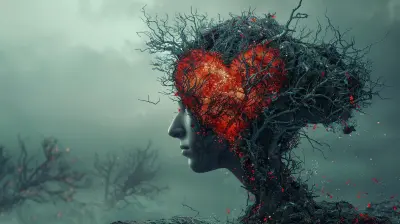
all images in this post were generated using AI tools
Category:
PsychopathologyAuthor:

Christine Carter
Discussion
rate this article
1 comments
Sofia Conrad
Ah, the teenage years-when everything feels like a dramatic rollercoaster ride! It's wild how those awkward moments and emotional twists can leave lasting impressions. Let's not forget the power of support and understanding during this time. After all, every teen needs a cheerleader in their corner!
August 9, 2026 at 3:13 AM
Christine Carter
Absolutely! Those years are defining, and support can make all the difference. It's crucial for teens to know they're not alone in this journey.