Post-Traumatic Growth: Finding Strength in Adversity
30 April 2026
We all go through difficult times — heartbreaks, losses, traumas, and those curveballs life just loves to throw at us when we least expect it. Sometimes they knock the wind out of us. And yet, there's something incredibly powerful that can happen after the storm passes. It's called post-traumatic growth — and no, it's not just bouncing back. It's about bouncing forward.
Let’s dive deep into this beautiful, sometimes messy, but inspiring psychological concept and see how adversity can, surprisingly, become the soil where strength, purpose, and resilience bloom.
What Is Post-Traumatic Growth (PTG)?
Post-Traumatic Growth, often abbreviated as PTG, is a term coined by psychologists Richard Tedeschi and Lawrence Calhoun in the 1990s. It refers to the positive psychological change that can occur as a result of struggling with highly challenging life circumstances.That’s right — sometimes, going through emotional hell can lead to transformational healing.
We’re not talking about just surviving the ordeal. PTG is about growing because of it. Think of a forest that regrows after a wildfire — different, perhaps scarred, but in many ways stronger and more alive.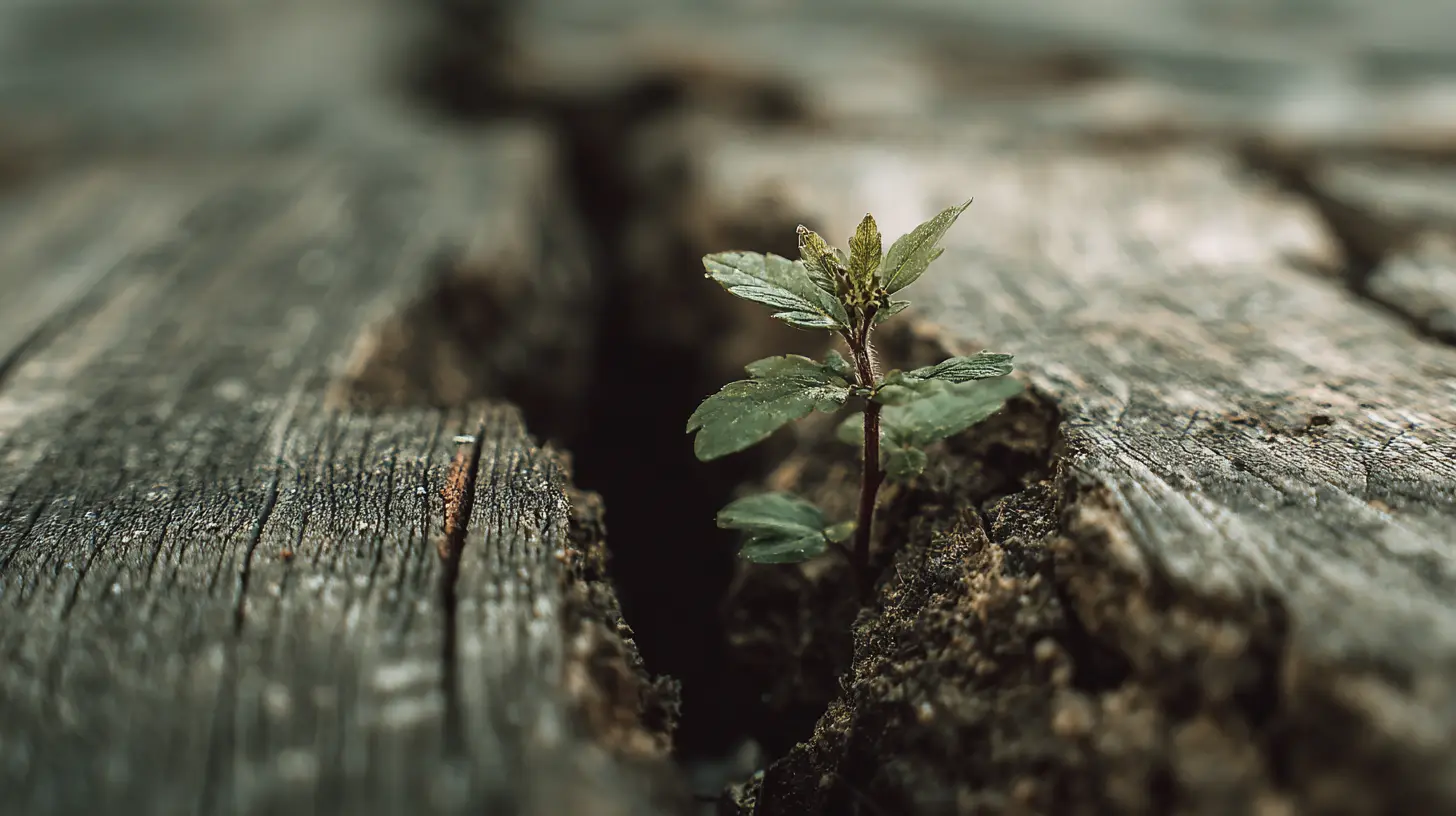
PTG vs. Resilience: Aren’t They the Same?
You might be wondering, “Isn’t this just resilience?” Great question.Resilience is about withstanding the shock. Picture a rubber band being stretched and snapping back into shape. That’s resilience — the ability to return to your original self after a challenge.
Post-traumatic growth, on the other hand, is like that rubber band being stretched and transforming into something new — let’s say, a slingshot. It’s been permanently changed, and now it has a new use, a new perspective, even new power.
So while resilience is about bouncing back, PTG is about bouncing forward — and in some cases, soaring ahead.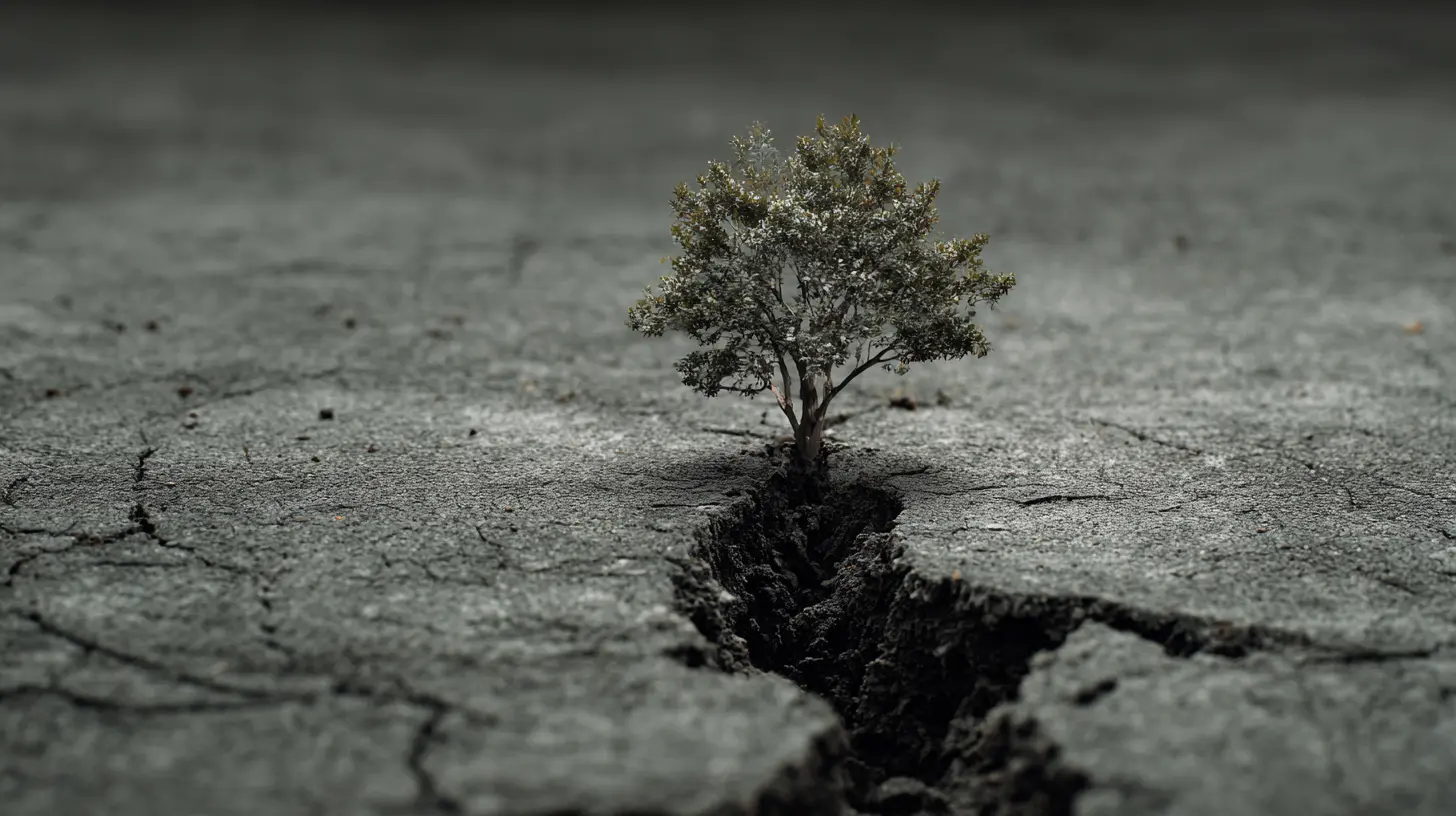
The Five Dimensions of Post-Traumatic Growth
Post-traumatic growth usually shows up in five main areas. Not everyone experiences all of them, and that’s totally okay. It’s not a checklist — it’s deeply personal and unique to each individual. Let’s break them down:1. Personal Strength
After enduring adversity, many people discover they’re much stronger than they ever thought. You might think, “If I could survive that, I can survive anything.”Suddenly, that daily stressor that used to feel overwhelming? It doesn’t hold a candle to what you’ve been through.
2. New Possibilities
Trauma has a way of shaking up our world, tearing apart the familiar. Out of the wreckage, new doors can open — maybe even ones we never saw before.People often report a shift towards new careers, hobbies, or life paths they wouldn’t have considered before their trauma.
3. Improved Relationships
Adversity tends to strip away superficial connections and bring us closer to those who truly matter. You might find deeper empathy and compassion, or even strengthen your bonds with loved ones through shared vulnerability.It’s not uncommon to meet your “ride or dies” during your darkest chapters.
4. Appreciation for Life
Ever notice how the little things feel bigger after something painful happens? A quiet morning, a deep breath, a kind smile — they suddenly mean more.People who experience PTG often report a renewed sense of gratitude for life itself.
5. Spiritual or Existential Change
Crises have a way of raising big questions. “Why am I here?” “What’s the meaning of all this?” As unsettling as those questions can be, they often lead to deeper spiritual insight or a more grounded sense of purpose.Even for those who aren’t religious, there can be a profound shift in values or worldview.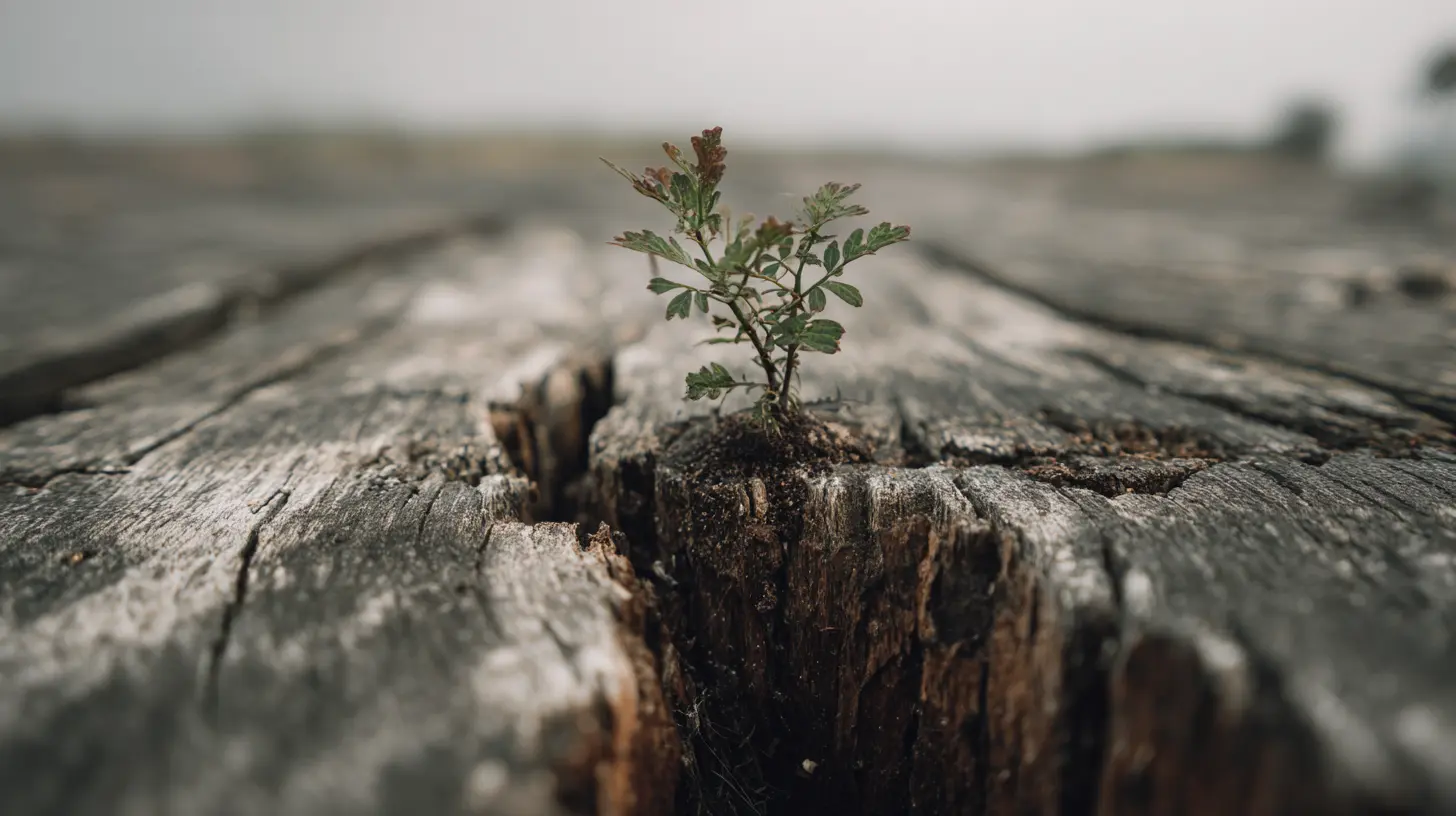
What Kind of Trauma Triggers PTG?
Not all trauma leads to post-traumatic growth, but PTG has been observed in a wide range of situations:- Serious illness or injury
- Loss of a loved one
- Accident or natural disaster
- Divorce or breakup
- Abuse or assault
- Combat or frontline work
- Major life transitions
The common thread? A disruption to how we used to see the world and our place in it.
When the foundation of “what we knew” crumbles, we’re forced to rebuild. That’s where growth can sneak in.
The Role of Struggle: Why Growth Doesn’t Happen Overnight
Let’s pause here for a reality check: PTG doesn't mean the trauma was "worth it." It’s not about silver-lining your pain or suggesting that suffering is somehow "good."It means that through the process of wrestling with what happened — the grief, the confusion, the anger — something shifts. That struggle is the breeding ground for growth.
It's a messy, non-linear process. Some days you’ll feel empowered. Other days, you’ll feel like you’re drowning again. That’s all part of the healing.
The Science Behind Post-Traumatic Growth
So what's actually happening in the brain during post-traumatic growth?When we experience trauma, our brains go into hyperdrive. Our old ways of thinking might no longer apply, so the brain starts working overtime to make meaning.
Psychologists believe that this cognitive processing — the deep thinking, journaling, therapy, self-reflection — helps people rebuild their core beliefs. Over time, these new beliefs often include a stronger sense of self, stronger relationships, and a more purposeful life.
Brain imaging studies even show changes in areas related to emotion regulation and empathy in people who’ve experienced PTG.
How Can You Cultivate PTG in Your Own Life?
Here’s the honest truth: not everyone experiences growth after trauma — and that’s okay. You’re not doing healing “wrong” if you’re not sprouting new wings after every setback.That said, there are some ways to encourage PTG:
1. Reflect Regularly
Journaling helps you process your thoughts and feelings. Even just 10 minutes a day can help you uncover patterns, insights, and meaning.2. Talk It Out
Don’t go it alone. Sharing your story with a therapist, friend, or support group can help reduce the isolation and deepen your understanding of your own experience.3. Practice Mindfulness
Staying present helps prevent you from getting stuck in the “what ifs” and “if onlys.” Try meditation, yoga, or simply being in nature.4. Reevaluate Your Values
Trauma often shifts what really matters to us. Take some time to reexamine your priorities — what's truly important to you now?5. Give Yourself Grace
Healing isn’t a race. Feel your feelings. Cry. Rest. Laugh when it feels good. No one walks the same path — honor yours.Real-Life Examples of PTG
Sometimes, the best way to understand a concept is through someone else’s story.- Cancer Survivors often report a deeper appreciation for life, changes in careers, and stronger relationships.
- Veterans who've experienced combat trauma sometimes return with a strong desire to help others, even starting nonprofits or becoming therapists.
- Survivors of abuse or assault may become advocates, writers, or counselors, turning their pain into purpose.
Their trauma didn’t define them. But it did shape the way they chose to move forward.
A Word About Toxic Positivity
Let’s pause for something important: not every struggle leads to transformation, and not every loss feels meaningful. And that’s okay.Post-traumatic growth is not a badge of honor. It doesn’t mean someone “did healing better” than you. It's not about pushing positivity where it doesn't belong.
Feeling broken doesn’t mean you’re failing. PTG is possible — not mandatory.
Final Thoughts: You’re Stronger Than You Know
If you’re in the middle of the storm right now, this might all sound a bit far off. That’s okay. Growth isn’t immediate — it’s often in the quiet moments that the seeds begin to sprout.Post-traumatic growth is proof that while trauma can shake us to our core, it can also reveal strengths and truths we never imagined. It doesn’t erase the bad — it adds depth to the story.
So if you’re struggling, keep going. Your story might just be turning a page — not ending a chapter.
And remember: You're already surviving. That in itself is a kind of growth.
all images in this post were generated using AI tools
Category:
TraumaAuthor:

Christine Carter
Discussion
rate this article
1 comments
Pia McFadden
Resilience reveals unexpected strengths and insights.
May 5, 2026 at 2:55 PM
Christine Carter
Absolutely, resilience often uncovers strengths we never knew we had, leading to profound insights and growth. Thank you for your thoughtful comment.