How Mindfulness is Reshaping Mental Well-Being in 2027
19 April 2026
Remember when mindfulness felt like a trendy buzzword? Something you’d maybe try with a phone app for five minutes before the chaos of the day took over? Fast forward to today, 2027, and the landscape has transformed entirely. Mindfulness is no longer just a tool in the toolkit; it’s becoming the very foundation upon which we are rebuilding our collective mental well-being. It’s woven into the fabric of our schools, our workplaces, our healthcare, and even our digital interactions. But how did we get here? And more importantly, what does this reshaped world of mental wellness actually look like? Let’s pull up a chair and dive into this quiet revolution.

From Practice to Paradigm: The Great Integration
The biggest shift we’ve witnessed by 2027 isn’t about new, flashy techniques. It’s about integration. Mindfulness has moved from the cushion and the yoga mat into the core systems of our society. Think of it like electricity. We don’t marvel at a light switch anymore; we just expect the light to turn on. Similarly, mindfulness is becoming the invisible current powering healthier environments.In education, it’s no longer a special "mindful moment" program. It’s embedded in the pedagogy itself. Teachers are trained not just in curriculum, but in creating "present-centered classrooms." This doesn’t mean kids are meditating all day. It means lessons begin with a minute of settling attention. It means emotional literacy is taught alongside math, helping students recognize the "weather patterns" of their own minds—seeing anxiety as a passing storm cloud, not a permanent climate. The result? We’re seeing a generation that is more emotionally agile, less reactive to social media pressures, and better equipped to navigate the information-saturated world they inherited.
The workplace, once a bastion of burnout, has been forced to evolve. By 2027, the most forward-thinking companies (and the ones attracting top talent) have moved beyond free meditation apps as a perk. They’ve redesigned workflows with cognitive load in mind. Meeting culture has been revolutionized—many start with a brief check-in, not just on projects, but on presence. "How are we showing up today?" is a legitimate agenda item. This isn’t touchy-feely stuff; it’s a hard-nosed recognition that a focused, less-stressed employee is more creative, collaborative, and resilient. Mindfulness is the new coffee break for the brain, a necessary reset in a world of constant pings and notifications.

The Tech Paradox: Mindful by Design
Here’s the most fascinating twist of 2027. The very technology accused of fragmenting our attention is now being harnessed to restore it. We’ve moved past simple meditation timers. Now, we have ambient mindfulness technology. Your smartwatch doesn’t just tell you you’re stressed; it can guide a 45-second breathing exercise tailored to your physiological data in real-time. Your environment responds to you—smart lights might gently warm to cue a wind-down period, or your music app might shift to a soundscape that supports concentration based on your brainwave patterns (via non-invasive wearables).But it goes deeper. Social media platforms, pressured by user demand and regulatory shifts, now incorporate "attention guards." Want to scroll mindlessly for an hour? The platform might gently ask, "Your focus has shifted 20 times in the last 10 minutes. Pause and re-center?" It’s like having a digital friend who taps you on the shoulder before you fall down the rabbit hole. The line between the digital and the mindful is blurring, creating a world where tech serves our well-being, not just our dopamine receptors.
Furthermore, Virtual Reality (VR) has matured into a profound therapeutic tool. It’s not just for gaming. Now, someone with severe social anxiety can practice a job interview in a hyper-realistic, yet completely safe, virtual space, learning to observe their panic without being consumed by it. It’s exposure therapy powered by presence. People can visit "digital nature sanctuaries" for immersive forest bathing from a small apartment in a megacity. This tech-mediated mindfulness is democratizing access to experiences that were once limited by geography or cost.

The Science Gets Personal: Neuro-Tailored Mindfulness
In 2027, the one-size-fits-all approach is obsolete. The marriage of neuroscience and mindfulness has given birth to precision mindfulness practices. Through affordable EEG headbands and advanced biometrics, individuals can get a rough map of their unique neural patterns. Are you someone whose mind defaults to rumination? Or perhaps your challenge is emotional reactivity?The practices can now be tailored. Someone with a pattern associated with depression might be guided more toward mindfulness practices that emphasize savoring and positive neuroplasticity—actively training the brain to notice and linger on moments of joy or connection. Another person with anxiety might focus on body-anchoring practices that calm the amygdala's fire alarm. It’s like going to a mental gym with a personalized trainer for your brain, working out the specific "muscle groups" of attention, emotional regulation, and self-compassion that need the most toning.
This data also helps break down the "I’m not good at this" barrier. When you can see a graph showing your brainwaves actually calming after eight weeks of practice, it’s no longer an abstract concept. It’s tangible, evidence-based change. This has propelled mindfulness from the realm of self-help into the mainstream of preventative mental healthcare.
Redefining the Therapeutic Relationship
Therapy in 2027 looks different. Mindfulness hasn’t replaced traditional therapeutic modalities like CBT or psychodynamic therapy; it has infused them. Therapists are increasingly "mindfulness-informed." The classic question "How does that make you feel?" is often preceded by "Can you sense that feeling in your body right now, and just be with it for a moment?"This somatic, present-moment focus helps clients access emotions not just intellectually, but experientially. It creates a space between stimulus and reaction—that sacred space where choice and healing reside. Furthermore, therapists are using these principles to manage their own presence, reducing burnout and allowing for deeper, more attuned connections with clients. The therapy room itself becomes a lab for mindful relating, a skill the client then takes out into the world.
The Cultural Ripple: Beyond the Individual
Perhaps the most profound reshaping of mental well-being is happening at the community and cultural level. Mindfulness is fostering a new language around mental states. It’s becoming common to hear someone say, "I need to regulate my nervous system," or "I’m feeling fragmented, I need to integrate." This isn’t psychobabble; it’s a more precise way of communicating our inner experience.In communities, mindfulness-based conflict resolution is gaining traction. It’s the idea of responding from a place of reflection rather than reacting from a place of triggered emotion. This is showing up in town halls, in family mediation, and in public discourse. While we’re far from a universally mindful society, the seeds are there. We’re beginning to understand that our inner peace is not separate from our neighbor’s, that a regulated individual contributes to a more regulated community.
The Challenges on the Horizon
Of course, this reshaping isn’t without its shadows. There’s the risk of mindfulness-washing—corporations using the language without the substance. There’s the danger of it becoming another item on the exhausting to-do list of self-optimization, another reason to feel "not good enough" if your mind wanders. And the access gap, while narrowing, still exists. The most advanced neuro-tailored tools cost money. The core challenge for the coming years will be ensuring this evolved mindfulness remains authentic, accessible, and compassionate, not commercialized and coercive.
Looking Forward: The Mindful Human in 2027 and Beyond
So, here we are in 2027. Mindfulness has evolved from a personal stress-reduction technique to a multifaceted force reshaping our architecture of well-being. It’s in our schools, preparing resilient minds. It’s in our tech, designed to support rather than splinter our focus. It’s in our healthcare, offering personalized mental fitness regimens. And it’s slowly seeping into our culture, offering a hope for more thoughtful, less reactive ways of being together.The goal is no longer to achieve some perfectly still, empty mind. That’s a myth. The goal, as we’re collectively discovering, is to cultivate a relationship with your mind. It’s about becoming the compassionate observer of your own inner world—the thoughts, the feelings, the sensations—so you’re no longer blindly swept away by them. You learn you are the sky, not the passing weather.
This reshaping is ultimately a homecoming. It’s a return to the simple, profound power of paying attention, on purpose, in the present moment. But now, we’re doing it with a little more science, a lot more technology, and a growing collective understanding that this simple act might just be the key not only to surviving our modern world, but to thriving within it. The revolution isn’t loud. It’s quiet. And it’s already here.
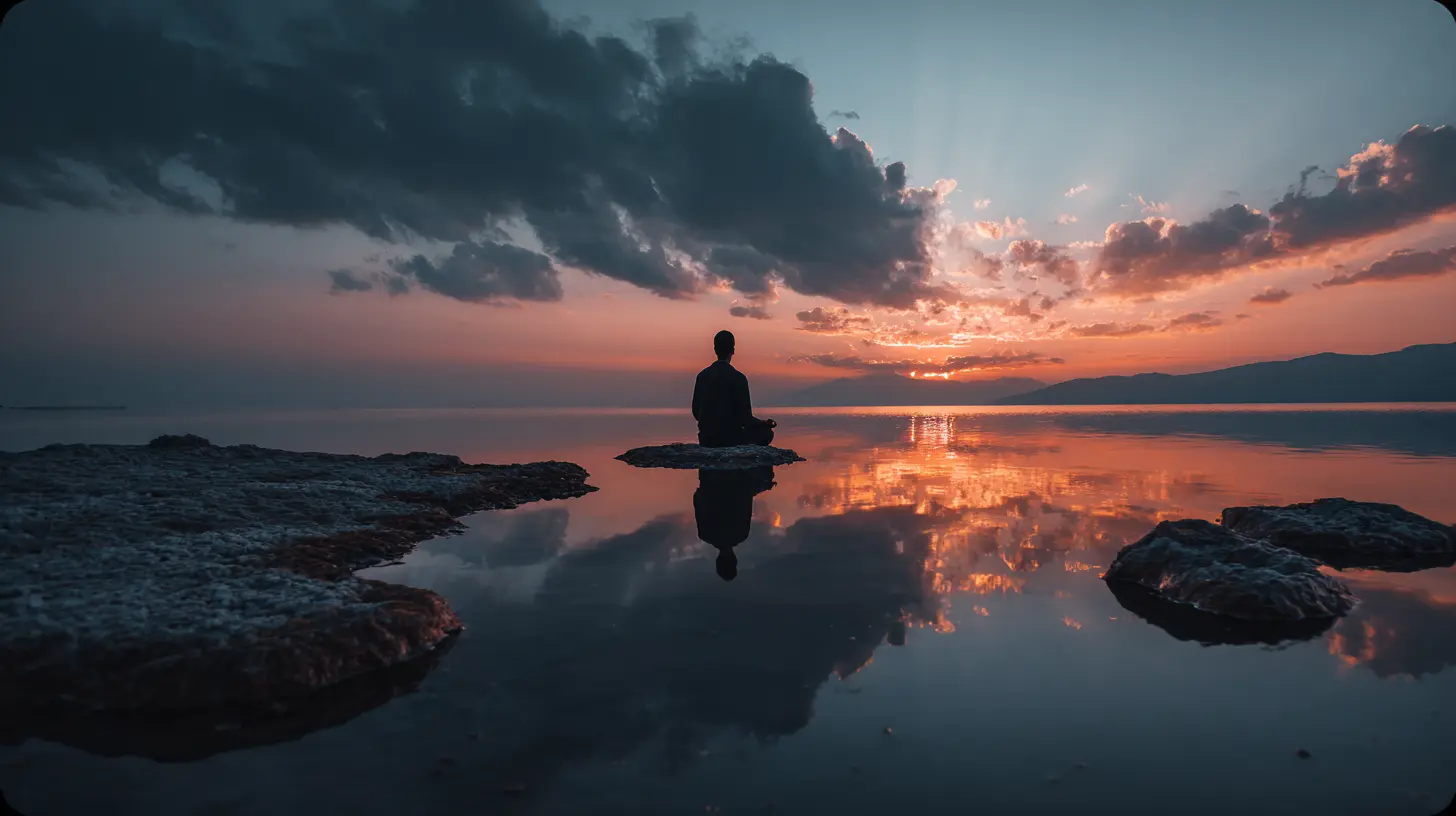
all images in this post were generated using AI tools
Category:
Holistic Mental HealthAuthor:

Christine Carter
Discussion
rate this article
1 comments
Dylan McEvoy
This article highlights the growing influence of mindfulness on mental health in 2027. It emphasizes the importance of integrating mindfulness practices into daily life, showcasing their potential to enhance emotional resilience and overall well-being. Insightful read!
May 3, 2026 at 3:14 PM
Christine Carter
Thank you for your thoughts! I'm glad you found the article insightful. Mindfulness truly plays a crucial role in enhancing our mental well-being.