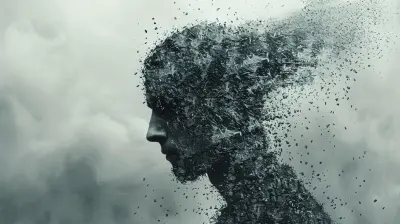
How to Recognize Burnout and What to Do About It
10 May 2026
Burnout. The word itself sounds exhausting, doesn’t it? It’s like the human equivalent of a car running out of gas mid-highway, with no gas station in sight. We've all been there (or at least come close), but identifying burnout before it knocks you down is crucial. And if you're already feeling like you're running on fumes, don’t worry—you’re not alone, and there are things you can do to get back on track.
In this article, we’re going to break down how to recognize burnout—those warning signs your body and mind give you when they’re overwhelmed—and what you can do about it. Ready to dive in? Let’s go!

What is Burnout?
Before we jump into the nitty-gritty, let’s get clear on what burnout actually is. Burnout is more than just feeling tired after a long day or week. It’s a state of emotional, physical, and mental exhaustion caused by prolonged and excessive stress. This stress often stems from work, but it can also come from personal responsibilities, relationships, or even social expectations.Think of burnout as a candle that’s been burning for far too long. It doesn’t just flicker and go out; it melts down into a puddle of wax. It feels like you’re drained—mentally, emotionally, and physically—leaving you unable to function in everyday life.
The Three Dimensions of Burnout
According to research, burnout can be broken down into three main dimensions:1. Emotional Exhaustion: You feel emotionally drained and depleted. Everything feels like too much, and you have little energy left to give.
2. Depersonalization: You start to feel detached from your work or personal life. You may develop a more cynical or negative outlook, as if you’re just going through the motions.
3. Reduced Performance: Your ability to perform at your job or in other areas of your life begins to decline. You feel ineffective and unproductive, no matter how much effort you put in.
These three dimensions work together to make you feel like you're stuck in a never-ending cycle of stress and fatigue. But don't worry—there’s light at the end of the tunnel!

How to Recognize Burnout
Now that you know what burnout is, how do you recognize it before things get too far out of hand? Here are some common signs that you might be heading toward—or already experiencing—burnout.1. Constant Fatigue, Even After Rest
Everyone gets tired after a long day, but with burnout, no amount of rest seems to help. You could sleep for eight, ten, or even twelve hours and still wake up exhausted. It’s that kind of bone-deep fatigue that makes getting through your day feel like climbing Mount Everest.2. Lack of Motivation
Remember when you used to feel excited about your job or hobbies? Burnout steals that enjoyment away. You might find yourself dreading work or even basic tasks like cooking dinner or doing laundry. It’s not just about feeling lazy—it’s like you’ve lost your spark.3. Feeling Cynical or Detached
If you notice yourself becoming more negative or cynical, especially about work or relationships, burnout may be to blame. Maybe you’re starting to think, “What’s the point?” or “No one cares anyway.” This detachment is a defense mechanism your mind uses to protect itself from overwhelming stress.4. Decreased Performance
Are you struggling to focus or finding it hard to complete tasks that used to be easy? Burnout can significantly impact your ability to concentrate and be productive. You might also make more mistakes than usual, which can leave you feeling even more frustrated and inadequate.5. Physical Symptoms
Burnout doesn’t just affect your mind—it takes a toll on your body too. Common physical symptoms include headaches, stomach issues, muscle tension, and even frequent colds or infections. Your immune system weakens when you’re constantly stressed, making you more susceptible to illness.6. Irritability and Mood Swings
Ever snap at someone for no reason? Burnout can make you more irritable, anxious, or even angry. Small inconveniences that you’d normally brush off suddenly feel like major disasters, and your patience is paper-thin.7. Sleep Problems
Ironically, even though you’re exhausted, burnout can make it hard to sleep. You might have trouble falling asleep, staying asleep, or waking up too early. And when you do finally sleep, it often feels restless and unsatisfying.8. Isolation and Withdrawal
Do you find yourself avoiding people, even those you care about? Burnout can make social interactions feel overwhelming, leading you to withdraw from friends, family, and colleagues. In extreme cases, you might even isolate yourself completely.
What Causes Burnout?
Burnout doesn’t happen overnight—it’s a slow burn (pun intended). It builds up over time due to a combination of factors. Understanding the root causes of burnout can help you avoid it in the future. Here are some common culprits:1. Work Overload
One of the most common causes of burnout is taking on more work than you can handle. Whether it's an overwhelming amount of tasks, unrealistic deadlines, or simply being spread too thin, work overload can quickly lead to burnout.2. Lack of Control
If you feel like you have no control over your work or personal life, burnout may not be far behind. A lack of autonomy—whether it’s in decision-making, workload, or schedule—can make you feel powerless and stressed.3. Unclear Expectations
Not knowing what's expected of you at work or in personal relationships can create a sense of uncertainty and anxiety. This ambiguity adds to your stress levels, making it easier for burnout to take root.4. Work-Life Imbalance
When work takes over your life, there’s little time left for relaxation and self-care. Over time, this imbalance can leave you feeling like you’re living to work, rather than working to live.5. Lack of Social Support
Humans are social creatures, and we need connection to thrive. Without a solid support system—whether at work or in your personal life—it becomes easier to feel isolated and overwhelmed.
What to Do About Burnout
So, you’ve identified the signs of burnout. Now what? The good news is that burnout is manageable and, with the right strategies, you can recover from it. Here’s what you can do:1. Acknowledge the Problem
This might sound obvious, but the first step in dealing with burnout is recognizing that it’s happening. Denying or ignoring the problem will only make things worse. Accept that you’re feeling overwhelmed and commit to making changes.2. Set Boundaries
One of the best ways to prevent and combat burnout is by setting clear boundaries. This could mean saying “no” to extra work, limiting your work hours, or carving out time for yourself each day. Remember, you can't pour from an empty cup.3. Prioritize Self-Care
Self-care isn’t just bubble baths and spa days (though those can help!). It’s about taking care of your physical, emotional, and mental well-being. This could mean getting enough sleep, eating nutritious food, exercising, meditating, or simply taking time to relax and decompress.4. Talk to Someone
Don’t keep your feelings bottled up. Talk to someone you trust—a friend, family member, or therapist—about what you’re going through. Sometimes just vocalizing your stress can help lighten the load.5. Take Breaks
Your mind and body need time to recharge. Regular breaks throughout the day can help you stay focused and prevent burnout. Whether it’s a five-minute stretch or a weekend getaway, taking time to step away from your responsibilities is essential.6. Reconnect with What You Love
Burnout can make you forget why you started something in the first place. Try to reconnect with the things that bring you joy and fulfillment, whether it’s a hobby, a creative project, or spending time with loved ones.7. Seek Professional Help
If your burnout is severe, consider reaching out to a mental health professional. Therapy can provide you with the tools and strategies you need to manage stress and recover from burnout.Preventing Burnout in the Future
Once you've recovered from burnout, you’ll want to make sure it doesn’t happen again. Here are some ways to prevent burnout in the future:1. Maintain a Healthy Work-Life Balance
Make sure you’re giving yourself enough time to rest and recharge outside of work. Schedule time for activities that relax and rejuvenate you.2. Practice Mindfulness
Mindfulness techniques like meditation or deep breathing can help you stay grounded and manage stress more effectively. Even just a few minutes a day can make a difference.3. Set Realistic Goals
Don’t overcommit yourself. Set achievable goals and break them down into manageable tasks. This will help you avoid feeling overwhelmed.4. Stay Connected
Keep in touch with friends, family, and colleagues who can support you when things get tough. Having a reliable support system can make all the difference.
Conclusion
Burnout is a serious issue that affects many people, but recognizing the signs early and taking steps to combat it can make a world of difference. Whether it’s setting boundaries, prioritizing self-care, or seeking professional help, there are ways to recover and prevent burnout from taking over your life.Remember, you’re not alone in this. Burnout is common, but it doesn’t have to be your new normal. Take the time to listen to your body, mind, and emotions—and take action before you hit the point of no return.
all images in this post were generated using AI tools
Category:
Psychological Well BeingAuthor:

Christine Carter
Discussion
rate this article
1 comments
Zariah Vasquez
Burnout often masquerades as just being tired. Acknowledging its signs is like turning on the lights in a dark room-suddenly, clarity emerges. Time to act.
May 30, 2026 at 3:01 AM
Christine Carter
You're spot on. Recognizing the signs is crucial. Once we shed light on burnout, we can take steps to restore our energy and well-being. Thank you for sharing your insights!