How to Build a Supportive Community for Your Mental Health
22 September 2026
Mental health isn’t just about self-care or therapy—it’s also about the people we surround ourselves with. A strong support system can be a game-changer when navigating life's ups and downs. But how do you build a community that truly supports your mental well-being? Let’s dive into the essential steps to creating a circle of understanding, encouragement, and genuine connection.
Why a Supportive Community Matters for Mental Health
Ever heard the saying, “No man is an island”? It’s true—humans thrive on connection. Having a supportive community helps reduce stress, anxiety, and feelings of loneliness. When you have people who uplift you during tough times and celebrate your wins, life becomes a little easier.A strong support network can:
✅ Provide emotional reassurance during difficult moments
✅ Offer different perspectives and advice
✅ Encourage healthy habits and self-care
✅ Make you feel understood and valued
If you’ve ever felt like you’re carrying the weight of the world alone, it might be time to build—or strengthen—your support circle.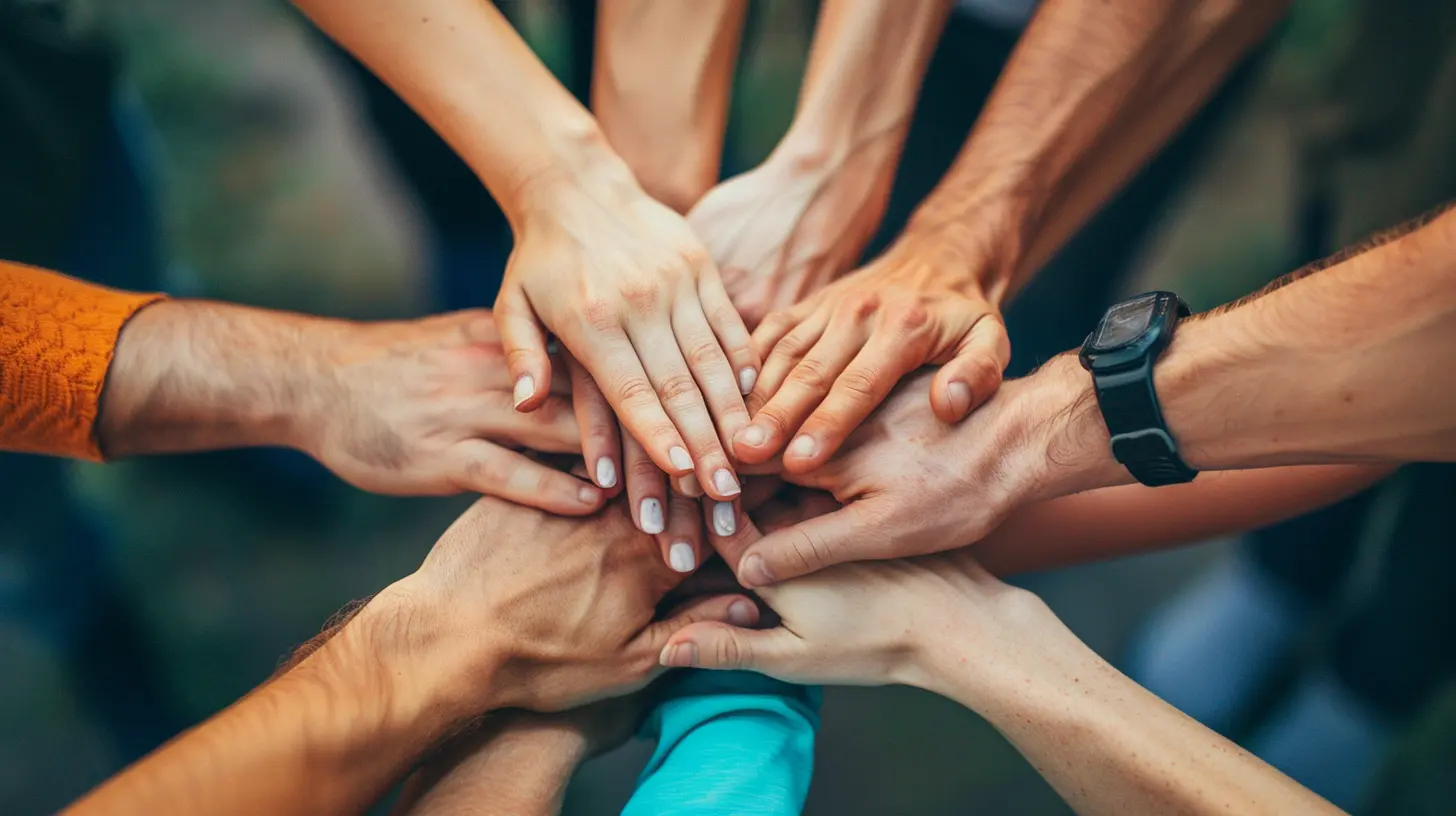
Step 1: Start with Self-Reflection
Before seeking support from others, it’s essential to understand your own needs. What kind of support are you looking for? Do you need someone to listen, give advice, or help hold you accountable for self-care?Take a moment to ask yourself:
- What kind of people make me feel safe and understood?
- How do I prefer to receive support—through conversations, activities, or simply knowing someone is there?
- What qualities do I value in a supportive friend or community?
Understanding your own needs first will help you find the right people who align with your emotional and mental well-being.
Step 2: Identify Existing Support Systems
You might already have a community around you without realizing it. Friends, family members, coworkers, or even online groups can be sources of support. Sometimes, we overlook these connections because we assume they don’t understand our struggles.Where to Look for Support?
? Friends and Family – If you have close relationships with loved ones, don’t hesitate to open up. You might be surprised by their willingness to support you.? Support Groups – Local or online support groups for mental health, grief, or specific struggles can connect you with like-minded individuals.
? Therapists and Counselors – While not a traditional “community,” having a professional who listens and guides you can be invaluable.
? Social Media and Online Forums – Platforms like Reddit, Facebook Groups, or mental health blogs foster great discussions and connections.
Take a moment to assess who in your life already offers support and how you can strengthen those connections.
Step 3: Be Intentional About Building Connections
Creating a supportive community isn’t just about finding the right people—it’s about nurturing those relationships. A good support system doesn’t happen overnight; it takes time, effort, and vulnerability.How to Strengthen Connections
✔ Initiate Conversations – If you always wait for others to reach out, you might miss opportunities for deeper connections. A simple "Hey, how are you?" can go a long way.✔ Share Your Struggles – It’s okay to be open about your mental health. You’ll be surprised at how many people relate and are willing to offer support.
✔ Be a Good Listener – Support is a two-way street. If you want to receive encouragement, make sure you’re offering it too.
✔ Show Up Consistently – Whether through weekly check-ins, group chats, or regular meetups, being present strengthens bonds.
Small but consistent efforts can turn acquaintances into trusted support pillars.
Step 4: Set Healthy Boundaries
Being part of a support system doesn’t mean you have to absorb everyone else’s struggles. Just as you need people to uplift you, it’s important to ensure the relationships in your life are healthy.How to Maintain Healthy Boundaries
? Learn to Say No – Not every relationship is beneficial for your mental health. If someone drains your energy, it’s okay to set limits.? Seek Mutual Support – If you’re always the one giving but never receiving, take a step back and reassess that relationship.
? Protect Your Energy – Surround yourself with people who encourage growth, not those who bring toxicity.
? Communicate Your Needs – Let others know what you need from the relationship. Honesty helps prevent misunderstandings.
A supportive community should feel like a safe space, not an emotional burden.
Step 5: Find Support Beyond Personal Relationships
While friends and family play a big role, sometimes professional or structured support is just as crucial.Alternative Support Options
? Therapists & Coaches – Mental health professionals can provide guidance, coping strategies, and therapy tailored to your needs.? Community Groups – Volunteering or joining clubs can help foster connections with people who share similar values.
? Online Communities – Sometimes, connecting with people virtually can be just as meaningful as in-person support.
? Religious or Spiritual Groups – If faith is important to you, faith-based communities can offer encouragement and comfort.
Remember, support can come from various sources—it’s about finding what works best for you.
Step 6: Keep Your Circle Evolving
Your support network doesn’t have to stay the same forever. As you grow, your needs may change, and that’s completely normal.? Reassess your community regularly – Are your relationships still serving you? If not, it might be time to expand your circle.
? Be Open to New Connections – Join new groups, attend events, or engage in activities where you can meet supportive people.
? Don’t Fear Losing People – Outgrowing relationships is natural. If someone no longer aligns with your well-being, it’s okay to move on.
The more you invest in maintaining and evolving your support system, the stronger it will become.
Final Thoughts
Building a supportive community for mental health takes effort, but it’s one of the most rewarding things you can do for yourself. Surrounding yourself with people who genuinely care about your well-being can make a world of difference in how you navigate life’s challenges.Remember, you don’t have to do it alone. Whether through friendships, therapy, support groups, or online communities, there are people out there ready to walk this journey with you. Take small steps, invest in relationships, and watch how a supportive community transforms your mental health.
all images in this post were generated using AI tools
Category:
Psychological Well BeingAuthor:

Christine Carter