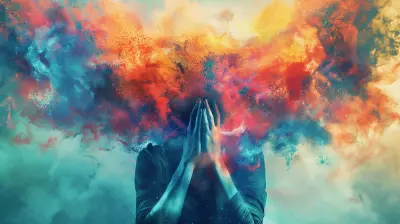
How Relationships Are Affected by Mood Disorders
22 May 2026
Let’s be real—relationships are hard work even on the best of days. But throw mood disorders into the mix? Things can get complicated real quick. Whether it’s depression, bipolar disorder, or anxiety, mood disorders don’t just affect the person who’s struggling—they ripple outward, touching everyone close to them, especially romantic partners.
In this article, we’re diving deep into how mood disorders affect relationships and why understanding, patience, and communication are more important than ever. If you or your partner is dealing with a mood disorder, this one’s for you.
What Are Mood Disorders, Really?
Before we get into the relationship stuff, let’s quickly break down what mood disorders are. A mood disorder is a psychological condition that severely affects a person’s emotional state. It goes way beyond just having a bad day.Some of the most common mood disorders include:
- Major Depressive Disorder (aka depression)
- Bipolar Disorder (alternating highs and lows)
- Persistent Depressive Disorder (long-term, low-grade depression)
- Cyclothymic Disorder (less severe form of bipolar)
- Seasonal Affective Disorder (SAD)
People with mood disorders experience intense emotional highs or lows—or both—that can seriously interfere with their day-to-day life, including their relationships.

The Emotional Rollercoaster of Relationships + Mood Disorders
Imagine trying to build a sturdy house during an earthquake. That’s what dealing with a mood disorder in a relationship can sometimes feel like. One minute everything's fine, and the next—boom—the mood shifts and you’re dealing with emotional aftershocks.1. Communication Breakdowns
When someone’s in the thick of a depressive episode, talking about feelings can feel impossible. They might shut down, withdraw, or just stop engaging. On the flip side, during manic phases (in disorders like bipolar), they might talk a mile a minute, make impulsive decisions, or come off as irritable or aggressive.And the partner? They’re often left wondering, "Did I do something wrong?" or "What just happened?"
When one person is always trying to decode the other’s emotional state, it can lead to misunderstandings, fights, and that awful feeling of walking on eggshells.
2. Trust Takes a Hit
Mood disorders can make people unpredictable. This unpredictability can chip away at the foundation of trust in a relationship. One moment your partner is planning your dream vacation; the next, they’re canceling plans, pushing you away, or disappearing emotionally.This inconsistency can leave both partners feeling unsafe—emotionally and mentally. Over time, that lack of stability can lead to serious cracks in the relationship’s armor.
3. Intimacy Fizzles
Let’s talk about the elephant in the room: intimacy. When one or both partners are dealing with a mood disorder, physical and emotional intimacy can suffer. Depression can lower libido, make someone feel unattractive, or trigger feelings of worthlessness. Mania, on the other hand, may cause risky sexual behavior that confuses or even hurts the partner.Without emotional closeness and physical connection, relationships can start to feel more like roommates than lovers.
4. The Caregiver Dynamic
When one partner becomes more of a caregiver than a significant other, things can get a bit… messy. While being supportive is crucial, constantly taking care of someone’s mental health can cause emotional burnout.Eventually, the partner may start to feel overwhelmed, resentful, or even guilty for feeling this way. And the person with the disorder may feel like a burden, which only makes things worse. It’s a cycle that’s hard to break without help.
How Mood Disorders Affect Different Relationship Types
Mood disorders don’t just impact romantic relationships. Friends, family, and even co-workers can feel the effects. But let’s stick to the personal relationships for now—you know, the ones closest to the heart.Romantic Relationships
When love is involved, everything hits harder. Mood disorders can test the limits of patience, communication, and connection. Those with mood disorders may struggle with feelings of guilt, fear of abandonment, or self-loathing, which can lead to self-sabotaging behavior.On the flip side, partners may feel helpless, like nothing they do is ever "enough." It's a tough spot to be in, and without the right tools, things can spiral.
Friendships
Friends might see a change in reliability or consistency. Maybe you cancel plans often, go MIA for weeks, or become emotionally distant. They may not understand what’s happening—or worse, take it personally.Real friendships can weather storms, but they need honesty. If you’re upfront about what you’re going through, true friends will usually step up.
Parent-Child Relationships
Things get even more delicate when mood disorders impact parenting. Whether it's a parent struggling, or a child, the emotional toll can shake the whole family tree. Kids might feel confused, scared, or even blame themselves. Parents may feel guilt and pressure to "be strong" all the time.That's why open conversations and age-appropriate explanations are essential to help kids make sense of it all.

How to Keep a Relationship Strong When Mood Disorders Are in the Mix
Okay, enough doom and gloom. It's not all bad news. Relationships affected by mood disorders can survive—and even thrive—with the right mix of understanding, action, and love. Let’s break that down.1. Educate Yourself
The first step? Get informed. Learn everything you can about the specific mood disorder you or your partner is dealing with. The more you know, the less intimidating it feels.Websites, books, support groups, therapy—use all the tools. Knowledge helps build empathy, and empathy is fuel for healthy relationships.
2. Communicate, Even When It’s Hard
It might feel awkward or heavy, but honest communication is non-negotiable. Talk about what triggers moods, what helps, and what support looks like. And listen—really listen—when your partner shares their experience.A simple “How can I support you today?” can go a long way.
3. Establish Boundaries
Boundaries aren’t walls—they’re guardrails that keep relationships on track. That might mean agreeing on how to handle a depressive episode, setting time for self-care, or creating space when needed.Respect goes both ways. Boundaries protect both partners from emotional burnout.
4. Practice Patience
Healing and managing a mood disorder isn’t a straight path. There are ups, downs, setbacks, and breakthroughs. You won’t get it perfect, and that’s okay.Sometimes, the best thing you can do is offer a calm presence. Sometimes, just sitting next to someone in silence is enough.
5. Don’t Skip Therapy
Big fan of therapy here. Seriously. Whether it’s individual counseling, couples therapy, or group support, talking to a professional can be a game-changer.They help you unpack the mess, set goals, and come up with realistic coping strategies. Think of it as relationship maintenance—like tuning up your car so it doesn’t break down later.
6. Take Care of Yourself Too
Caring for someone with a mood disorder can be draining—it’s okay to admit that. You can’t pour from an empty cup, right?Make self-care a priority. Whether it’s journaling, working out, hanging with friends, or just getting good sleep—don’t lose yourself while helping someone else.
When Love Isn’t Enough
Let’s be real for a second—sometimes, no matter how much love you pour into a relationship, things don’t work out. That doesn’t mean you failed. It means the relationship couldn’t survive under the weight of what was being carried.Walking away isn’t cowardly—it can be an act of courage. Especially if staying is damaging your own mental health.
It’s also okay to hit pause, take a break, or shift the dynamic. Love doesn’t always look like staying forever. Sometimes, love looks like letting go.
Mood Disorders Don’t Define Your Relationship
Here’s the heart of the matter: a mood disorder is just one part of a person—not the whole picture. And yes, it makes relationships more complex. But with effort, empathy, and the right support, it can be managed.People with mood disorders are capable of deep love, commitment, and connection. And those who love them can be incredible sources of strength and stability. It’s a dance—sometimes clumsy, sometimes graceful—but always worth practicing.
So if you’re in a relationship where a mood disorder is part of the journey, hang in there. Keep showing up. Keep learning. Keep loving—with open ears, open hearts, and realistic expectations.
You’ve got this.
all images in this post were generated using AI tools
Category:
Mood DisordersAuthor:

Christine Carter
Discussion
rate this article
1 comments
Remington Bell
This article offers valuable insights into the complexities of relationships impacted by mood disorders. Understanding these dynamics can foster empathy and support for those navigating these challenges. Thank you for sharing.
May 31, 2026 at 3:32 PM
Christine Carter
Thank you for your kind words. I'm glad you found the insights helpful. Empathy goes a long way in supporting those facing these challenges.