How Forensic Psychology Informs Police Interrogation Techniques
26 March 2026
When you think of police interrogations, what comes to mind? A dimly lit room, a detective leaning over the table, questions flying like bullets? Thanks to TV dramas, that image is burned into our minds. But what really happens behind those closed doors—and more importantly—what makes those interrogations effective (or not)?
Here's where forensic psychology steps in. It's not all about catching serial killers or profiling maniacs. Forensic psychology quietly plays a huge role in shaping how police question suspects, read body language, and even decide when to back off.
So, let’s dive into how forensic psychology is changing the interrogation room—one mind at a time.
What Exactly Is Forensic Psychology?
Let’s start with the basics. Forensic psychology is like the lovechild of psychology and the legal system. It’s all about understanding human behavior and using that knowledge in legal settings. This includes everything from assessing mental state to evaluating witness credibility, and yes—crafting those sharp, strategic police interrogations.Psychologists in this field ask questions like:
- Why do people confess?
- How do stress and fear affect memory?
- Can someone be manipulated into a false confession?
Basically, forensic psychologists get into people’s heads—and not in a creepy way. Their insights are the backbone of many modern-day interrogation techniques.
Why Police Interrogations Needed a Makeover
So, why did police interrogation methods need to be shaped by psychology in the first place?Historically, interrogations weren’t exactly... ethical. We’re talking about tactics that borderlined coercion—think intimidation, isolation, and relentless questioning. While these methods may have yielded confessions, they weren’t always reliable.
Enter forensic psychology, which brought in some cold, hard truths—like the fact that stress can muddle memory or that some people confess just to escape the pressure.
In other words, older methods risked sacrificing truth for speed. And that’s a pretty big deal in the justice system.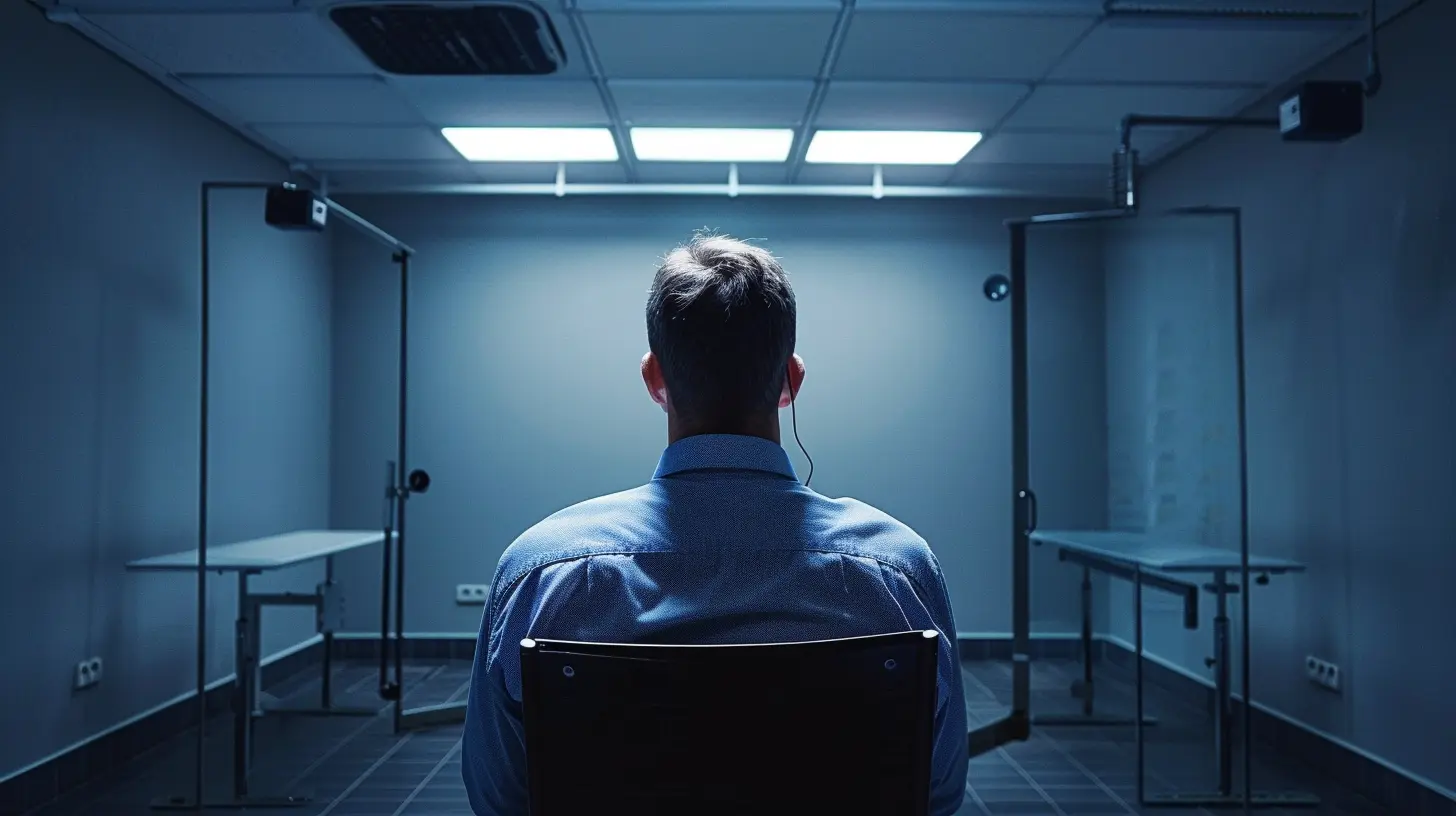
The Psychology Behind a Confession
Ever wonder why someone would admit to something they didn’t do? It sounds bizarre, almost impossible, right? But it happens more often than you'd think.Forensic psychologists have studied different types of confessions:
- Voluntary confessions – These are rare but happen when someone comes forward without pressure—maybe out of guilt or for attention.
- Coerced-compliant confessions – Here, the suspect gives in just to stop the interrogation. They know they're innocent but just want it to end.
- Coerced-internalized confessions – This one’s the most disturbing. The suspect is so psychologically worn down, they start believing they actually committed the crime.
That last one? That’s where forensic psychology screams, “We need better methods!”
Key Psychological Principles Behind Effective Interrogation
Now that you’ve got a sense of the problem, let’s flip the script. How does a good interrogation work when psychology is involved?1. Building Rapport
Sounds too soft for police work? Think again.Trust is the magic ingredient. When an interrogator builds a relationship—shows empathy, respect, even patience—it lowers a suspect’s defenses. Forensic psychology supports this approach wholeheartedly.
Think of it like peeling an onion. You can’t just stab at it with a knife—you have to gently pull each layer back to get to the truth.
2. Reading Nonverbal Cues
Ever heard the phrase “actions speak louder than words”? Microexpressions, body language, voice pitch—these silent cues can reveal a lot. Forensic psychologists train law enforcement to pick up on these subtle signs without jumping to conclusions.It’s not about playing human lie detector—but more like being a really, really good observer.
3. Understanding Memory
Memory isn't a snapshot—it's more like a puzzle. People remember things differently under stress, and forensic psychologists help police understand how trauma, time, and even suggestion can distort recollections.Pushing someone for a perfect timeline might actually backfire. Sometimes, giving space and asking open-ended questions gets a clearer picture.
Goodbye to the Reid Technique (Sort of)
The Reid Technique was once the golden standard for interrogations in the U.S. It’s a nine-step approach that includes assessing deception, confrontation, and psychological manipulation.But here’s the kicker: it’s been heavily criticized. Why? Because it leans on the same pressure-cooker methods that forensic psychology warns against.
False confessions. Lawsuits. Public backlash. That’s what followed.
Today, many departments are shifting toward more science-backed models, like the PEACE model—a technique developed in the UK that emphasizes preparation, ethical interviewing, and evidence-based questioning.
The PEACE Model: Psychology-Approved Interrogation
Let’s break down PEACE real quick:- P – Planning and Preparation
- E – Engage and Explain
- A – Account, Clarification, and Challenge
- C – Closure
- E – Evaluation
This model removes the adversarial aspect. It’s not about “catching” the suspect, but about gathering information in a calm, structured way.
Forensic psychology loves this model because it:
- Reduces risk of false confessions
- Encourages genuine cooperation
- Treats suspects like people, not problems
Imagine a therapist and a detective teamed up to solve a case—that’s the vibe we’re going for.
When Psychology Meets Technology
You know what’s cooler than psychology? Psychology with gadgets.Enhanced interrogation methods now use tech like fMRI scans to study brain activity during questioning. While not court-admissible (yet), the psychological data gained from these studies is reshaping how we understand truth-telling behavior.
There’s also AI-driven behavior analysis tools helping law enforcement flag signs of stress or deception. But here’s the thing—tech can’t replace human intuition.
Psychologists remind us that no single clue—verbal or nonverbal—can definitively prove guilt. Context is king.
Real-Life Cases: Where Psychology Made A Difference
One shining example? The case of the “Central Park Five.” Five teens confessed to a crime they didn’t commit. Why? Because they were young, scared, and aggressively interrogated.Forensic psychology helped analyze those confessions post-trial and proved how vulnerable individuals can be manipulated. Those insights weren’t just eye-opening—they helped overturn convictions.
It's stories like these that show the real stakes in interrogation rooms.
Forensic Psychology and Cultural Awareness
Let’s not forget—interrogation isn’t one-size-fits-all.Culture plays a huge role in communication styles, body language, and emotional expression. Forensic psychologists emphasize the importance of cultural sensitivity during interrogations.
A gesture that seems “evasive” in one culture might be normal in another. Misreading these cues can lead down the wrong path—and even derail cases.
Bottom line? Interrogators aren’t just investigators—they’re human behavior analysts. And that takes cultural context.
The Future of Ethical Interrogation
As forensic psychology continues to evolve, so will police practices. We’re already seeing a growing demand for:- Trauma-informed interrogation
- Greater transparency (hello, body cams!)
- More training in psychological principles
And that’s a good thing—for suspects, for law enforcement, and for justice itself.
The days of harsh lights and foul play are fading. In their place? Science, empathy, and smarter strategies.
Final Thoughts
So, how does forensic psychology inform police interrogation techniques? In just about every way possible. From shaping the questions to understanding the answers, it’s the invisible force guiding interrogators toward the truth—ethically and effectively.The field reminds us that the human mind isn't a code to be cracked with pressure and intimidation. It's a delicate system that responds better to curiosity, compassion, and, well… good psychology.
Next time you see an interrogation scene on TV, you’ll know—there’s a whole lot more going on than meets the eye.
all images in this post were generated using AI tools
Category:
Forensic PsychologyAuthor:

Christine Carter
Discussion
rate this article
2 comments
Zelda McKenzie
This article highlights the crucial role of forensic psychology in shaping effective police interrogation techniques, ultimately leading to more reliable and ethical investigative outcomes.
July 9, 2026 at 2:54 PM
Christine Carter
Thank you for your insightful comment. I'm glad you found the article valuable in showcasing the importance of forensic psychology in police work.
Arianth Henson
Insightful outlook on interrogation ethics.
March 27, 2026 at 4:18 AM
Christine Carter
Thank you! I'm glad you found it insightful.