How Childhood Trauma Can Manifest as Adult Mood Disorders
18 August 2026
Let’s face it — childhood is supposed to be a time of laughter, learning, and love. But for many, it's marred by experiences that no child should have to endure. We're talking about trauma — the kind that doesn’t just "go away" as you grow older. It lingers, quietly shaping your beliefs, your behaviors, and yes, even your mental health. If you've ever wondered why you sometimes feel overwhelmed, anxious, depressed, or just emotionally numb for reasons you can’t quite explain, childhood trauma might be the invisible thread connecting the dots.
In this article, we’ll break down how childhood trauma can manifest as adult mood disorders. And don’t worry — this isn’t some heavy clinical essay filled with psychology jargon. We’re keeping it real, personal, and human. Ready? Let’s walk through this together.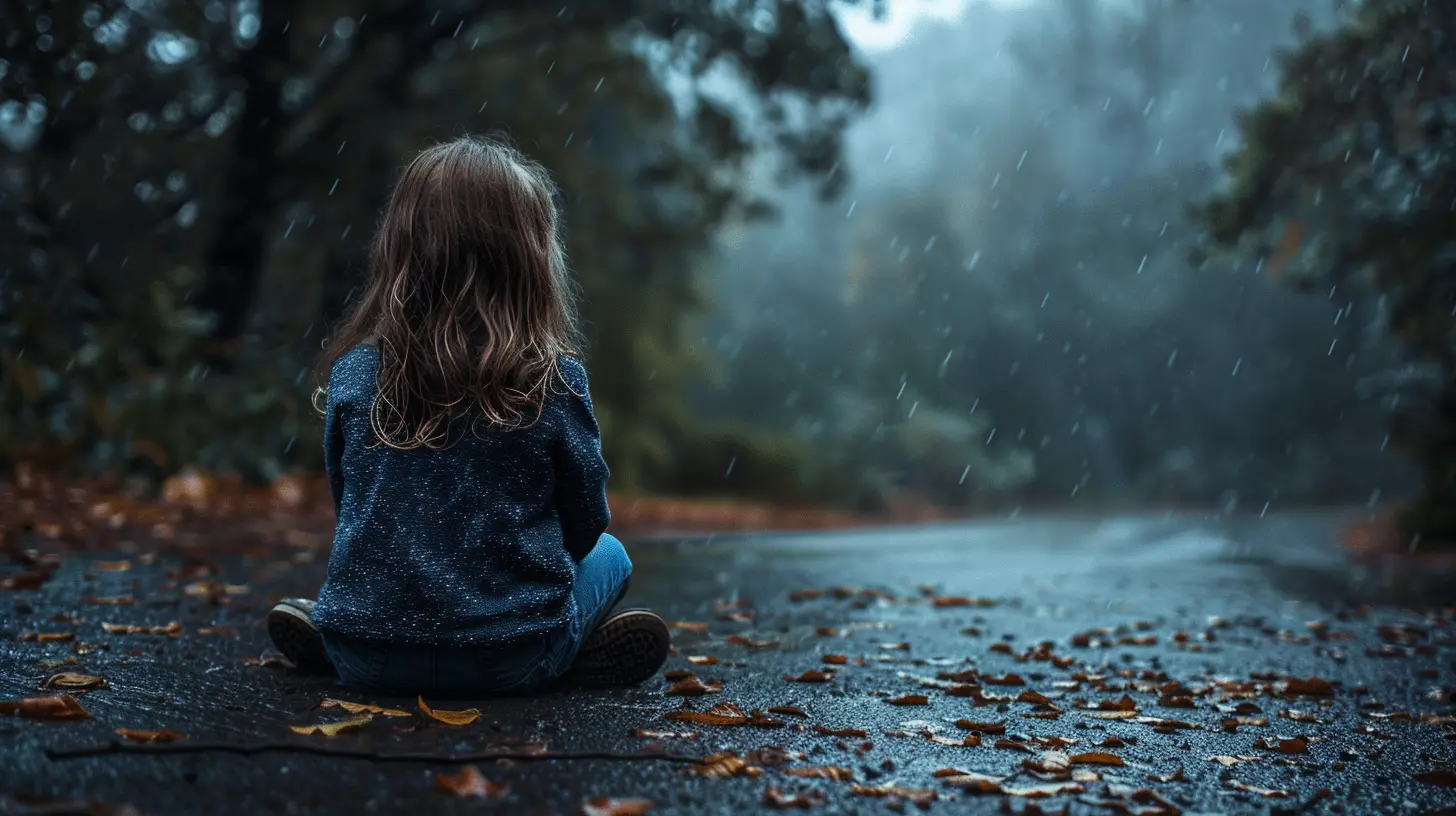
What Exactly Is Childhood Trauma?
Before we dive into the connection with mood disorders, let’s clear up what we mean by "childhood trauma." It's more than just the obvious stuff like abuse or neglect (though those are certainly traumatic). Trauma can also include:- Losing a parent or caregiver
- Witnessing domestic violence
- Living with someone who has a mental illness or addiction
- Experiencing bullying, discrimination, or poverty
- Being in foster care or moving around a lot
Basically, if something happened that overwhelmed your ability to cope as a child, and you didn’t feel safe, supported, or seen — that’s trauma.
Children don’t have the tools adults do. They can’t rationalize, process, or even speak up about what’s happening. So, what do they do? They internalize it.
The Brain on Trauma: It Literally Changes You
Let’s talk brain science — but keep it simple.When you're exposed to trauma as a child, your brain goes into survival mode. It’s like a fire alarm that gets stuck in the ON position. Your body thinks danger is always around the corner. Over time, parts of the brain like the amygdala (the fear center) grow bigger, while the hippocampus (which helps regulate emotions and memory) shrinks.
It’s a bit like trying to drive a car with your foot glued to the gas pedal and a foggy windshield. You're always in overdrive, but you can’t really see where you're going.
So, How Does This Show Up As an Adult?
Here’s where things get really interesting — or frustrating, depending on your perspective. Childhood trauma doesn’t just disappear with age. Instead, it tends to resurface in sneaky ways, especially when you're under stress, building relationships, or facing major life changes.Let’s go through some common mood disorders linked to early trauma:
1. Depression – The Weight That Won’t Lift
Ever feel like you’re carrying a backpack full of bricks and you don’t even remember packing it? That’s depression, and for many trauma survivors, it becomes a lifelong companion.Childhood trauma often teaches us that we’re not good enough, not safe, or not lovable. These internal messages become ingrained, leading to persistent sadness, low self-esteem, and hopelessness — classic signs of depression.
And here’s the kicker: you might not even remember the traumatic events clearly. But your body and subconscious mind do.
2. Anxiety – Living in a State of "What If?"
Imagine living in a haunted house where something could jump out at you at any moment — that’s what anxiety feels like for a lot of trauma survivors.You could be sitting in a meeting or lying in bed trying to sleep, and BOOM — your heart’s racing, your chest tightens, and you're convinced something’s wrong. Why? Because your nervous system got wired to be hyper-alert as a kid. Even when the danger's long gone, your brain still reacts like it's right there.
3. Bipolar Disorder – Riding Emotional Rollercoasters
While not all cases of bipolar disorder stem from trauma, research shows a strong link between early adverse experiences and this intense mood disorder.Trauma can disrupt emotional regulation, making it difficult to maintain stable moods. For some, this results in dramatic mood swings between manic highs and depressive lows.
Think about it like this: your emotional volume knob is busted. You go from whispers to screams without warning. That can be terrifying — and isolating.
4. PTSD and Complex PTSD – Trauma That Sticks Around
Most people think PTSD is something only soldiers get. Not true. Childhood trauma, especially if it was chronic or occurred over time, can lead to Complex PTSD (C-PTSD).This often includes flashbacks, emotional numbness, trust issues, and feeling disconnected from yourself and the world. Unlike regular PTSD, which might relate to one big traumatic event, C-PTSD stems from prolonged exposure to trauma — like growing up in a chaotic or abusive home.
The Hidden Cost: Self-Sabotage and Emotional Triggers
Let’s get real for a second. Trauma doesn’t just affect your mood — it can shape your entire way of being. You might:- Push people away even when you crave connection
- Fear abandonment but also fear intimacy
- Sabotage relationships, jobs, or goals right when things start going well
- Bottle up your feelings until they explode
Sound familiar?
These aren’t "flaws" or "weaknesses." They’re coping mechanisms you developed as a kid to survive hard situations. The problem is, they stick around long after they’re useful — like using an umbrella indoors because once, a ceiling leaked.
Why You Didn't "Just Get Over It"
People love to say, “That was years ago, why can’t you just move on?”But here’s the thing: trauma isn’t stored as a traditional memory. It gets stuck in your nervous system. So even if you don’t consciously think about the events, your body remembers the fear, the helplessness, the shame.
It's like software running in the background, draining your emotional energy without you knowing.
Healing is Possible — You’re Not Broken
Let’s stop here and say something loud and clear: You are not broken.Yes, childhood trauma can lead to adult mood disorders — but that doesn’t mean you’re doomed. Healing is not only possible, it’s happening every day, for people just like you.
Here are a few ways people start to heal:
1. Therapy — The Ultimate Reboot
Working with a trauma-informed therapist can be life-changing. Therapies like EMDR (Eye Movement Desensitization and Reprocessing), somatic therapy, and cognitive-behavioral therapy get to the root of the pain and help rewire those old patterns.2. Mindfulness and Meditation — Calming the Storm
You don’t have to chant on a mountaintop. Just 5 to 10 minutes a day of mindful breathing or meditation can help your nervous system chill out. It’s like giving your brain a spa day.3. Building Safe Relationships — Repair Through Connection
Healing often happens in relationships. Find people who make you feel safe, seen, and valued. Whether it's friends, a partner, or a support group, connection is medicine for a traumatized brain.4. Journaling and Expressive Arts — Let It Out
Sometimes words aren't enough. Painting, music, writing, or any form of expression can help you release emotions trapped inside for years.5. Educating Yourself — Knowledge Is Power
The more you understand trauma and its effects, the more empowered you become. You start recognizing triggers, patterns, and behaviors — and that self-awareness? It's a game-changer.Your Past Doesn’t Define Your Future
Here’s the truth: trauma may have shaped part of who you are, but it doesn’t get the final say. You can heal. You can grow. You can live a full, joyful, meaningful life — even with the scars. In fact, many trauma survivors go on to become some of the most empathetic, wise, and resilient people you’ll ever meet.It’s never too late to start healing. Not yesterday. Not next week. Today.
So if you’re struggling with mood swings, depression, anxiety, or just this gnawing sense that something’s “off” emotionally, dig a little deeper. Look back — with compassion, not judgment. Maybe your inner child is still holding onto pain, waiting for you to come back and say, “Hey, I see you. I'm here now. You're safe.”
You’re not alone in this journey. And you don’t have to walk it in silence.
Final Thoughts
Childhood trauma leaves invisible bruises. But those bruises don’t have to define your life. With awareness, support, and the right tools, healing can happen. Your brain can change. Your heart can mend. And your story? It’s still being written — and the best chapters are yet to come.So keep going. You’re more powerful than your past. And you deserve peace.
all images in this post were generated using AI tools
Category:
Mood DisordersAuthor:

Christine Carter
Discussion
rate this article
1 comments
Sofia McQuillan
This article sheds light on a crucial but often overlooked topic. It's fascinating how childhood experiences shape our adult lives in ways we might not recognize. Understanding these connections can be a powerful step toward healing. Thanks for sharing such valuable insights on this important issue!
August 21, 2026 at 2:39 AM