How Art Therapy Can Help Those with Mood Disorders
5 February 2026
Mood disorders can feel like a never-ending rollercoaster. One day you're on top of the world; the next, you're drowning in sadness or anxiety. If you've ever struggled with mood disorders—or know someone who has—you understand how overwhelming it can be. While therapy and medication are common treatments, there's another powerful tool that often gets overlooked: art therapy.
You don’t have to be the next Van Gogh to benefit from it. In fact, the beauty of art therapy lies in its ability to help people express emotions in a non-verbal way. So, let's dive into how art therapy can truly make a difference for those struggling with mood disorders. 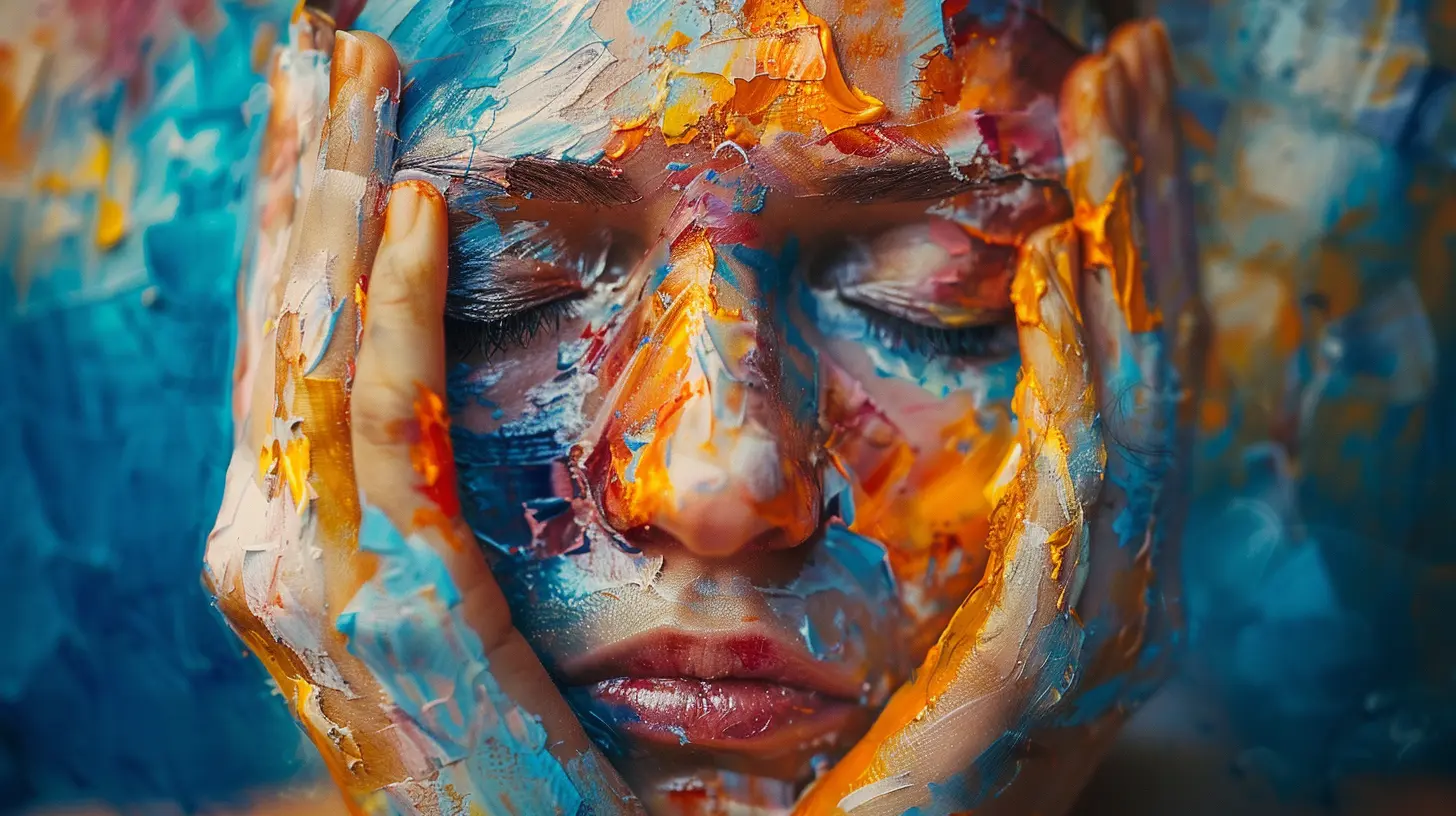
What is Art Therapy?
Before we get into the benefits, let's clarify what art therapy actually is. Art therapy is a form of psychotherapy that uses creative expression to improve mental well-being. It’s not about making a “perfect” painting or sculpting a museum-worthy statue—it’s about using art as an emotional outlet.Certified art therapists guide individuals through various creative activities like painting, drawing, sculpting, and even collage-making. These activities help people process emotions, reduce stress, and gain insight into their mental health.
Think of it this way: Sometimes, words just aren't enough to express what you're feeling. But colors, shapes, and textures? They have a language of their own. 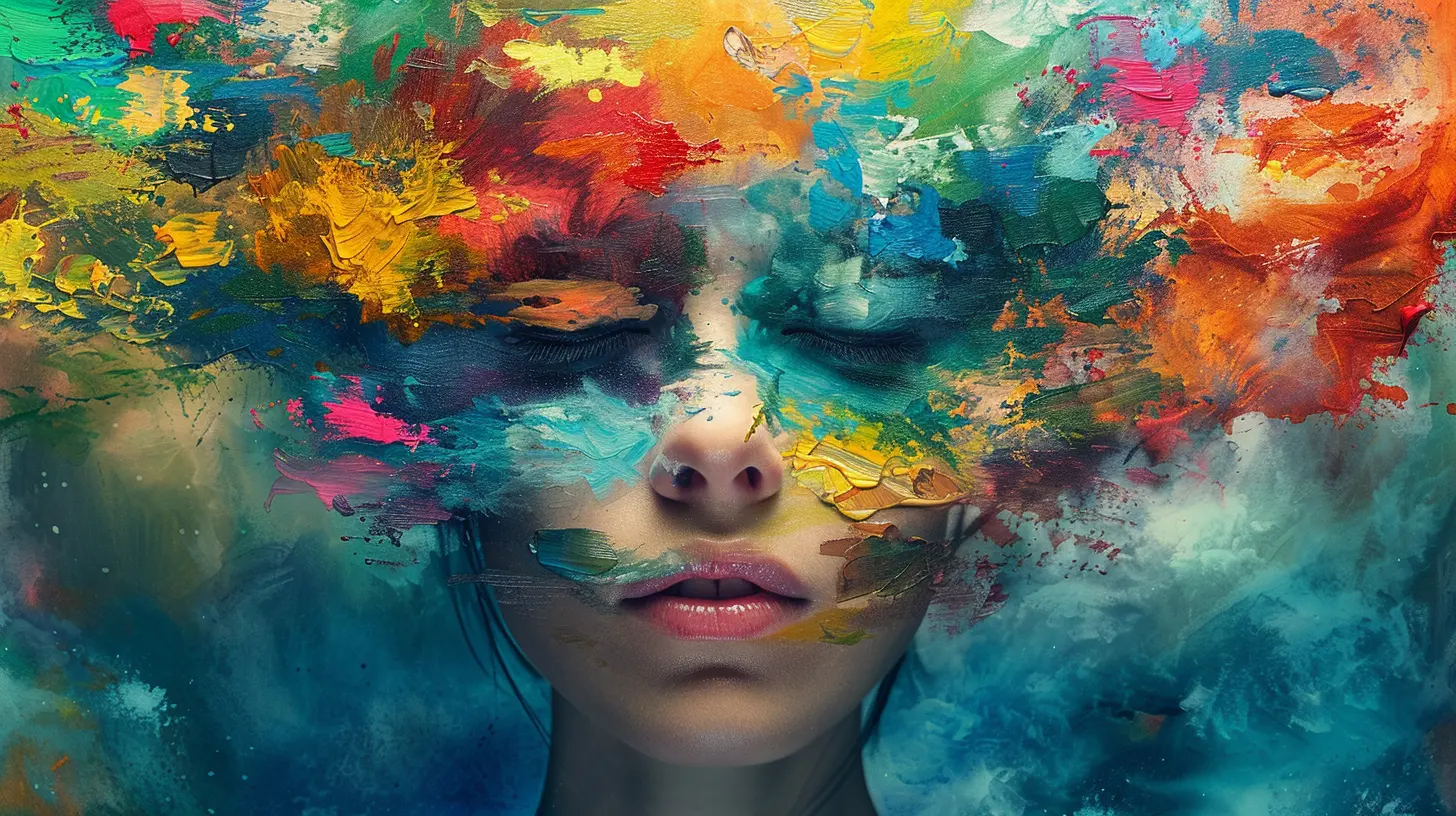
How Mood Disorders Affect Daily Life
Mood disorders, including depression and bipolar disorder, disrupt daily life in ways that can be isolating and exhausting. Some common challenges people with mood disorders face include:- Emotional highs and lows – Feeling euphoric one moment and deeply depressed the next.
- Chronic sadness and hopelessness – Struggling to find joy in things you once loved.
- Difficulty expressing emotions – Sometimes, you just don't have the words.
- Social withdrawal – Avoiding friends, family, and social events.
- Low motivation – Simple tasks feel overwhelming.
Traditional treatments like cognitive behavioral therapy (CBT) and medication can be incredibly effective. But when combined with art therapy, they become even more powerful. 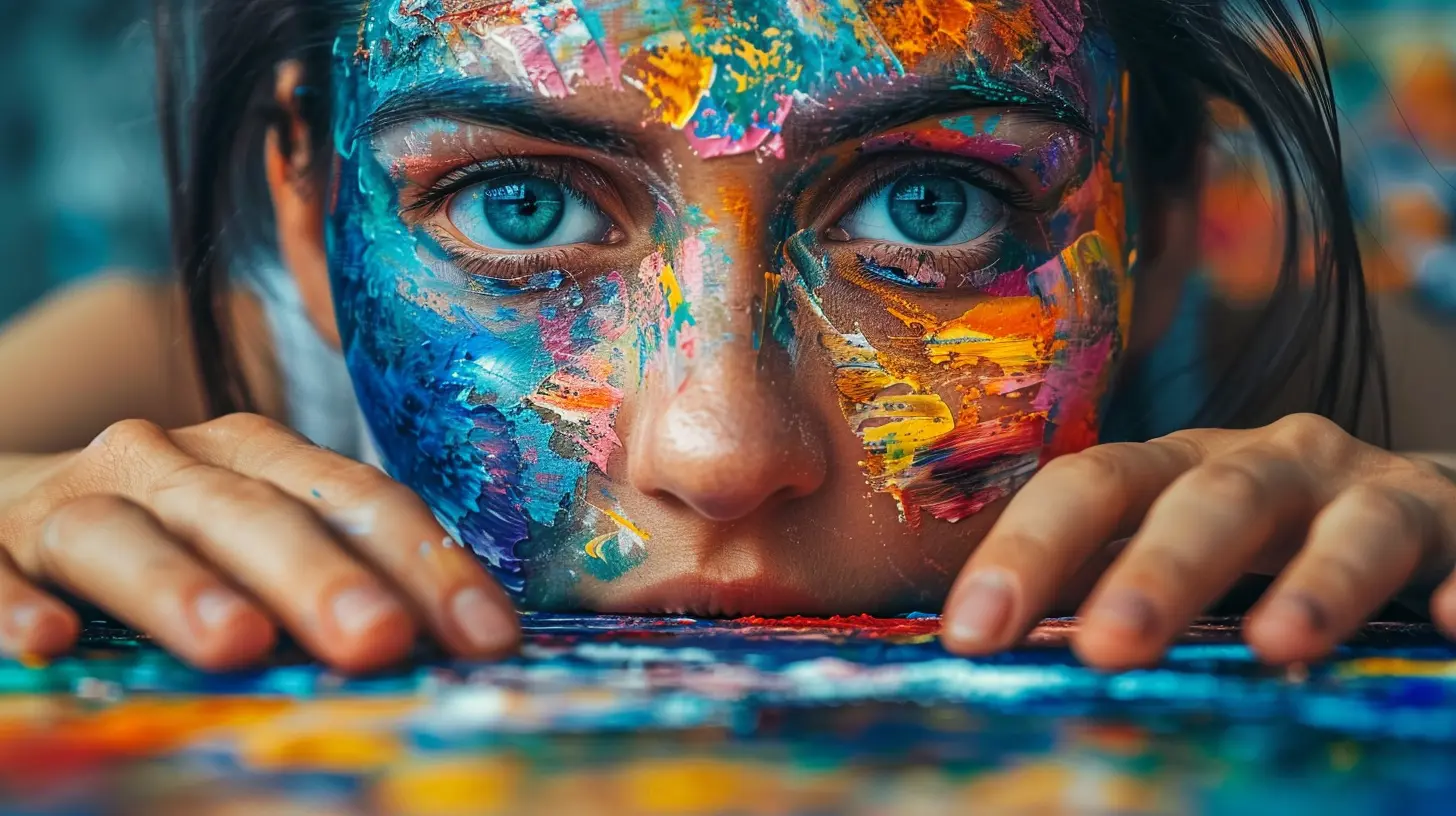
How Art Therapy Helps with Mood Disorders
1. Provides a Healthy Emotional Outlet
Ever felt so bottled up that you thought you might explode? Art therapy offers a safe space to release emotions in a way that words often fail to capture.For those battling depression, painting or sketching can bring deep-seated feelings to the surface, making them easier to process. Bipolar individuals may find that art helps them stabilize intense emotions and impulses.
Art therapy allows you to say what you need to say—without ever speaking a word.
2. Reduces Stress and Anxiety
Engaging in creative activities has been shown to lower cortisol levels (the stress hormone). Whether it's doodling, coloring, or simply scribbling on paper, the repetitive motions can have a meditative effect, similar to mindfulness practices.Colors also play a role in calming the mind. Ever notice how soft blues and greens feel soothing? Art therapists often encourage using colors that bring a sense of calm and stability.
3. Improves Self-Expression and Communication
Some emotions are just too complex to put into words. But through visual expression, thoughts and feelings that were buried deep inside can come to life.For those who struggle to explain their moods, art therapy becomes a form of non-verbal communication. It helps therapists and individuals identify emotional patterns and triggers, leading to meaningful breakthroughs in treatment.
4. Boosts Self-Esteem and Confidence
Creating something with your own hands—whether it’s a painting, sculpture, or even a simple drawing—cultivates a sense of accomplishment.Many individuals with mood disorders battle low self-esteem, often feeling like they don’t have control over their emotions or lives. But completing an art project? That’s tangible proof that they’re capable of creating something unique and meaningful.
It’s more than just a creative process—it’s an empowering experience.
5. Encourages Mindfulness and Being Present
Mood disorders often involve dwelling on the past or worrying about the future. Art therapy helps shift the focus to the present moment.The act of mixing paints, shaping clay, or even folding paper engages the senses, making it easier to stay grounded. It’s a form of mindfulness without having to sit cross-legged and meditate.
And the best part? There’s no right or wrong way to create art—every brushstroke counts.
6. Enhances Emotional Awareness and Regulation
People with mood disorders often struggle to understand or regulate their emotions. Art therapy bridges the gap between emotions and awareness.For example, choosing dark colors and rough textures might indicate inner turmoil, while bright, flowing strokes may reflect positive emotions. Art therapists help individuals interpret these expressions, leading to a deeper understanding of their emotional state.
Over time, recognizing these visual patterns can help individuals manage mood swings more effectively. 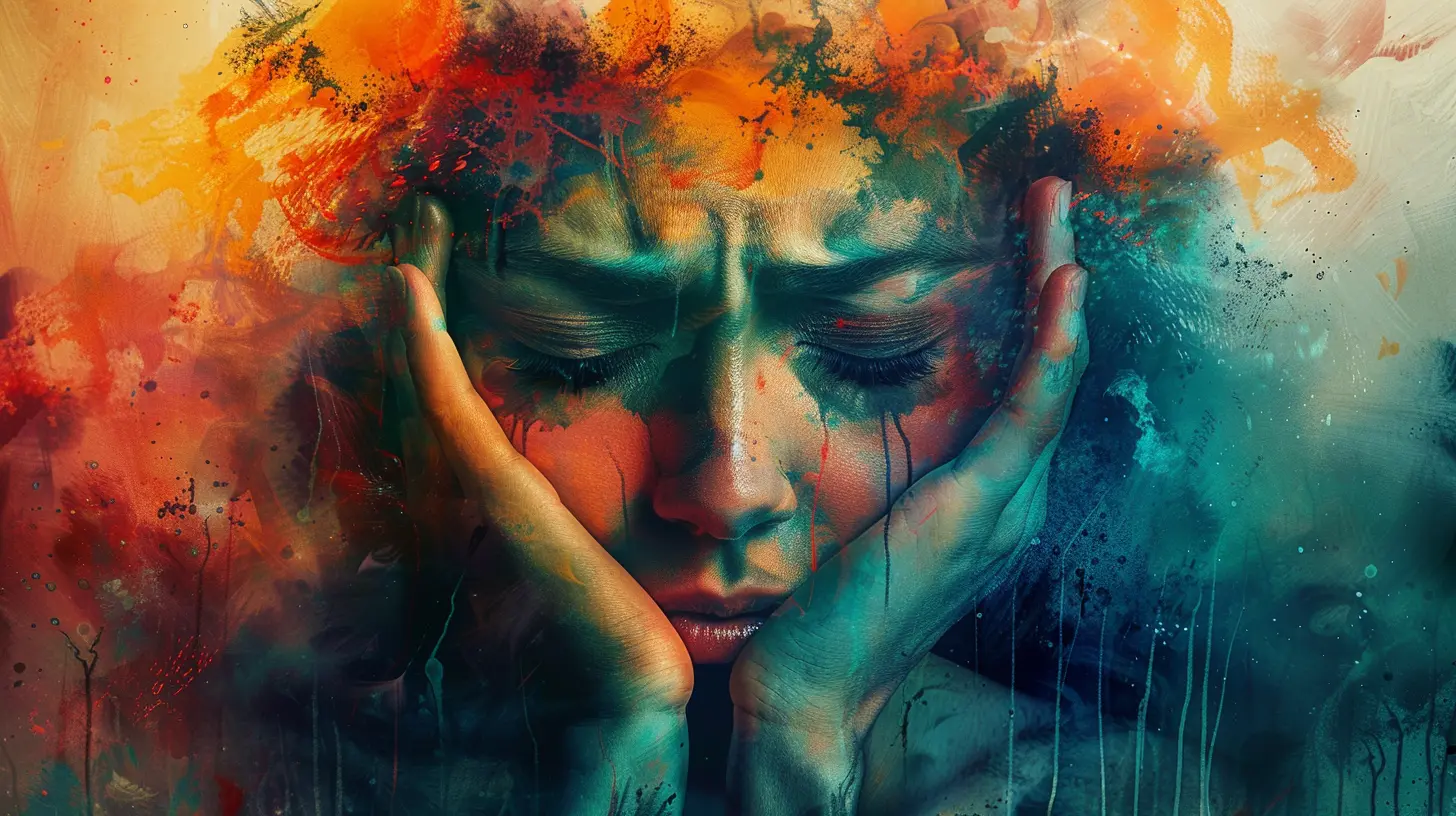
Who Can Benefit from Art Therapy?
Art therapy isn’t just for professional artists—it’s for anyone who wants to explore their emotions creatively. It has shown promising results for:- People with depression who struggle to express themselves verbally.
- Individuals with bipolar disorder looking for ways to manage mood fluctuations.
- Those with anxiety who need a calming and grounding activity.
- Anyone dealing with trauma or grief, as art therapy provides a form of emotional release.
Even if you’ve never picked up a paintbrush in your life, art therapy can still be beneficial. It’s about the process, not the product.
How to Get Started with Art Therapy
If you're interested in trying art therapy, here are a few easy ways to get started:1. Find a Registered Art Therapist
Working with a licensed art therapist ensures that your experience is tailored to your emotional and psychological needs. Search for certified professionals in your area or ask your therapist for recommendations.2. Start a Creative Journal
A sketchbook or journal dedicated to your emotions is a powerful tool. Instead of writing, try drawing, painting, or collaging to express how you're feeling each day.3. Try Color Therapy
Ever noticed how colors impact your mood? Experimenting with different colors in your artwork can help you understand your emotional responses better.4. Engage in Freestyle Drawing or Painting
Forget about rules—just create. Let your hands move freely and see what emotions come out on the canvas.5. Join an Art Therapy Group
Sometimes, creating alongside others who share similar struggles can be incredibly healing. Many mental health centers offer group art therapy sessions that provide both support and connection.Final Thoughts
Art therapy is more than just a creative hobby—it’s a powerful tool for emotional healing. Whether you're struggling with depression, bipolar disorder, or overwhelming stress, picking up a paintbrush (or even a crayon) can make a world of difference.So, why not give it a try? Let your emotions flow onto the canvas, and who knows—you might just discover a whole new way to heal.
all images in this post were generated using AI tools
Category:
Mood DisordersAuthor:

Christine Carter
Discussion
rate this article
2 comments
Isaiah Banks
Art therapy isn't just a creative outlet; it's a powerful tool for healing mood disorders. Embrace the canvas and unleash your emotions—transform pain into expression and reclaim your mental well-being.
March 5, 2026 at 5:05 AM
Christine Carter
Thank you for highlighting the transformative power of art therapy! It's indeed a valuable tool for emotional healing and well-being.
Meagan Acevedo
Ah yes, because nothing screams 'emotional healing' quite like splattering paint on a canvas while contemplating your existential dread. Who needs therapy sessions when you can simply channel your inner Picasso and call it a breakthrough?
February 6, 2026 at 5:38 AM
Christine Carter
Art therapy offers a creative outlet for processing emotions, and while it may not replace traditional therapy, it can be a valuable complementary tool for healing.