Exploring the Link Between Gut Health and Mental Illness: A New Frontier in Psychopathology
17 September 2026
Let’s talk about something that’s often overlooked when we think about mental health: the gut. Yep, that’s right—the place where your lunch ends up could have a lot more to do with your mood and mental well-being than you might think. Sounds a bit weird, doesn’t it? But the connection between gut health and mental illness is becoming one of the hottest topics in the world of psychology and medicine.
For decades, mental health was largely seen as something rooted solely in the brain. But now? We’re pulling back the curtain and seeing a much bigger picture—one that includes trillions of tiny microbes chilling in your belly. This new frontier in psychopathology is flipping everything we thought we knew on its head.
So grab a cup of tea (maybe probiotics, anyone?) and let’s dive into the fascinating gut-brain connection and how it could shape the future of mental health.
What’s the Gut-Brain Connection, Anyway?
Alright, let’s break it down. Your brain and your gut are in constant communication. We’re not talking about a casual one-way street here—it’s more like a two-way superhighway known as the gut-brain axis.This communication happens through:
- Neural pathways (like the vagus nerve)
- Hormones and neurotransmitters
- The immune system
- Gut microbiota—aka the trillions of bacteria, fungi, and viruses hanging out in your digestive tract
Think of the gut-brain axis as text messaging between your head and your stomach. If one’s not feeling great, the other usually gets the message.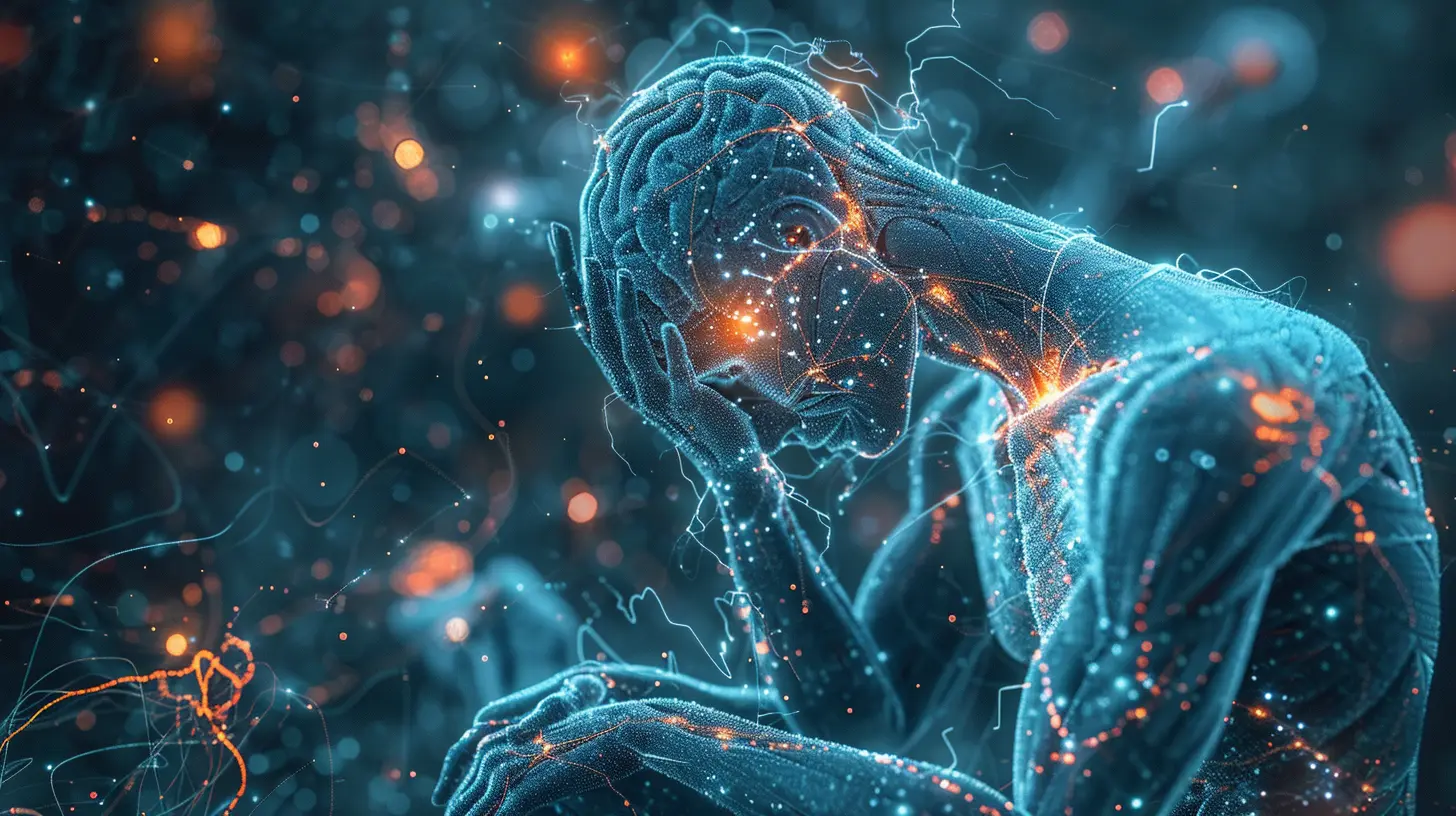
What’s Living in Your Gut? Meet the Microbiome
Your gut microbiome is like a bustling city of microscopic organisms. These little guys aren’t just freeloaders—they play a huge role in digestion, immune function, and, yep, mental health too.When your gut bacteria are balanced, everything tends to run pretty smoothly. But when things get out of whack? It could mess with more than just your digestion—it may also impact your mood, thoughts, and behavior.
Research shows that people with mental health conditions often have a different gut microbiota composition compared to those without these conditions.
Mental Illnesses Tied to Gut Health
So, which mental health issues are most closely tied to gut health? Let’s take a look.1. Depression
Depression is one of the most widely studied mental illnesses in relation to the gut. Multiple studies have found that people with depression often have lower microbial diversity—meaning fewer types of gut bacteria. That matters because a less diverse microbiome can make it harder for your body to produce important neurotransmitters like serotonin, which about 90% of is actually made in the gut!2. Anxiety
Ever had "butterflies" in your stomach before a big presentation? That’s your gut reacting to stress. Chronic anxiety, though, may be linked to long-term gut imbalance. In fact, some clinical trials show that probiotics can reduce anxiety-like symptoms in both animals and humans.3. Autism Spectrum Disorder (ASD)
Research has shown children with autism often suffer from digestive issues—and it’s not just a coincidence. Some scientists believe the gut microbiome might play a role in the severity of ASD symptoms. Fecal transplants (yeah, it sounds gross but stay with me) are being researched as a potential treatment for improving behavioral symptoms in ASD patients.4. Schizophrenia
Some early-stage studies suggest that gut bacteria may influence inflammation and neurotransmitter activity tied to schizophrenia. It’s still early days, but the potential for gut-based interventions is exciting.5. Bipolar Disorder
Mood swings in bipolar disorder may also relate to gut health. A few small studies hint that people with bipolar disorder might benefit from microbiome-targeting therapies, though more research is needed before we draw solid conclusions.
How Does the Gut Actually Affect the Brain?
Great question—let’s get into the science-y stuff (we’ll keep it simple, promise).Neurotransmitters
You know those brain chemicals like serotonin, dopamine, and GABA that help regulate your mood? Many of them are either produced or influenced by your gut microbiota.Inflammation
An unhealthy gut can leak harmful substances into the bloodstream—a condition called “leaky gut”. This can trigger systemic inflammation, which has been linked to depression, anxiety, and other mental conditions.Short-Chain Fatty Acids (SCFAs)
SCFAs like butyrate are byproducts of fiber fermentation in the gut and play a key role in brain health. They help reduce inflammation and may even protect against neurodegenerative diseases.Emerging Treatments and Therapies
This gut-brain thing isn’t just theoretical—it’s changing how we think about treatment in real-time.1. Psychobiotics
A fancy term for probiotics and prebiotics that have mental health benefits. These are “good” bacteria and their food, respectively. Some strains, like Lactobacillus and Bifidobacterium, are showing promise in reducing anxiety and depression.2. Dietary Interventions
What you eat dramatically affects your gut. Diets rich in fiber, fermented foods, and omega-3 fatty acids can help nurture a healthier microbiome. The Mediterranean diet, for instance, has been associated with better mental health outcomes—possibly due to its gut-supporting nutrients.3. Fecal Microbiota Transplantation (FMT)
Yep, this is real. Healthy poop from a donor is transplanted into a patient’s gut to restore balance. While still mainly used for severe gut infections, researchers are exploring its use in treating mental disorders.4. Antibiotics (With Caution)
While antibiotics can wipe out harmful bacteria, they also take out the good guys. Some studies show that unnecessary antibiotic use could increase the risk of depression and anxiety due to altered gut microbiota.Could This Change Psychiatry?
Honestly? It just might. Traditional psychiatry has focused heavily on the brain, often using medications like antidepressants or antipsychotics. But what if part of the root cause is in the gut?Integrative approaches that combine psychological, dietary, and microbiome-based strategies could revolutionize the way we think about and treat mental illness.
It’s like finally looking at the entire puzzle instead of just one corner.
How Can You Support Your Gut (and Mental) Health?
Okay, so how do you actually take care of your gut so your brain follows suit?1. Eat More Fiber
Whole grains, fruits, veggies, legumes—they all feed friendly bacteria and help them thrive.2. Add Fermented Foods
Think yogurt, kefir, sauerkraut, kimchi, miso. These are natural probiotic powerhouses. Just watch the sugar content—it can cancel out the benefits.3. Cut Back on Sugar and Processed Foods
Highly processed stuff can throw your microbiome totally out of whack. They also promote inflammation, which is no good for mental health.4. Stay Active
Regular exercise supports gut diversity and boosts feel-good brain chemicals. Win-win!5. Sleep Well
Your gut microbes follow a circadian rhythm too. Disrupted sleep can throw them off, which can mess with your mood.6. Manage Stress
Meditation, deep breathing, yoga—whatever works for you. Chronic stress can reduce good bacteria and increase gut permeability.Final Thoughts: Bridging the Gut and the Mind
We’ve come a long way in understanding mental health, but the gut-brain connection opens doors we didn’t even know existed. Is the gut the key to better mental health? Possibly. At the very least, it's a piece of the puzzle we can't ignore anymore.If you’re struggling with mental health symptoms, don’t just focus on your mind—take a look at your gut too. While we're not throwing traditional therapies out the window, adding gut-friendly practices to the mix might be the twist that makes all the difference.
So next time you feel “off,” don’t underestimate the power of your belly. Your gut might just have something important to say.
all images in this post were generated using AI tools
Category:
PsychopathologyAuthor:

Christine Carter
Discussion
rate this article
1 comments
Archer Long
Gut health profoundly influences mental wellness.
September 17, 2026 at 3:52 AM