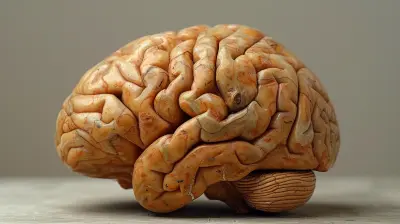
Early-Onset Mental Health Disorders in Children: What Parents Should Know
15 August 2026
Let’s face it—parenting doesn’t come with an instruction manual (unless you count midnight Googling after your kid says something wildly confusing). Raising little humans is one part science, two parts patience, and a generous helping of “What on earth was THAT about?”
Mental health in children, especially early-onset disorders, can be one of the most confusing and emotionally taxing parts of parenthood. One minute your child is happily building an imaginary castle out of couch cushions, the next they’re having a meltdown that makes you second-guess every parenting move you’ve ever made.
But don’t panic. You’re not alone, and more importantly, you’re not powerless. So, let’s break this down together—no jargon, no judgment, just the real-deal info on early-onset mental health disorders in kids. And yes, we’ll sprinkle in some levity along the way because, let’s be honest, parenting without humor is like peanut butter without jelly—it just doesn’t stick.
What Does “Early-Onset” Mean Anyway?
Let’s clear the fog first. “Early-onset” simply means that the signs or symptoms of a mental health condition appear during childhood or the early teenage years. We're talking anywhere from toddler tantrums that might not be just tantrums to a young teen showing signs of anxiety or depression.Now, a dramatic three-year-old screaming because you gave them the blue cup instead of the red one? That’s (usually) not clinical. But if certain behaviors persist longer than expected for their age and start interfering with daily life—school, play, even relationships—then it’s worth taking a closer look.
Why Should Parents Pay Attention?
Because kids aren’t just mini-adults. Their brains are still under construction. If you’ve ever seen a half-finished IKEA bookshelf and wondered whether it would hold a bag of marshmallows without collapsing, you get the picture.So, when a child experiences mental health challenges early on, it impacts everything from learning to social skills to self-esteem. Catching it early gives your child the best shot at figuring out how to thrive—not just survive.
Common Early-Onset Mental Health Disorders in Children
Before you dive into Dr. Google rabbit holes, let’s spotlight the most common early-onset conditions that parents might see in their kiddos:1. Anxiety Disorders
Anxiety in kids doesn’t always look like nervous pacing or sweaty palms. Sometimes it looks like a stomachache every morning before school, refusal to attend sleepovers, or even an intense meltdown over minor changes.There are different types too—generalized anxiety disorder (GAD), separation anxiety, social anxiety, and even specific phobias (hello, fear of toilets... yes, it’s real).
2. ADHD (Attention-Deficit/Hyperactivity Disorder)
Ah yes, the ever-moving, always-talking whirlwind child. But ADHD is more than just “energetic.” Kids with ADHD often struggle with focus, staying still, impulse control, or all of the above. They might interrupt constantly, forget instructions before you finish talking, or leave a trail of chaos that would make a tornado look polite.3. Autism Spectrum Disorder (ASD)
ASD can show up in many ways—some kids may not make eye contact, struggle to engage in pretend play, or become hyper-focused on specific topics (we’re looking at you, kids who know every single dinosaur species). It’s a neurodevelopmental condition, not a behavioral issue, and early intervention here is HUGE.4. Depression
Yes, kids can get depressed too. And no, it’s not just sadness. Childhood depression can look like irritability (think grumpier than Grumpy Cat), withdrawal from friends or activities they used to love, changes in sleep or eating, and even self-critical talk.5. Obsessive-Compulsive Disorder (OCD)
We’re not talking about liking a tidy room. OCD involves intense obsessions (unwanted thoughts) and compulsions (behaviors performed to “undo” those thoughts). In kids, this might look like repetitive handwashing, checking locks ten times, or needing things to be "just right."
Signs Parents Shouldn’t Ignore
So how do you tell the difference between a quirky phase and something more serious?Here’s a cheat sheet:
- Sudden mood swings that don’t match the situation
- Intense fears that interfere with daily activities
- Persistent sadness or withdrawal lasting weeks
- Changes in eating or sleeping patterns
- Trouble concentrating or following through on tasks
- Aggressive or violent behavior
- Regressing (e.g., bedwetting, baby talk) without a clear reason
- Talking about death, dying, or suicide
If your parental gut is waving red flags like a skydiver on caffeine, listen to it. There’s no harm in checking in with a professional—mental health isn’t something to “wait and see” with.
What Causes Mental Health Disorders in Kids?
This is where the plot thickens. There’s no single villain in this story. Often, it’s a mix of:- Genetics: Yep, the family tree strikes again.
- Brain chemistry: Sometimes the wiring’s just different.
- Environment: Trauma, bullying, family conflict—you name it.
- Prenatal factors: Things like exposure to toxins or maternal stress during pregnancy.
- Temperament: Some kids are just born more sensitive or reactive.
Think of mental health like a stew—several ingredients simmering together. You can’t always spot the one that tipped the flavor off.
How Parents Can Help (Without Losing Their Sanity)
Good news: You don’t need a Ph.D. in psychology to help your child navigate this journey. Here’s your parenting game plan:1. Start with Open, Honest Conversations
Talk with your child in age-appropriate ways. Ask how they’re feeling and actually listen. Validate their emotions. Avoid the “you have nothing to worry about” trap—nothing shuts a kid down faster.2. Get a Professional Evaluation
This isn’t about labeling—it’s about understanding. A psychologist, psychiatrist, or pediatrician trained in child mental health can help figure out what’s going on and what to do next. It’s like putting a name to the monster under the bed.3. Therapy Can Be Magic (No Wands Required)
Cognitive-behavioral therapy (CBT), play therapy, parent-child interaction therapy—there are tons of options depending on the diagnosis. Don’t worry, therapists know how to make these sessions kid-friendly and not just 60-minute lectures.4. Medication Isn’t the Villain
If a mental health professional suggests medication, it’s not a failure on your part. Sometimes, meds help regulate the chemical chaos and let therapy work its magic. Just like glasses help with vision, meds can help with focus, mood, or anxiety.5. Work with Schools
Teachers are often the first to notice behavioral changes. Partner with them. Create IEPs or 504 plans if necessary. You’re a team—team “Let’s Help This Awesome Kid.”6. Practice Self-Care (Yes, You!)
Parenting a child with mental health challenges can be exhausting. Therapy, support groups, journaling, yoga, chocolate—whatever helps you recharge. You can’t pour from an empty cup, remember?What Not to Do (No Judging, We’ve All Been There)
Let’s have a quick reality check on a few common missteps:- ❌ Don’t shame or punish your child for symptoms they can’t control.
- ❌ Don’t compare them to other kids (especially siblings).
- ❌ Don’t ignore your own feelings—parental guilt, stress, and grief are real.
- ❌ Don’t assume they’ll “grow out of it.” Early help beats late regret.
The Long-Term Outlook: Hope Ahead
Here’s the silver lining: Kids are resilient. Their brains are still learning and growing. With the right interventions, many children with early-onset disorders go on to live full, happy, successful lives. Think of mental health support as giving your child glasses for their brain—it helps them see the world clearly and navigate it better.And you, dear parent, are their greatest advocate, cheerleader, and safety net. Even when you feel like you’re winging it, just by caring and showing up, you’re making a difference.
Final Thoughts (Before You Go Make That Third Cup of Coffee)
Early-onset mental health disorders in children can be overwhelming—but they are not a life sentence. Early action, patience, and support can work wonders. Trust your instincts, seek help when needed, and remember that it’s okay not to have all the answers right now.What matters most is that you’re here, you’re invested, and you’re trying to understand what's going on inside that growing, swirling, wonderfully unique little brain of your child.
And hey, if all else fails, there's always therapy and cookies—sometimes in that order.
all images in this post were generated using AI tools
Category:
PsychopathologyAuthor:

Christine Carter
Discussion
rate this article
1 comments
Zadie McGuffin
Oh great, just what parents need-a guide on early mental health disorders in kids. Because who doesn't want to add "child psychologist" to their resume? Just what we signed up for, right?
August 20, 2026 at 4:57 AM
Christine Carter
I get your point. It's tough being a parent today, and mental health can feel overwhelming. But understanding these issues can really help us support our kids better.