Digital Addiction: A Growing Psychological Concern by 2027
22 April 2026
In today’s hyper-connected world, the term "digital addiction" is often thrown around like confetti at a party. But what does it really mean? And why is it becoming a psychological concern that we can no longer ignore? As we race toward 2027, it's time to take a closer look at the digital habits that many of us have developed and why they might be affecting our mental well-being.
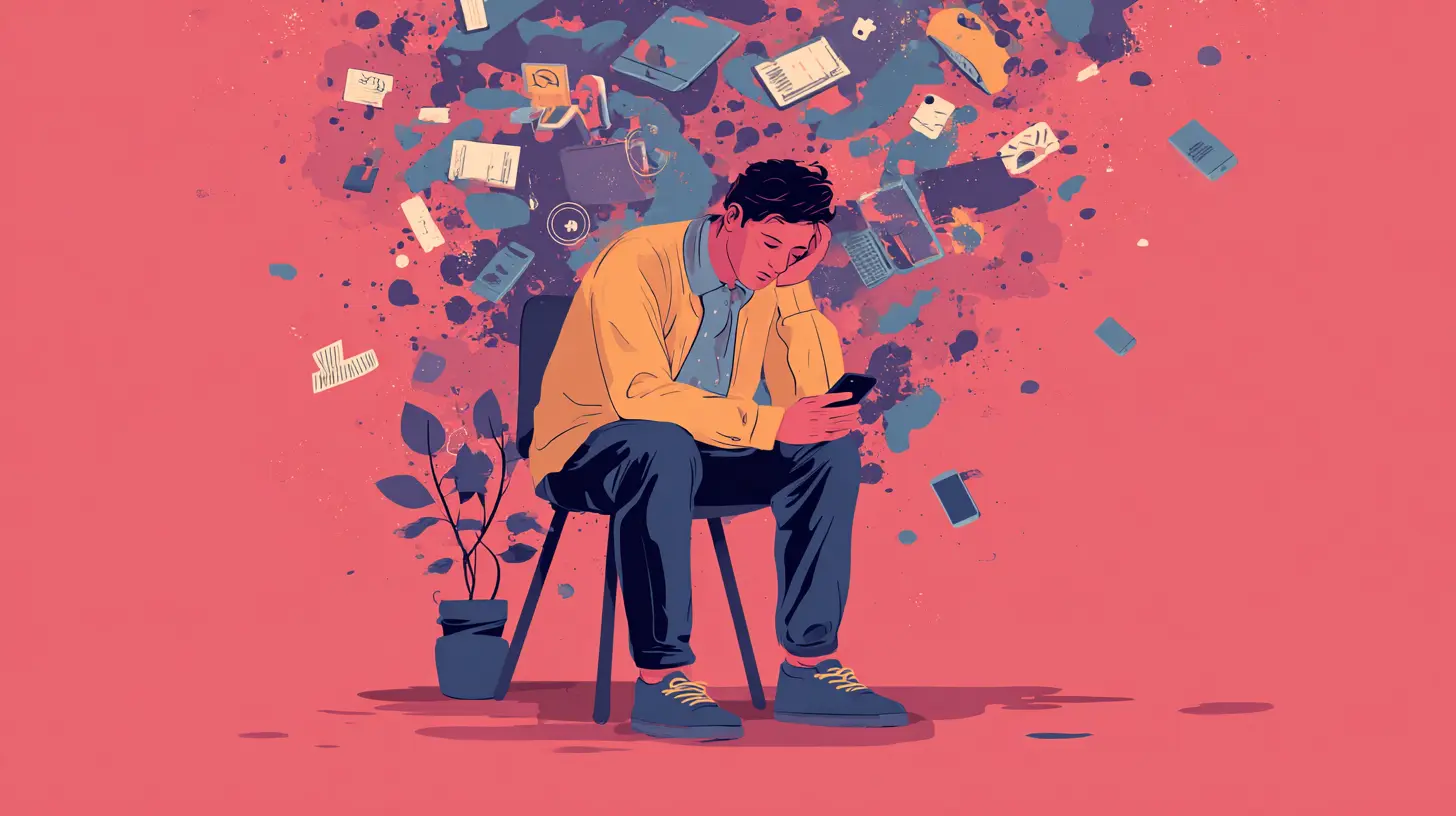
The Age of Connectivity: A Double-Edged Sword
Let’s face it: technology has changed our lives for the better in many ways. We can connect with friends across the globe, access a wealth of information at our fingertips, and enjoy entertainment like never before. But with every silver lining comes a cloud. Imagine technology as a shiny, alluring dessert—irresistible but, when consumed in excess, can lead to a sugar crash.The Rise of Digital Dependency
According to recent studies, nearly 30% of adults exhibit signs of digital addiction, and that number is expected to climb as we approach 2027. What does this mean for us? It means we might find ourselves scrolling through social media long after we intended to stop, or compulsively checking our emails the moment we wake up. Does that sound familiar?This dependency can manifest in various forms, including:
- Social Media Addiction: Constantly seeking validation through likes and comments.
- Gaming Addiction: Losing track of time while immersed in a virtual world.
- Information Overload: Feeling overwhelmed by the sheer volume of content available online.
The irony? While we think we’re staying connected, many of us feel more isolated than ever. Digital addiction can create a façade of connection while simultaneously deepening feelings of loneliness.
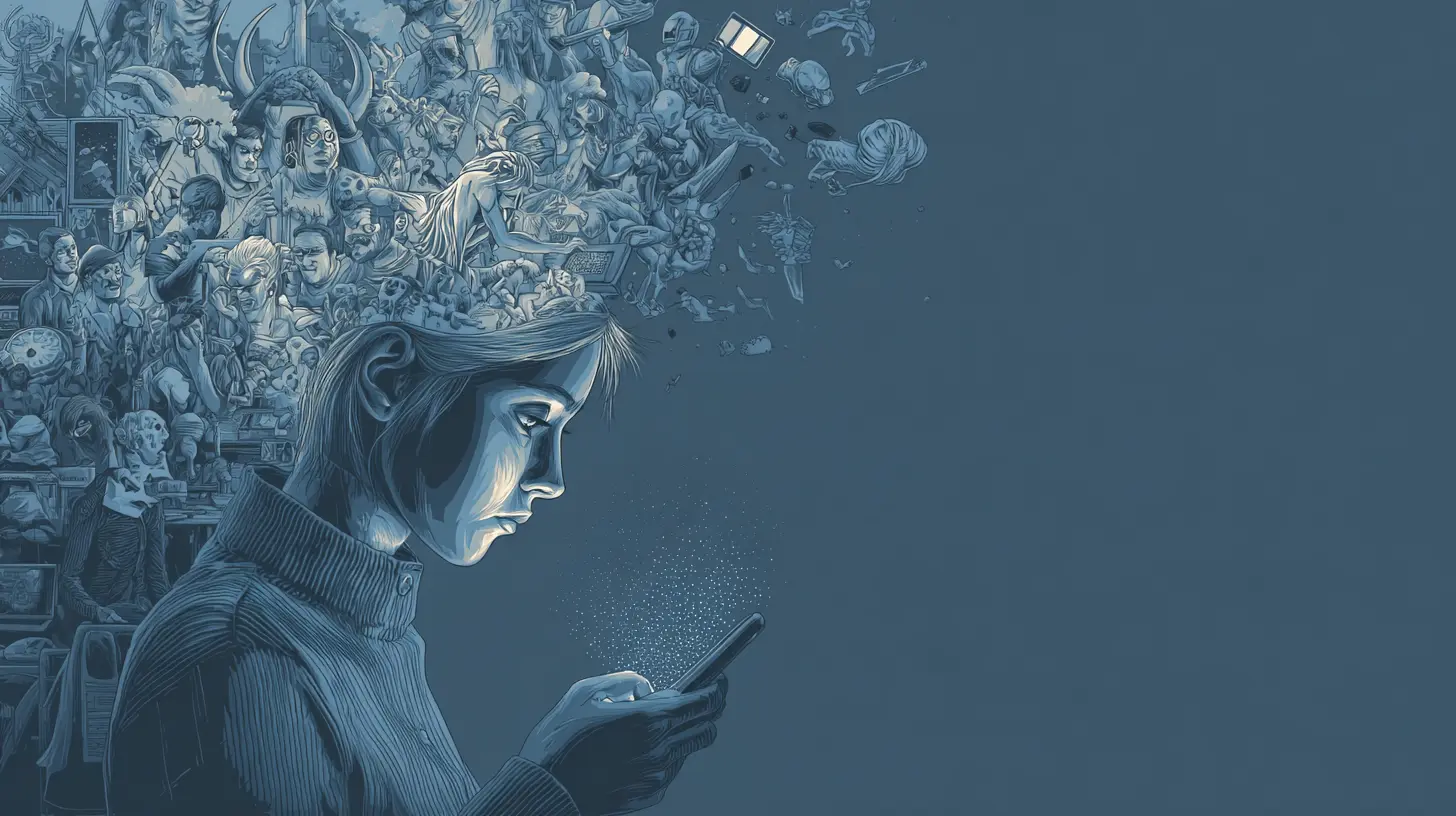
The Psychology Behind Digital Addiction
So, what's going on in our brains when we engage with digital devices? To put it simply, our brains are wired for reward. Each time we scroll, click, or post, our brain releases dopamine—often referred to as the "feel-good" hormone. It’s like being on a perpetual roller coaster of highs and lows. The more we engage, the more we crave that rush.The Cycle of Dopamine
Imagine this: you're playing your favorite video game, and you level up. That rush of excitement? It’s dopamine at work! But, just like any roller coaster, the thrill eventually ends, and you're left wanting more. This cycle can lead to compulsive behavior, where your brain begins to associate certain activities with pleasure and rewards—making it increasingly difficult to resist.If you find yourself saying, "Just one more episode," or "I’ll just check my phone one last time," you’re not alone. This is the influence of digital addiction, and it can take a toll on your mental health.

The Impact on Mental Health
The repercussions of digital addiction aren't just about lost time. They can seep into various aspects of our lives, affecting our mood, relationships, and overall well-being.Anxiety and Depression
Research suggests a strong correlation between excessive screen time and increased rates of anxiety and depression. Why? Because the more time we spend online, the more we may compare ourselves to others. Social media can create unrealistic standards of beauty, success, and happiness. Have you ever found yourself scrolling through Instagram and thinking, "Why isn’t my life as glamorous as theirs?"That constant comparison can lead to feelings of inadequacy, fostering anxiety and depressive symptoms. It’s like a vicious cycle—spending more time online leads to more negative feelings, which leads to even more screen time as a way to escape.
Sleep Disruption
Another often overlooked aspect of digital addiction is its impact on sleep. How many times have you found yourself glued to your phone right before bed? Blue light emitted from screens can disrupt our circadian rhythms, making it harder to fall asleep. Imagine trying to fall asleep with a bright flashlight shining in your face; that’s what your phone does to your brain!Poor sleep can lead to irritability, decreased cognitive function, and even chronic health issues. It’s crucial to establish boundaries around screen time to protect our sleep and, ultimately, our mental health.

Looking Toward 2027: What Can We Do?
As we approach 2027, it’s essential to take proactive steps to manage our digital consumption. We have the power to reshape our relationship with technology. Here are some strategies to help you reduce your digital dependency and enhance your mental well-being.Set Clear Boundaries
First things first: establish boundaries around your screen time. Try setting specific times for checking emails or social media. It’s like having designated snack times instead of mindlessly munching throughout the day. By creating a schedule, you can enjoy your digital treats without overindulging.Practice Mindfulness
Mindfulness can be a game changer when it comes to managing digital addiction. Take a moment to breathe deeply and focus on the here and now. When you feel the urge to reach for your phone, pause and ask yourself, "Am I doing this out of habit, or do I genuinely want to engage?"Incorporating mindfulness practices into your daily routine—like meditation or yoga—can help you cultivate awareness and balance.
Engage in Offline Activities
Remember the joy of reading a book or going for a walk? Engaging in offline activities can provide a much-needed break from screens. Whether it’s picking up a new hobby, exercising, or spending quality time with loved ones, these activities can replenish your mental energy and reduce the urge to reach for your devices.Digital Detox
Consider implementing regular digital detoxes. This could be a few hours each day when you disconnect or an entire weekend away from screens. Think of it as a cleansing ritual for your mind. You’ll be amazed at how rejuvenated you feel once you unplug.The Role of Society and Technology in Combatting Digital Addiction
While individual efforts are crucial, societal changes also play a significant role in addressing digital addiction. As we head toward 2027, tech companies and policymakers need to prioritize mental health in their strategies.Tech Companies
Imagine if tech companies designed their platforms with mental health in mind. Features that encourage breaks or limit screen time could make a substantial difference. We need to advocate for user-centered design that values mental well-being over constant engagement.Education and Awareness
Raising awareness about digital addiction is essential. Schools and workplaces can implement educational programs to inform individuals about the psychological impacts of excessive screen time. By fostering a culture of mindfulness and balance, we can create a supportive environment for healthy digital habits.
A Brighter Future: Embracing Balance
As we navigate the complexities of our digital world, it's vital to remember that technology is a tool—one that can be used for good or ill. By acknowledging the signs of digital addiction and taking proactive steps to manage our screen time, we can cultivate a healthier relationship with technology.In 2027, let’s aim to be a society that thrives on balance. Imagine a world where we can enjoy the benefits of technology without letting it consume us. A world where we prioritize mental health, foster genuine connections, and embrace the beauty of living in the moment.
Conclusion: Empowering Ourselves for Change
If you’re feeling overwhelmed by your digital habits, know that you’re not alone. The journey to overcoming digital addiction starts with awareness and a commitment to change.So, what steps will you take today? Whether it’s setting boundaries, practicing mindfulness, or engaging in offline activities, every small change counts. Together, we can create a brighter, more balanced future—one where we embrace the joys of connectivity without losing ourselves in the process.
Let’s make 2027 a year of empowerment, growth, and mental well-being!
all images in this post were generated using AI tools
Category:
Addiction PsychologyAuthor:

Christine Carter
Discussion
rate this article
1 comments
Kassidy Davis
This article raises fascinating points! I’m eager to explore how our relationship with technology will evolve and its psychological impacts.
April 26, 2026 at 3:32 PM
Christine Carter
Thanks for your thoughts! The evolution of our tech relationship is definitely worth exploring, especially with the growing concerns around digital addiction.