Creating a Healing Space at Home for Mental Wellness
4 November 2026
Ah, the home. A sanctuary of peace and tranquility... or a chaotic whirlwind of laundry, dishes, and never-ending Zoom calls. If you're reading this, chances are you're trying to figure out how to transform your abode into a healing space for mental wellness. Spoiler alert: it's not as easy as just throwing some pillows around and calling it a day. Let's dive deep into crafting a space that actually supports your mental health, sans the fluff.
Understanding the Concept of a Healing Space
What is a Healing Space?
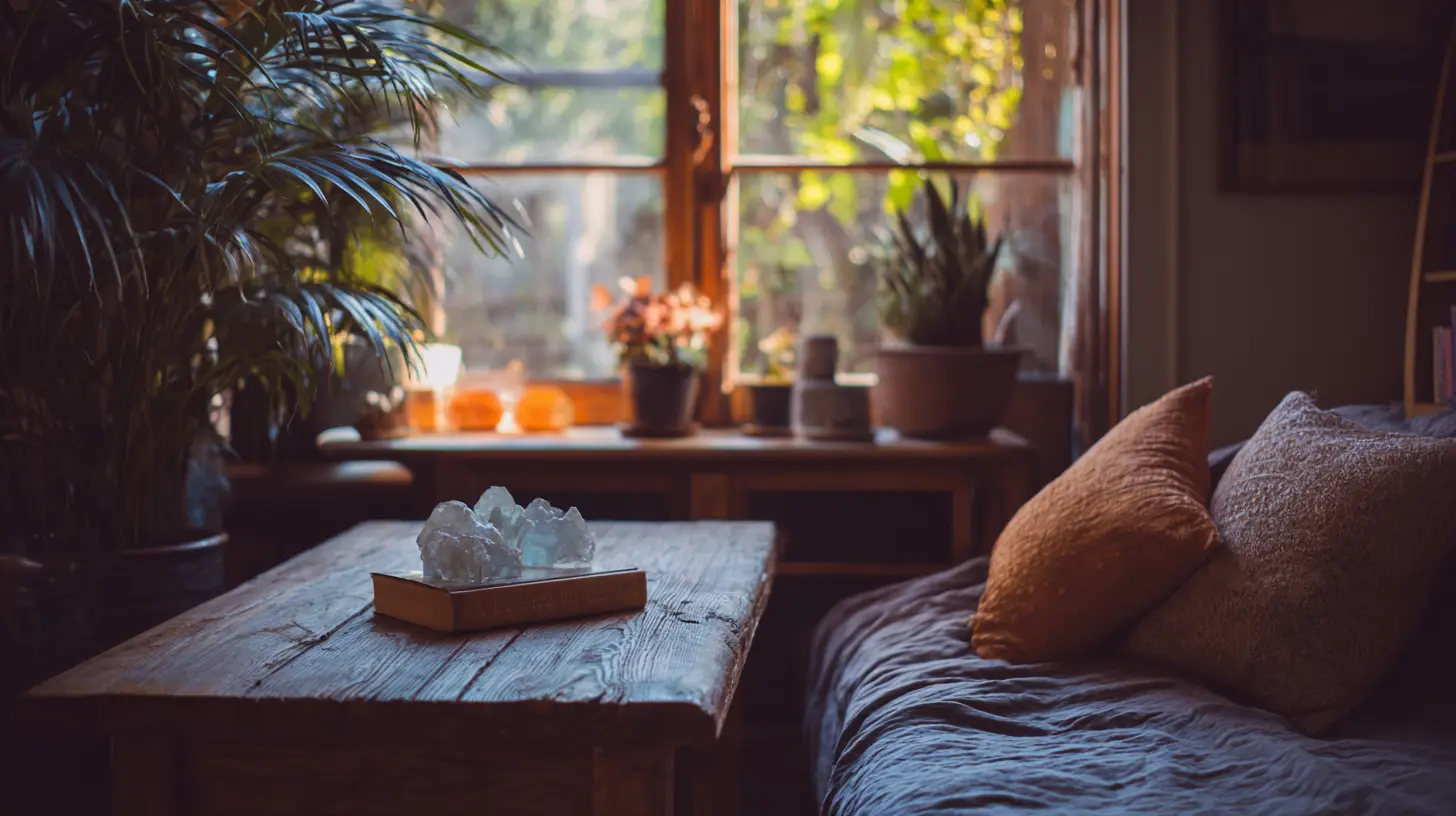
At its core, a healing space is an environment that fosters relaxation, mindfulness, and emotional well-being. It's not about having a Pinterest-perfect aesthetic but rather creating an atmosphere that resonates with YOU. Your healing space should feel safe, inviting, and soothing, acting as a refuge from the chaos outside.Why is it Important?
The environment we inhabit can significantly impact our mental state. A cluttered space can lead to a cluttered mind. Think about it: how can you possibly meditate when your living room looks like a tornado hit it? A healing space can promote clarity, reduce stress, and enhance overall well-being. It's not just about aesthetics; it's about functionality and fostering the right vibe.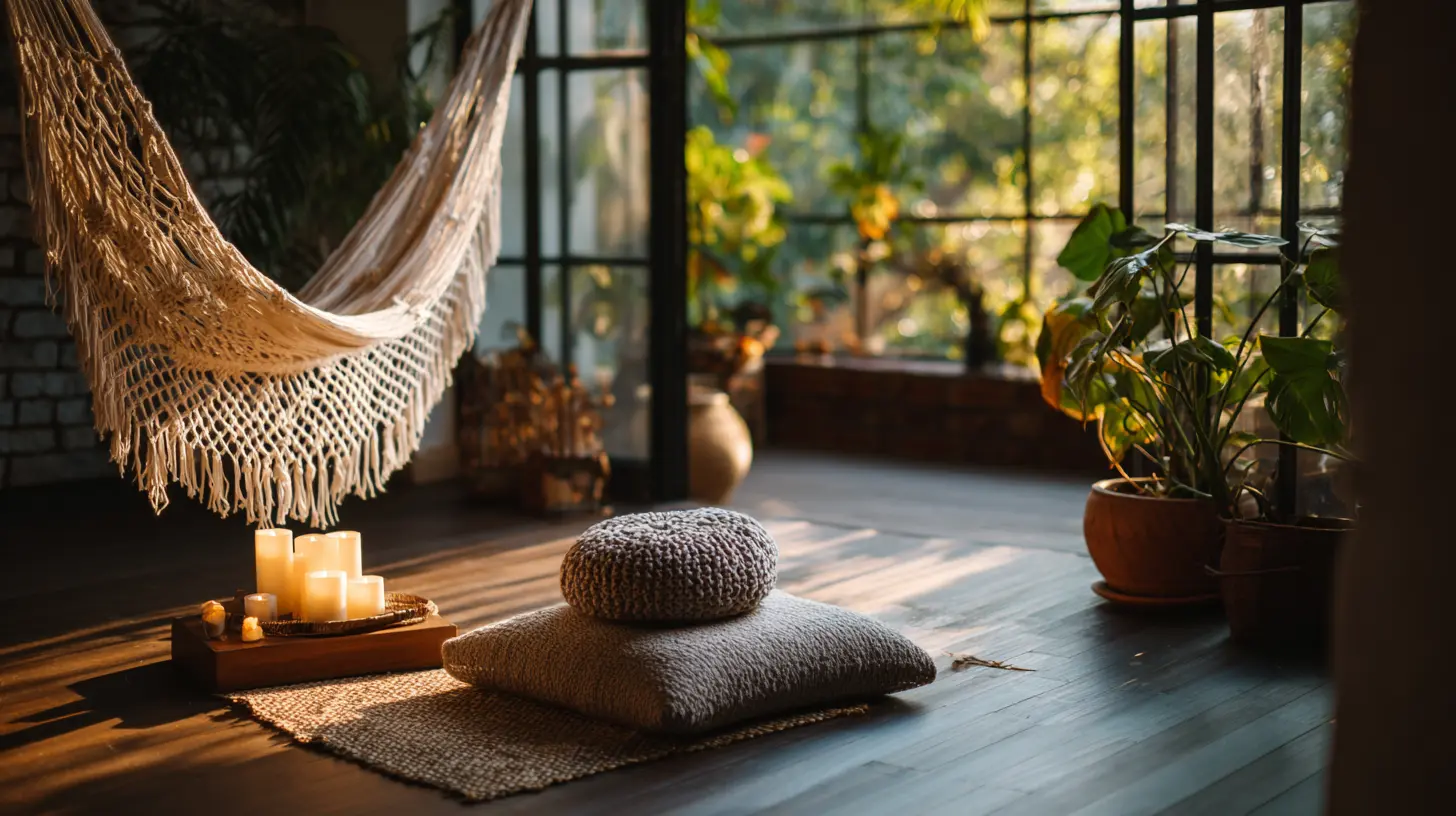
Identifying Your Needs
Assess Your Current Space
Before you start rearranging furniture or painting walls, take a good, hard look at your current environment. What does it say about you? Does it reflect your personality, or is it more of a museum exhibit showcasing your last few years of life choices? Identify areas that feel overwhelming or uninviting and consider how you can change them.Determine Your Preferences
Do you thrive in bright, open spaces, or do you prefer cozy nooks? Are you a minimalist, or do you have a penchant for eclectic decor? Understanding your preferences is crucial. Your healing space should cater to your personal needs rather than conforming to trends that don't resonate with you.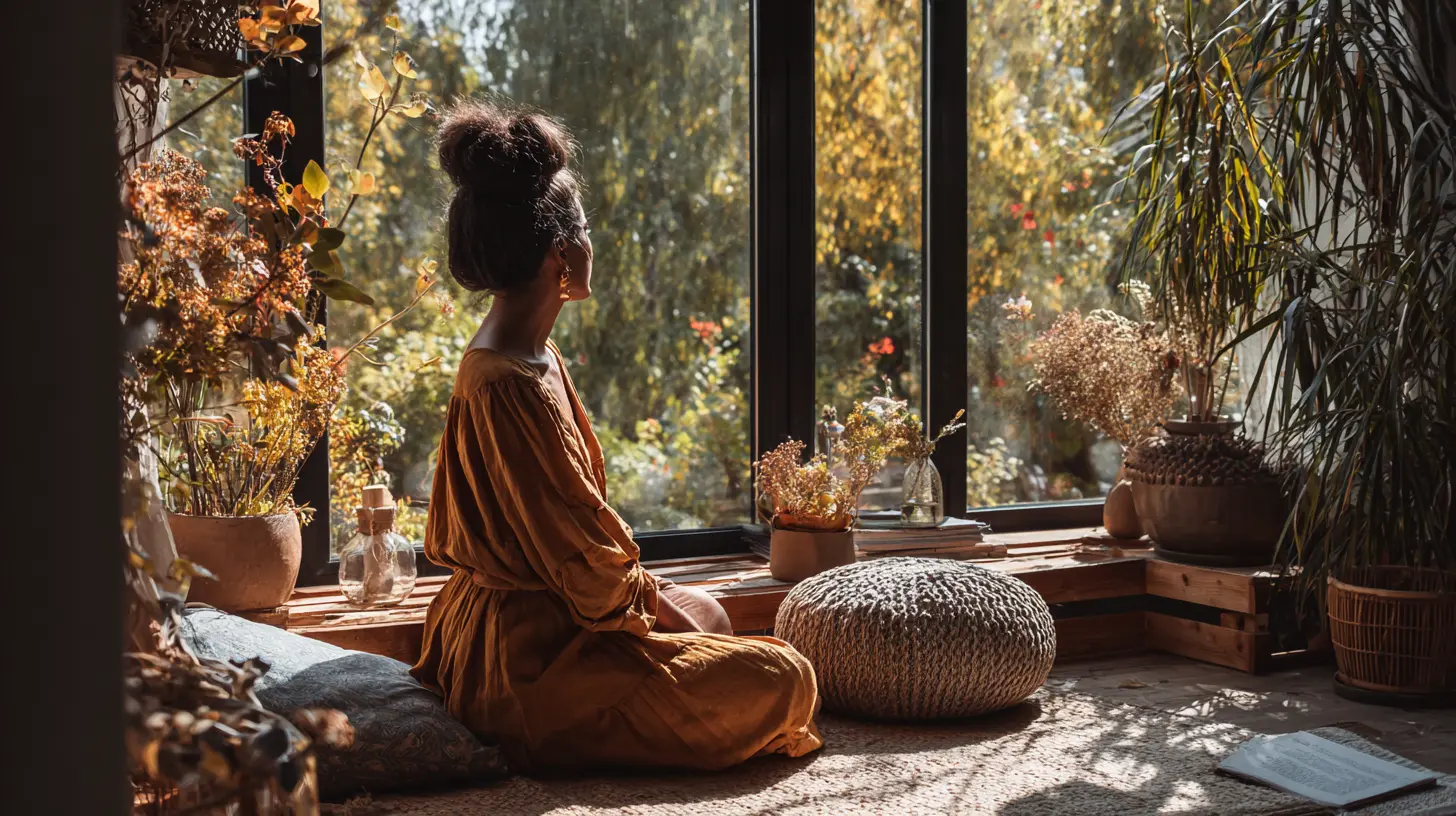
Key Elements of a Healing Space
Color Psychology
Colors can evoke various emotional responses. For instance, blues are calming, while yellows can energize. When choosing colors for your healing space, consider what emotions you want to evoke. But please, spare us the neon pink walls unless you're going for a disco vibe. Subtle, muted tones often provide a more soothing backdrop.Natural Light vs. Artificial Light
Natural light does wonders for mood. If you have a space that gets good sunlight, consider how to maximize it. You might want to invest in sheer curtains that let light in but still offer some privacy. If your home lacks natural light, opt for warm artificial lighting. Harsh fluorescents are not your friends here.Plants, Plants, and More Plants
Plants can instantly uplift a space. They purify the air and bring a touch of nature indoors, which is always a bonus for mental wellness. If you have a black thumb, consider low-maintenance options like snake plants or pothos. They're forgiving and won't judge you for forgetting to water them.Comfort is Key
Furniture matters. You might love your vintage chair, but if it's uncomfortable, it's doing you no favors. Invest in pieces that are both functional and comfy. Think about how you want to use the space-reading, meditating, or maybe just binge-watching your latest obsession. Create zones that cater to these activities.
Creating Zones Within Your Space
Relaxation Zone
This is your go-to spot for unwinding. It could be a cozy corner with a plush chair, a pile of blankets, and your favorite book. Make it inviting. Add a scented candle or essential oil diffuser to enhance the experience. It's all about creating an oasis for your mind to rest.Productivity Zone
A small desk or a dedicated area for work can help create boundaries between your work and relaxation. Ensure this space is organized and free from distractions. A cluttered workspace can lead to a cluttered mind, so keep it tidy. Invest in desk organizers, and for the love of all that is sacred, keep your snack wrappers off the desk.Mindfulness Zone
This is where the magic happens-meditation, yoga, or just a moment of peace. A simple mat, some cushions, or even a soft rug can create an inviting space for mindfulness practices. Consider using soft music or nature sounds as a backdrop. It's your personal retreat from the madness of daily life.The Role of Personalization
Infusing Your Personality
You are not a robot, so why should your healing space look like one? Infuse it with items that reflect your interests and passions. This could be artwork, photographs, or artifacts from your travels. Surrounding yourself with things that make you happy will enhance the healing properties of the space.Creating a Vision Board
A vision board can serve as a daily reminder of your goals, dreams, and aspirations. It not only adds a personal touch but can also inspire you when motivation wanes. Just be careful not to overcrowd it with ambitions that are too lofty. Rome wasn't built in a day, and neither is your mental wellness.
Common Mistakes to Avoid
Over-Decorating
Less is often more. While it's tempting to fill every corner with decor, clutter can be counterproductive. Over-decorating can lead to distraction rather than relaxation. Choose a few meaningful pieces and let them shine.Ignoring Sound
Sound is an underappreciated element in creating a healing space. Whether it's the annoying hum of a fridge or the chaotic noise from outside, sounds can disrupt your calm. Consider soundproofing options or incorporating soft background sounds that promote relaxation.Neglecting Maintenance
A healing space requires upkeep. Regularly declutter and refresh the space to keep it feeling vibrant. Dusting off that beautiful plant you bought six months ago is key to maintaining its positive energy. A neglected space can quickly become a source of stress rather than relief.Making Adjustments Over Time
Seasonal Changes
Just as the seasons change, so should your space. Rotate decor based on the time of year-cozy blankets and warm colors in winter, airy fabrics and bright colors in spring. This not only keeps the environment fresh but can also elevate your mood.Listening to Your Needs
As you evolve, so will your needs. What worked for you last year may not resonate now. Regularly assess how your space feels and be open to making changes. Flexibility is crucial in maintaining a healing environment.
Conclusion
Creating a healing space at home for mental wellness is a journey, not a destination. It takes time, effort, and a good dose of self-reflection. By understanding your needs, incorporating key elements, and avoiding common pitfalls, you can craft an environment that truly supports your mental health. Remember, your home should be your sanctuary, not a source of stress. So go ahead, embrace the process and make your space your own.
all images in this post were generated using AI tools
Category:
Holistic Mental HealthAuthor:

Christine Carter