Common Misconceptions About Psychological Testing
1 September 2026
Psychological testing might sound like one of those super clinical, behind-the-curtain processes that only psychologists and therapists really understand. But here's the thing — it's actually not as mysterious or intimidating as it seems. Whether you've taken a psychological test before, or are just curious about what it involves, chances are you've bumped into a few myths that don’t really hold water.
In this article, we're going to bust some of the most common misconceptions about psychological testing. We’ll keep it real, relatable, and informative — without the jargon overload. So, let’s dive into what's fact, what's fiction, and why it matters.
What Is Psychological Testing, Really?
Before we get into the misconceptions, let's quickly get on the same page.Psychological testing refers to a range of assessments used to measure different aspects of a person’s mental functioning. Think intelligence, personality, aptitude, memory, emotional functioning — stuff that gives professionals a better understanding of how someone thinks, feels, and behaves.
So no, it’s not just about finding out if someone has a mental illness. It’s way broader than that.
Misconception #1: "Psychological Testing Is Only for 'Crazy' People"
Let’s just say it — the word “crazy” has no place in modern psychology. This outdated idea thrives on stigma. Psychological testing isn't exclusive to people with mental health disorders. In fact, a lot of people take psychological tests for all sorts of reasons:- School evaluations (think ADHD or learning disabilities)
- Workplace aptitude or personality assessments
- Career planning
- Cognitive evaluations after an injury
- Even court cases in legal contexts
So no, getting tested doesn’t mean you’re “broken” or “damaged.” It just means there's something you or someone else wants to better understand. Just like a blood test helps a doctor figure out what's going on physically, psychological assessments help paint a picture of what’s happening mentally or emotionally.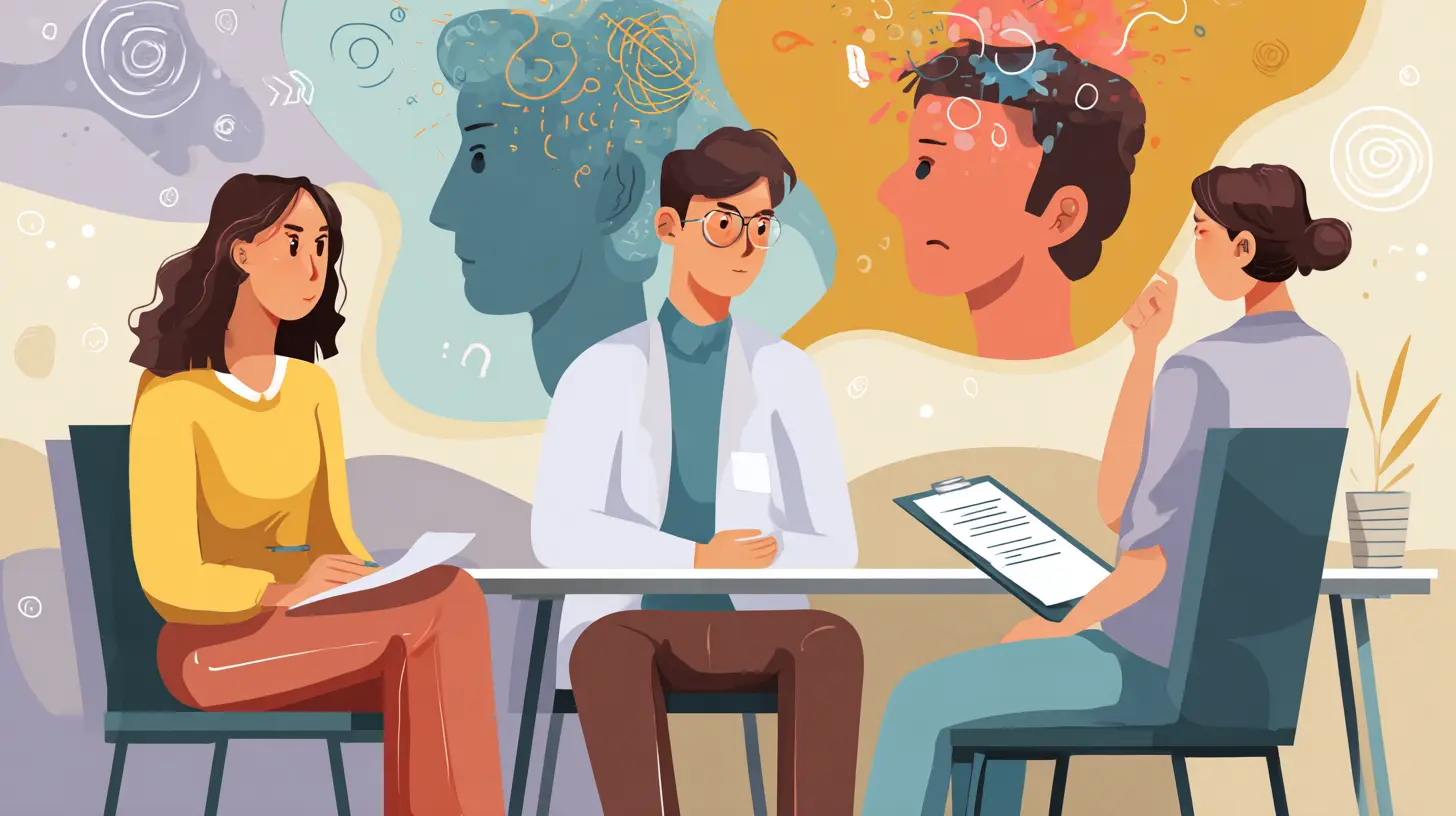
Misconception #2: "These Tests Can Read Your Mind"
Wouldn’t that be something? Unfortunately for all the psychic fans out there — psychological tests aren't mind readers. They can give clues and insights based on how someone responds, but they're not magical tools.Most tests are standardized, meaning they've been tested on large samples of people in order to measure specific traits or abilities. The results you get are based on patterns, comparisons, and probability, not prophecy.
Psychologists combine test scores with interviews, observations, and sometimes input from other people in your life. So, the test isn’t a crystal ball — it's more like a flashlight that helps shine light on areas we might want to understand better.
Misconception #3: "A Single Test Result Defines Who You Are"
Imagine going to the gym once, lifting a dumbbell, and assuming that's your permanent fitness level. Sounds ridiculous, right? Same thing applies to psychological testing.One test, or even a single score on a test, doesn't define you. People are way too complex for that.
Let’s take an IQ test as an example. A number can't capture your creativity, emotional intelligence, resilience, or depth of personal experience. Test results are just a part of the puzzle — they help inform the big picture, but they’re not the whole picture.
Plus, people change. Your mental state today might not be the same a year from now. Life happens. Growth happens.
Misconception #4: "All Psychological Tests Are the Same"
Nope! Psychological tests are as different as apples and oranges — and sometimes bananas.Broadly speaking, they fall into a few categories:
- Cognitive/Intelligence Tests: Measure things like memory, reasoning, problem-solving (e.g., IQ tests)
- Personality Tests: Explore traits, behavior patterns, and emotional functioning (e.g., MMPI, Big Five)
- Neuropsychological Tests: Focus on brain functions, especially after injury or illness
- Achievement and Aptitude Tests: Evaluate knowledge or potential for learning
- Projective Tests: Open-ended assessments like the Rorschach Inkblot Test
Different goals mean different tests. A psychologist won't use a personality test to evaluate memory loss, for instance. The choice of test depends entirely on what they’re trying to understand.
Misconception #5: "You Can Cheat on a Psychological Test"
Let’s be honest. If you’re thinking about “gaming the system” — it might backfire.Most psychological tests are designed to detect inconsistencies. Some even have built-in "validity scales" to catch unusual patterns or fake answers.
Trying to look “better” or “worse” might only complicate things. Remember, the goal isn’t to pass or fail — it’s to understand. Being honest leads to more accurate results, which means better support or guidance tailored to you.
So really, cheating doesn’t help anyone, least of all yourself.
Misconception #6: "Test Results Are Always 100% Accurate"
Reality check — no test is perfect.Psychological tools can be incredibly useful, but they’re not infallible. Results can be influenced by:
- Mood or anxiety on the day of testing
- Quality and clarity of the instructions
- Cultural or language differences
- Fatigue or distractions
That’s why test results usually aren’t interpreted in isolation. Professionals look at context, behavior, and multiple sources of information before drawing conclusions. It's part of why you should always have feedback sessions after assessments — that’s where the real magic happens in terms of interpretation.
Misconception #7: "Online Tests Are Just as Reliable"
Alright, let’s talk about those endless quizzes we scroll through online. “Which Disney Princess Are You?” “Find Out Your Hidden Personality Type!” Fun? Sure. Accurate? Um… not really.Online tests can be entertaining and sometimes surprisingly insightful, but they rarely meet the same scientific standards as professionally developed psychological assessments.
Real psychological tests:
- Are validated through research
- Are administered under standardized conditions
- Require trained professionals to interpret results
By contrast, online quizzes often lack reliability or validity. So while they can spark curiosity, don’t make major life decisions based on your answers from BuzzFeed.
Misconception #8: "Psychological Testing Is Only for Diagnosing Mental Disorders"
While diagnosis is one function of psychological testing, it's definitely not the only one.In schools, tests can identify giftedness or pinpoint specific learning challenges. In workplaces, they might be used for leadership development or improving team dynamics. In therapy, tests can help understand emotional strengths and areas for growth.
So yes, psychological tests can sometimes lead to a diagnosis — but they’re just as useful for self-awareness, growth, and goal-setting.
Misconception #9: "If You Score Low, You're Not Intelligent or Capable"
Let’s throw this idea in the trash where it belongs.A “low” score on any psychological test doesn’t mean you’re less valuable, less worthy, or less capable. Tests can’t measure grit, creativity, compassion, or determination — qualities that truly define us.
What a lower score might mean is that someone processes information differently or could benefit from support in a specific area. And that’s okay. It’s not about labeling — it’s about understanding and improving quality of life.
Remember, Albert Einstein was considered a slow learner in school. Just saying.
Misconception #10: "Psychologists Use Tests to Judge People"
Let’s clear this one up — psychologists aren’t out to judge you.Their job is to help you understand yourself better, not to criticize or categorize you. They use assessments as tools — like a carpenter uses a hammer — to build insight.
Mental health professionals are trained to approach test results with empathy, curiosity, and care. Their goal is to support, not to shame.
Why These Misconceptions Matter
These myths might seem harmless, but they can actually stop people from seeking help when they need it. The fear of being labeled, misjudged, or misunderstood might prevent someone from benefiting from psychological testing.But when done right, testing can be empowering. It can shine a light on strengths, reveal hidden challenges, and offer a roadmap for personal growth. Whether you're a student, a parent, a manager, or just someone curious about yourself — psychological testing can offer clarity.
The more we bust these myths, the more approachable and helpful this process becomes for everyone.
Final Thoughts
Psychological testing isn’t something to fear or feel weird about. It’s just another tool in the mental health toolkit — one that, when used properly, can offer incredible insight and direction.If you’re ever asked to take a psychological test (or decide you want one), ask questions. Get clarity. Be open. Because at the end of the day, it’s all about understanding you — the wonderfully complex, ever-evolving human being.
all images in this post were generated using AI tools
Category:
Psychological AssessmentAuthor:

Christine Carter
Discussion
rate this article
2 comments
Natalia Russell
This article is a breath of fresh air. It clears up so many myths about psychological testing. Understanding the truth can really help us all.
September 8, 2026 at 2:59 AM
Christine Carter
Thank you! I'm glad you found it helpful. Clearing up these myths is important for better understanding.
Juniper West
So, if you thought psychological tests were just a way to find out if you're more cat person or dog person, think again! They don't come with a quiz on your favorite pizza topping either. It's serious stuff, folks... unless you're hoping for a free therapy session with your results!
September 5, 2026 at 3:04 AM
Christine Carter
You make a great point! Psychological tests go far beyond simple preferences and can really shed light on deeper aspects of personality and behavior. It's interesting how many misconceptions there are about their purpose.