How Cognitive Dissonance Shapes Cultural and Religious Beliefs
2 March 2026
Have you ever felt that uncomfortable pit in your stomach when something you believe in clashes with what you're seeing or hearing? That’s cognitive dissonance kicking in. It’s that psychological tug-of-war that happens when our beliefs don't line up with our actions or with new information we’re faced with.
Now, imagine that same feeling, not just on a personal level, but embedded in the very fabric of our cultures and religions. Sounds intense, right? That’s because it is. Our beliefs — especially those tied to culture and religion — often go unquestioned, passed down through generations like family heirlooms. But what happens when new ideas challenge these long-held beliefs? Enter cognitive dissonance. It's not just a personal phenomenon; it plays a massive role in shaping, reinforcing, and sometimes even transforming entire belief systems.
In this deep dive, we’re going to unpack how cognitive dissonance influences the way people hold on to — or modify — cultural and religious beliefs. If you've ever wondered why people double down on beliefs that seem outdated or contradictory, stick around. This gets pretty fascinating.
What Exactly Is Cognitive Dissonance?
Let’s break it down with a bit of psychology 101.Cognitive dissonance is a theory developed by psychologist Leon Festinger back in the 1950s. In simple terms, it refers to the mental discomfort we feel when we hold two or more contradictory beliefs, values, or ideas — or when our behavior doesn’t match our beliefs.
Think of your brain like a puzzle. When all the pieces (beliefs and behaviors) fit, everything feels great. But when a piece doesn't quite match? It causes discomfort. And humans? Well, we hate discomfort. So, we try to resolve that inconsistency in a variety of ways — rationalizing our actions, rejecting conflicting information, or even changing our beliefs altogether.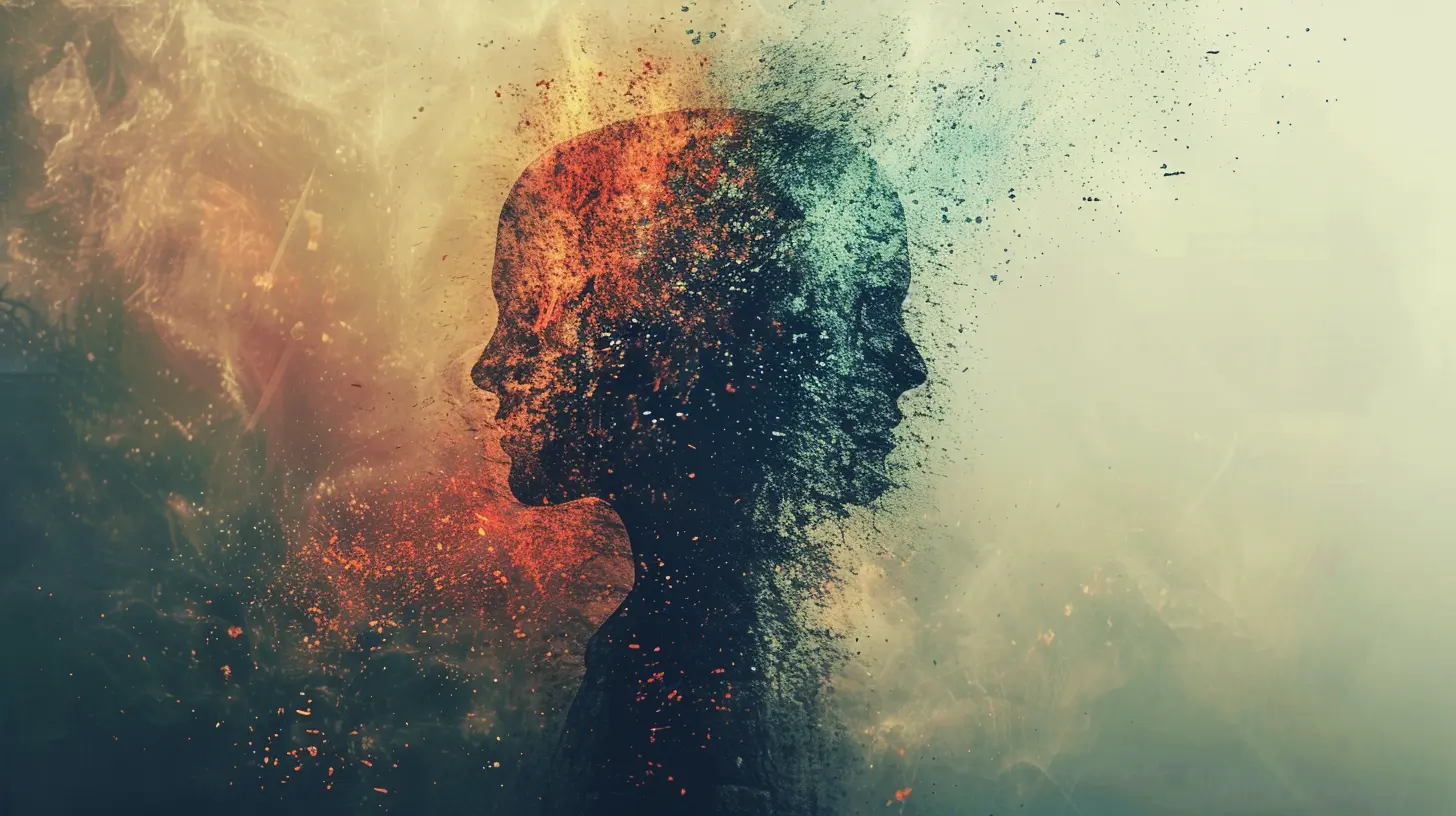
Culture and Religion: The Strongholds of Human Identity
Before jumping into how dissonance plays a role, let’s talk about just how powerful cultural and religious beliefs are.Culture is more than food and fashion — it’s the lens through which we see the world. It's in our traditions, our language, our values. Religion? Even more potent. It often provides the ultimate answers: Why are we here? What’s right or wrong? What happens after death?
These beliefs become a part of who we are. They're imprinted on us from childhood, reinforced by family, community, and rituals. Changing them isn’t just about switching opinions — it’s often about redefining identity.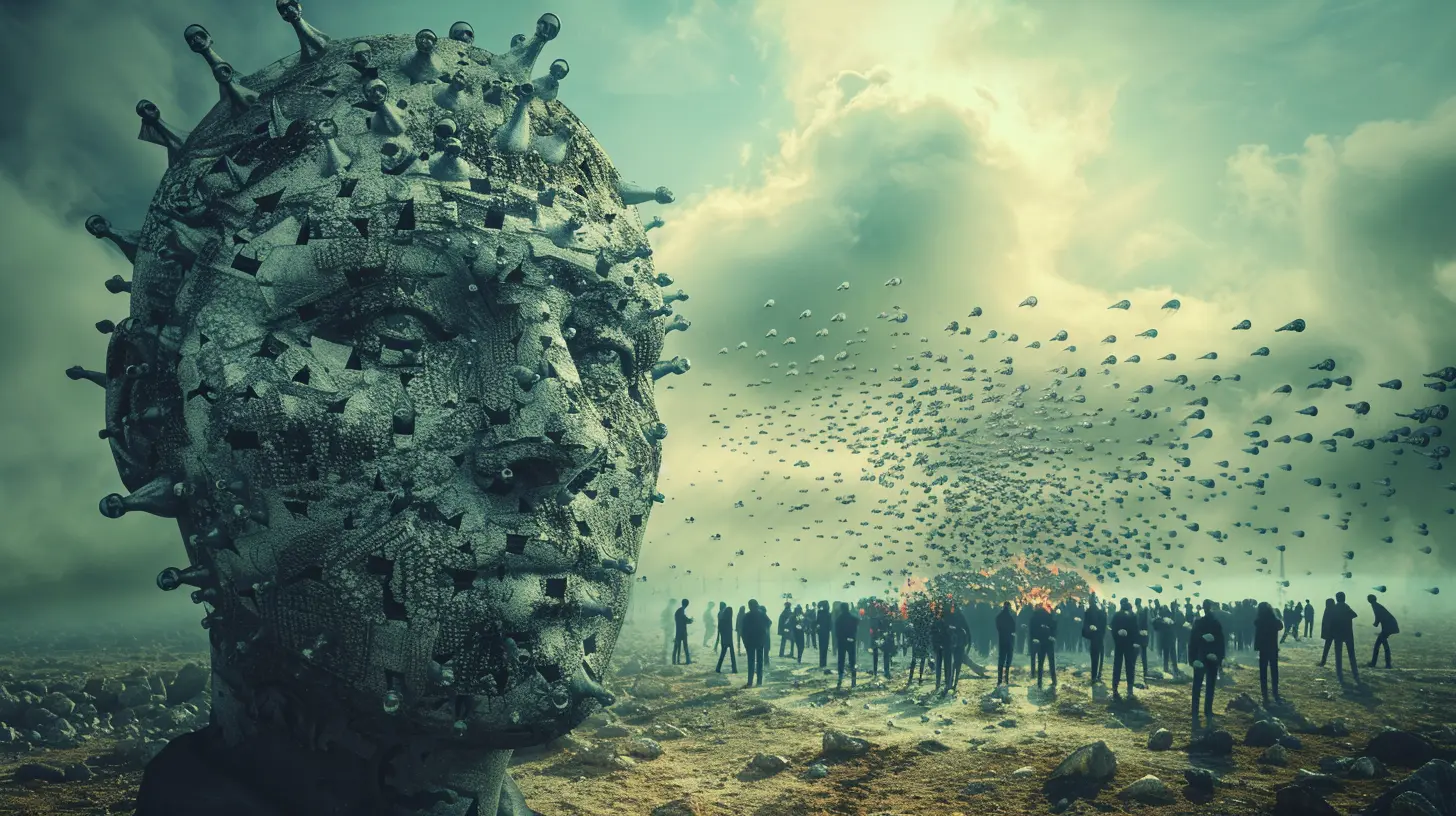
When Belief Meets Contradiction
Here’s where cognitive dissonance steps in. Picture this:A devout religious follower travels to a country where people practice a completely different religion. Yet, these people lead happy, moral, and meaningful lives. Boom — dissonance.
If your religious teachings say yours is the “one true faith,” but real-life experiences show that others are doing just fine without it, your brain starts to protest: “Wait, can both be true?”
Or consider someone raised in a culture that labels certain behaviors as “immoral,” only to move abroad and see those same behaviors embraced without chaos ensuing. Another mental alarm goes off.
So, what do people do when faced with these contradictions?
The Coping Mechanisms of Dissonance
Let’s be real — nobody likes feeling conflicted. So, people look for ways to reduce that dissonance. Here are some common tactics:1. Selective Exposure
People tend to surround themselves with information and individuals that confirm what they already believe. It's classic echo chamber behavior. If a cultural or religious idea is challenged, many double down by only consuming content that supports their viewpoint.2. Justification
This is the mental acrobatics part. Say someone believes in a peaceful religion, but their religious texts contain violent passages. Instead of rejecting the text, they interpret it symbolically or say it was relevant "only back then."3. Compartmentalization
Sometimes, people separate conflicting beliefs into different mental boxes. A person might believe in science during medical discussions but rely on prayer for emotional healing, without ever reconciling the two.4. Belief Revision
This one takes courage. Some people, when faced with undeniable contradictions, choose to adapt or transform their beliefs. These are the folks who might leave a religion, modify their cultural practices, or start new interpretations custom-fit to modern life.Real-World Examples of Cognitive Dissonance in Belief Systems
Let’s get into some concrete examples to see how this all plays out in real life.The Evolution vs Creationism Debate
In many religious cultures, the idea that a divine being created earth and humans in a few short days is a core belief. But then science rolls in with a different story — evolution, billions of years, natural selection.For religious individuals who also value science, this creates a serious clash. Some resolve the dissonance by saying the creation stories are metaphorical. Others reject scientific evidence altogether, often leading to conflicts in educational systems.
Cultural Traditions in Modern Society
Take arranged marriage, a staple in many traditional cultures. It's often rooted in family values, stability, and religious approval. But as younger generations grow up in more individualistic societies, romantic love becomes the gold standard.So, what happens? Some young adults may secretly see someone while agreeing publicly to an arranged marriage. Others try to modernize the practice — mixing dating with parental involvement. And a few rebel completely, sparking family tension and inner turmoil.
Gender Roles in Religion
Many religions assign specific roles to men and women. But modern gender equality ideas push for a different narrative. Cue cognitive dissonance.Progressive believers often reinterpret religious texts through egalitarian lenses, while conservative followers might reinforce traditional roles more strictly as a defense mechanism.
The Double-Edged Sword of Dissonance
Here’s the twist: Cognitive dissonance isn't always a bad thing. In fact, it's often the beginning of growth.When people confront dissonance, they’re forced to think deeply. They question assumptions, seek knowledge, and sometimes change for the better. But it also has a darker side — it can lead to denial, prejudice, and stubbornness. Think of it like fire: it can warm your house or burn it down.
How Belief Systems Evolve
Cultural and religious beliefs aren’t static. They evolve over time, shaped by — you guessed it — cognitive dissonance.As societies advance, beliefs come under pressure. Slavery was once religiously sanctioned. Now it’s universally condemned. The change didn’t come easy; it came through massive dissonance: people struggling with moral contradictions until the belief systems had to adjust for survival.
And this process continues. LGBTQ+ acceptance, environmental ethics, interfaith harmony — all these emerging shifts are fueled by the discomfort people feel when old beliefs no longer align with real-world evidence or values.
Is Dissonance the Enemy or the Teacher?
It all depends on how you handle it.If you push it away, you risk living in denial, building walls around your mind. But if you engage with it, question it, and allow it to challenge your assumptions? That’s personal evolution.
Cognitive dissonance can feel like a crack in your mental foundation. But cracks let the light in, right?
What Can We Take From All This?
So, next time you feel that inner conflict — whether it's about a religious teaching that confuses you or a cultural habit that feels outdated — don’t run from it. Lean into it. Ask questions. Have conversations. Read different perspectives.Our brain’s discomfort isn’t an enemy. It’s often the very thing that leads us to deeper clarity.
Remember, cultures and religions aren’t meant to be museums — they're meant to live, breathe, and grow with us.
Final Thought
Cognitive dissonance isn’t just a psychological glitch. It’s a compass — one that points toward the truths we need to face, the beliefs we may need to evolve, and the humanity we all share. Whether you're rooted in ancient traditions or forging your own path, that internal tension might just be the spark that leads to deeper understanding — of yourself and the world around you.all images in this post were generated using AI tools
Category:
Cognitive DissonanceAuthor:

Christine Carter
Discussion
rate this article
2 comments
Priscilla Curry
This article brilliantly highlights the intricate relationship between cognitive dissonance and our beliefs. Your insights into how this shapes cultural and religious perspectives are thought-provoking and essential for understanding human behavior. Great work!
March 22, 2026 at 5:25 AM
Christine Carter
Thank you for your thoughtful feedback! I'm glad you found the connections between cognitive dissonance and beliefs illuminating.
Skylar McGill
This article brilliantly highlights the intricate dance between our beliefs and experiences. Recognizing cognitive dissonance empowers us to grow, adapt, and embrace diverse perspectives. Let’s celebrate the journey of understanding ourselves and others in this beautifully complex world!
March 2, 2026 at 4:25 AM
Christine Carter
Thank you for your insightful comment! I'm glad you found the article resonant—embracing cognitive dissonance is indeed key to personal and collective growth.