Cognitive Dissonance and Ethical Decision-Making in Business
22 June 2026
Have you ever made a decision at work that didn’t sit quite right with your gut? Maybe you justified it by saying, “It’s just business,” even though something felt off. That weird internal tug-of-war? That’s called cognitive dissonance—and it plays a huge role in how we make ethical choices, especially in the business world.
In this article, we're diving deep into the psychology behind cognitive dissonance and how it influences ethical decision-making in business settings. Don’t worry, we're not going to throw a bunch of technical jargon at you. Instead, we’ll keep it real, relatable, and practical. Whether you're a business leader, a team player, or just someone trying to make sense of human behavior at work, this is for you.
What Is Cognitive Dissonance, Really?
Let’s start with the basics. Cognitive dissonance is a term coined by psychologist Leon Festinger in 1957. In plain English, it refers to the mental discomfort (yep, that gnawing guilty feeling) you get when your beliefs don’t match your actions.Think about it like this: Imagine you're a strong advocate for environmental sustainability, but you accept a job at a company known for polluting rivers. That internal conflict? That’s dissonance.
Humans crave consistency. When there’s a mismatch between what we believe and what we do, we try to resolve that tension—either by changing our beliefs, changing our behavior, or justifying our decisions.
The Business World: A Breeding Ground for Dissonance
Let’s be real. Business isn’t always black and white. Ethical gray areas are everywhere—from fudging numbers slightly on a report to turning a blind eye to questionable practices just to meet quarterly targets.So, what happens when an employee’s personal values clash with business demands? You guessed it—cognitive dissonance kicks in.
Common Triggers of Dissonance in Business
- Pressure to perform: "I had to cut corners to meet the deadline."- Company culture: "Everyone else is doing it—why should I be the only one to speak up?"
- Fear of consequences: "If I whistleblow, I might lose my job."
- Conflicting roles: "As a manager, I have to look out for profits... but also for people."
The tricky part? These justifications often become internal narratives that help us sleep at night—but they also blur the ethical lines.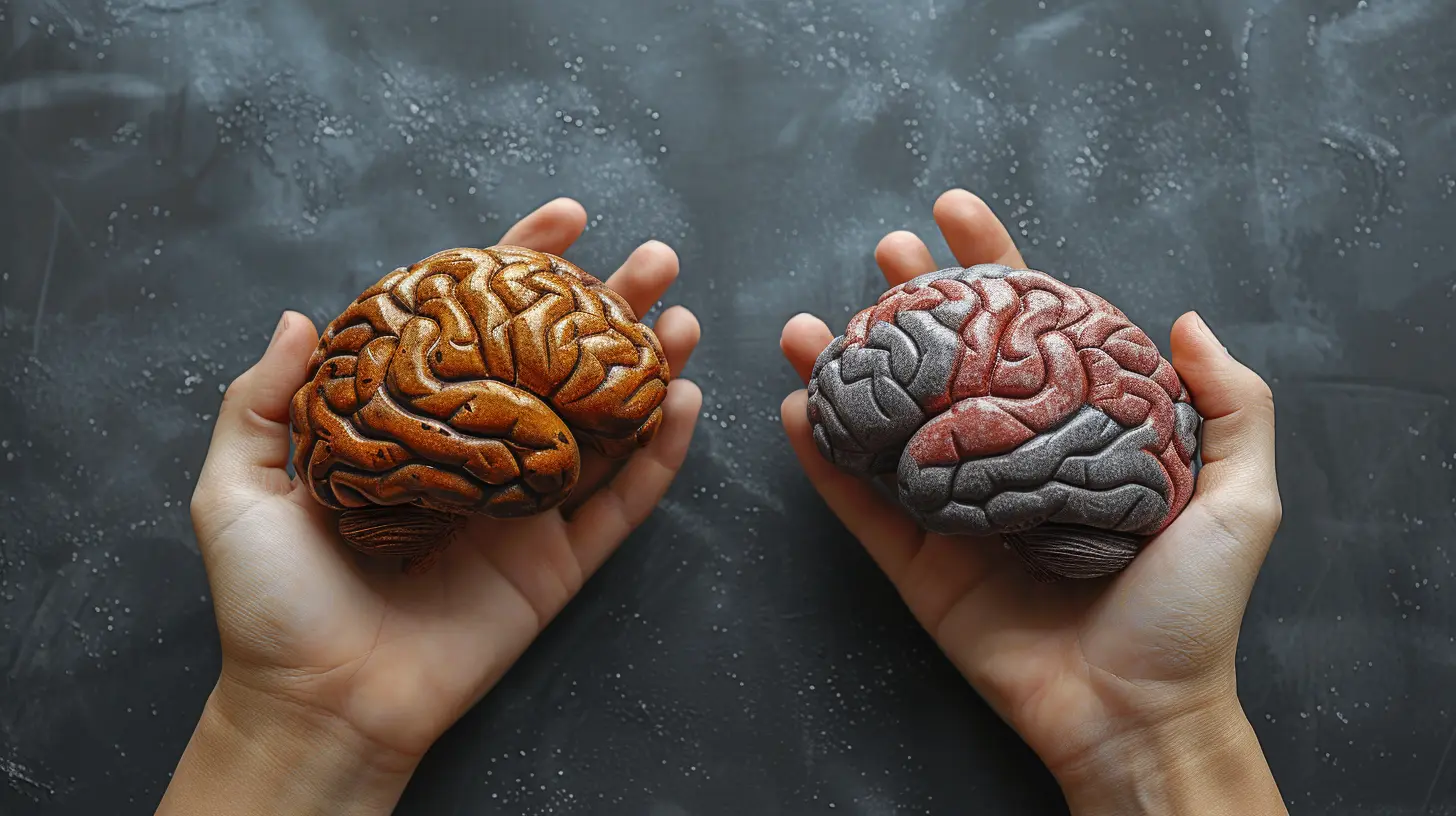
How People Cope with Dissonance: The Mental Gymnastics
You might be surprised how creative we get when trying to ease that discomfort. Here are a few mental tricks people use (sometimes without even realizing it):1. Justification
We convince ourselves it’s okay. “Everyone fudges the reports a little—no harm done.” Justification helps reduce the guilt, but it doesn’t really solve the ethical problem.2. Trivialization
This is when we downplay the importance of the decision. “It was just a small lie—it’s not like anyone got hurt.” Small lies can snowball though, right?3. Changing Beliefs
Sometimes, we actually adjust our values to match our actions. “Maybe it’s not such a big deal if the product fails a few tests. It still mostly works.” That’s a slippery slope.4. Shifting Responsibility
Blame it on someone else. “I had no choice—my boss told me to do it.” That helps us feel like we’re off the hook, even when we know better deep down.
Ethical Decision-Making: Walking the Tightrope
Now let’s tie in the ethics piece. Ethical decision-making is about choosing actions that align with moral principles—honesty, fairness, respect, accountability. But when you toss cognitive dissonance into the mix, it’s like trying to walk a tightrope in a windstorm.People make unethical choices not always because they’re “bad” people, but because they’re trying to ease their internal discomfort in a messy, high-stakes environment. And often, they don’t even realize they're doing it.
Why This Matters (A Lot)
Unethical behavior in business can have serious consequences—not just legally, but in terms of trust, reputation, and internal morale.Let’s take a few real-world examples:
- Volkswagen’s Emissions Scandal: Engineers and execs likely experienced dissonance between their roles and the manipulation of test data. Justifying it as a business necessity led to a global scandal.
- Wells Fargo Fake Accounts: Employees opened millions of unauthorized accounts to meet sales targets, probably suppressing serious dissonance along the way.
These weren’t just “bad apples.” They were people stuck in systems where dissonance and pressure led to ethical collapse.
The Psychology Behind Ethical Slippery Slopes
Here's the thing: unethical decisions rarely happen in one big, dramatic leap. They're usually a series of small steps. Like sliding down a muddy hill—you don’t notice how far you’ve gone until it's too late.This is called the slippery slope effect in psychology. Each minor justification makes the next unethical act easier. That’s why recognizing cognitive dissonance early is key to staying on the ethical path.
How Companies Can Address Dissonance in the Workplace
Businesses aren’t helpless here. In fact, they can play a huge role in reducing dissonance and encouraging ethical behavior.1. Promote Ethical Leadership
Leaders set the tone. When higher-ups model ethical behavior and acknowledge gray areas openly, it creates a culture where employees don’t feel like they must compromise their values.2. Encourage Open Dialogue
Create safe spaces where employees can voice concerns without fear of retaliation. When people talk about their discomfort, they’re less likely to suppress it with justifications.3. Align Incentives with Values
If bonuses are tied strictly to performance, don’t be surprised if corners are cut. Rewarding ethical decision-making sends a powerful message.4. Provide Ethics Training
Not the boring, check-the-box kind. Real, engaging training that helps employees recognize cognitive dissonance and navigate tricky situations goes a long way.5. Offer Support Systems
Think mentorship, counseling, or ethics hotlines. Sometimes people just need a sounding board to help them make the right choice.What You (Yes, You) Can Do
So, what can you do—whether you’re in charge or just starting out?1. Acknowledge the Discomfort
That unease you feel? Don’t ignore it. It’s your brain’s way of signaling that your values and actions aren’t aligned.2. Pause and Reflect
When you're about to make a tough call, hit the mental pause button. Ask yourself: Will I be able to explain this to someone I deeply respect?3. Seek Multiple Perspectives
We're all a little biased. Getting input from colleagues can help you see blind spots and avoid rationalization traps.4. Hold Yourself Accountable
Mistakes happen. What matters is how you respond. Owning up, making amends, and adjusting course shows integrity—and builds trust.5. Stay True to Your Core Values
At the end of the day, your values are your compass. When in doubt, follow them—even if it's the harder choice.The Bigger Picture
Business ethics isn’t about being perfect. It’s about staying aware, making conscious choices, and refusing to let convenience override conscience.Cognitive dissonance isn’t the enemy—it’s a signal that something needs attention. When we learn to listen to it and address it head-on, that’s when real ethical growth happens.
So next time you feel that inner tug during a business decision, don’t shrug it off. Lean into it. That's your psychology nudging you toward integrity—and that's powerful.
Final Thoughts
Cognitive dissonance isn't just a psychology buzzword—it’s a daily reality in the business world. By understanding how it affects ethical decision-making, we can build stronger, more transparent companies and, honestly, just be better humans at work.The trick is to recognize it, talk about it, and make sure it doesn't drive us to quietly compromise our values. Ethical behavior isn't about being flawless. It's about being aware, being brave, and being honest—with ourselves and with others.
all images in this post were generated using AI tools
Category:
Cognitive DissonanceAuthor:

Christine Carter
Discussion
rate this article
1 comments
Brick McDowney
This article on cognitive dissonance in business decisions really hits home. It's fascinating how our beliefs and actions can clash, especially in a professional setting. Understanding this can lead to more ethical choices and a healthier work environment. Great insights here!
June 24, 2026 at 3:59 AM
Christine Carter
I'm glad you found it insightful! Understanding cognitive dissonance is key to making better decisions and fostering a positive workplace. Thanks for sharing your thoughts!