Cognitive Dissonance and Confirmation Bias: A Psychological Tug of War
3 April 2026
Ever felt that uncomfortable tension when faced with information that contradicts your beliefs? Or found yourself seeking out opinions that align with your own, ignoring anything that challenges them? Well, welcome to the fascinating (and sometimes frustrating) battle between cognitive dissonance and confirmation bias—two psychological forces that shape our thoughts, decisions, and even our identity.
These mental processes quietly influence everything from our political views to our daily choices, often without us even realizing it. But what exactly are they, and how do they interact? Let’s break it down in a way that makes sense.
What is Cognitive Dissonance?
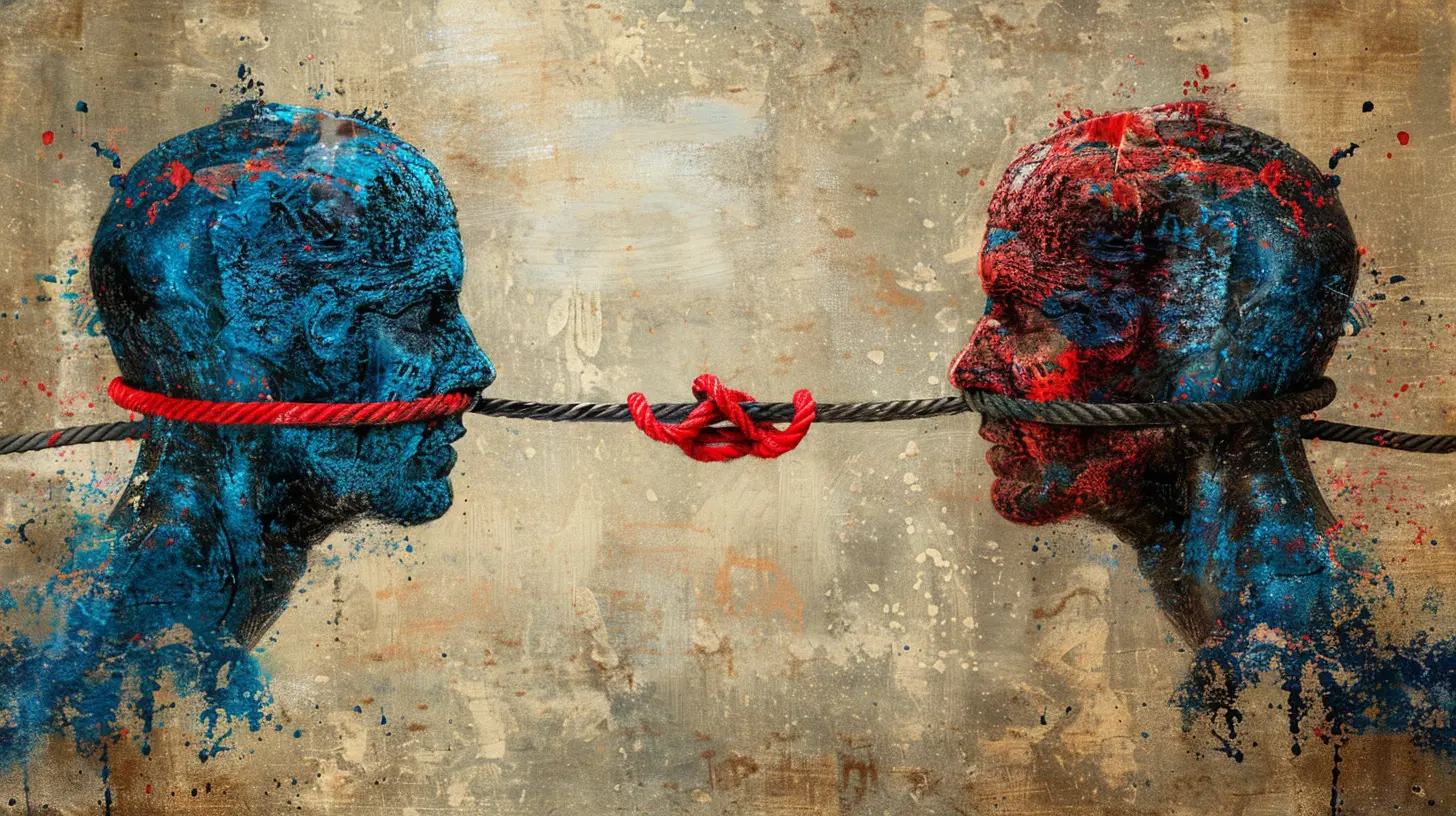
Imagine you're a lifelong meat lover, but then you watch a documentary about animal cruelty. Suddenly, eating meat doesn’t sit right with you anymore. That internal conflict between your past behavior and your new information is what psychologists call cognitive dissonance.Coined by Leon Festinger in 1957, cognitive dissonance describes the mental discomfort we feel when we hold two conflicting beliefs or when our actions contradict our values. Our brains don’t like inconsistency, so we instinctively try to resolve the tension.
How Do We Reduce Cognitive Dissonance?
When faced with dissonance, we usually respond in one of three ways:1. Change our belief – You might decide to stop eating meat because it no longer aligns with your values.
2. Change our behavior – Maybe you justify eating meat by opting for ethically raised animals instead.
3. Rationalize it – You convince yourself that one person quitting meat won’t make a difference.
Our brains are wired to find harmony, even if it means bending reality a little to make ourselves feel better.
What is Confirmation Bias?
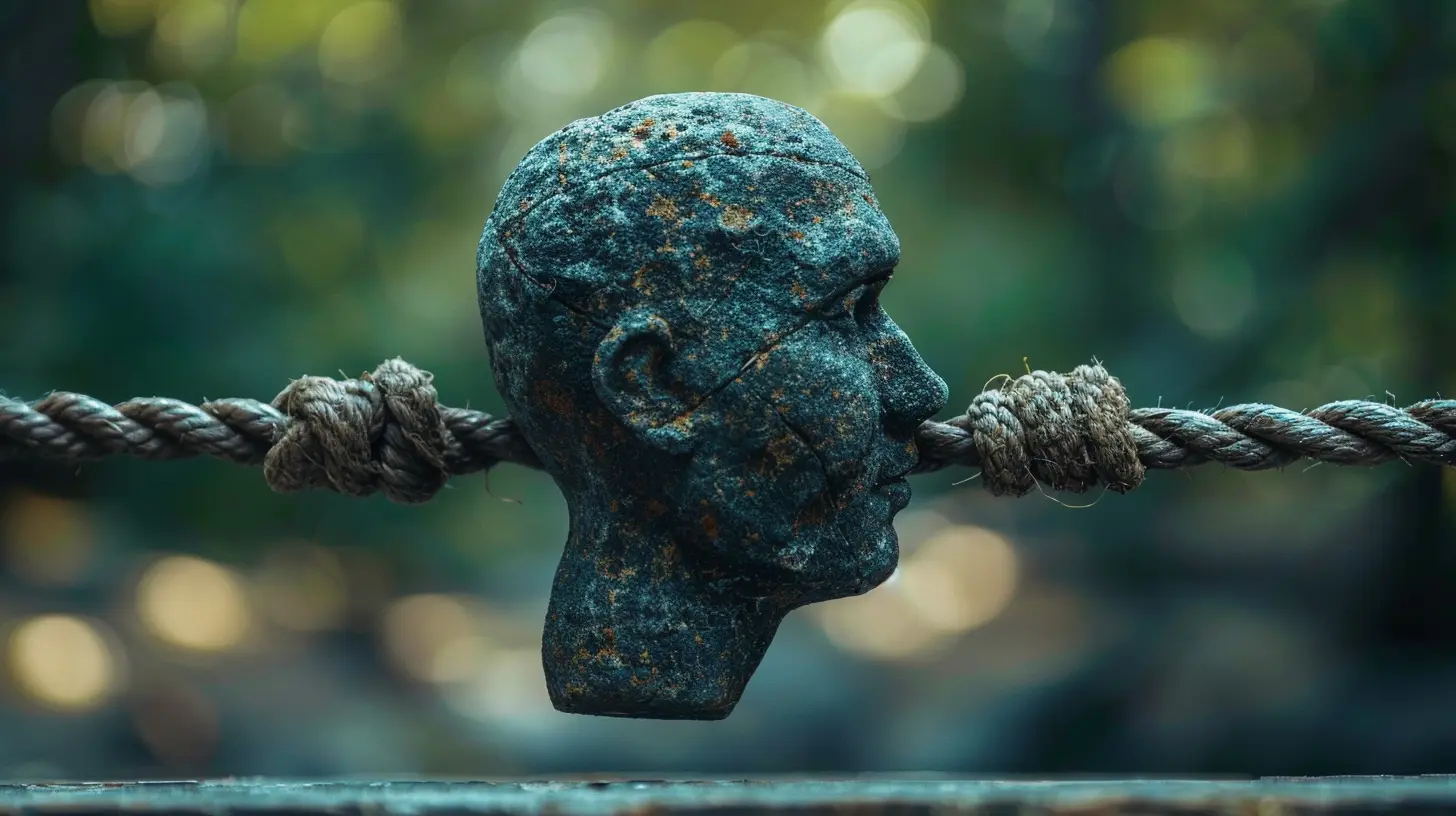
Now, let’s talk about confirmation bias—the sneaky mental shortcut that makes us seek out, interpret, and remember information that supports what we already believe, while ignoring evidence that contradicts it.Think of it like this: Your brain is a lawyer, not a scientist. Instead of objectively weighing evidence, it builds a case to support what you already believe.
Let’s say you believe that coffee boosts productivity. You’ll likely remember reading articles that praise coffee’s benefits while ignoring studies showing its downsides. That’s confirmation bias in action—filtering reality to reinforce our existing beliefs.
Where Do We See Confirmation Bias?
Confirmation bias is everywhere, affecting how we interpret the world in subtle yet powerful ways:- Politics – People choose news sources that align with their views and dismiss opposing perspectives.
- Social Media – Algorithms feed us content we agree with, reinforcing our beliefs in an echo chamber.
- Personal Decisions – Ever Googled something like “Why is coffee good for you?” instead of “Does coffee have negative effects?” That’s confirmation bias shaping your search.

The Psychological Tug of War Between Cognitive Dissonance and Confirmation Bias
Now, here’s where things get interesting. Cognitive dissonance and confirmation bias often pull our minds in opposite directions, creating an internal battle between accepting new truths and holding on to comforting beliefs.Let’s say you believe you're a great driver, but then you get into multiple accidents. Cognitive dissonance creeps in, creating discomfort because your experience contradicts your self-image. Instead of accepting that you might not be a great driver, confirmation bias kicks in and makes you blame bad weather, reckless drivers, or poor road conditions—anything but yourself.
It’s like a psychological defense mechanism: Cognitive dissonance makes you uncomfortable, and confirmation bias steps in to relieve the discomfort by rejecting conflicting information.

Why Do These Biases Exist?
As humans, we’re not wired for cold, logical reasoning 24/7. Our brains evolved for efficiency, survival, and social cohesion. These biases helped early humans make quick decisions without constantly second-guessing themselves.- Cognitive dissonance encourages behavioral consistency, preventing us from constantly flipping our beliefs.
- Confirmation bias reinforces our social groups, keeping us aligned with our community’s shared views.
While these mental shortcuts were useful in the past, they can backfire today—especially in an era of misinformation, polarized opinions, and cognitive overload.
Can We Overcome These Biases?
Completely eliminating cognitive dissonance and confirmation bias? Not likely—they’re hardwired into our thinking. But we can recognize and manage them, leading to better decision-making and personal growth.Here’s how:
1. Be Aware of Your Biases
Simply acknowledging that these biases exist is the first step. Ask yourself:- Am I rejecting new information because it challenges my beliefs?
- Am I seeking out evidence to confirm what I already think?
2. Challenge Your Own Beliefs
Instead of looking for why you’re right, actively search for reasons why you might be wrong. This forces your brain to weigh both sides more objectively.3. Expose Yourself to Different Views
Read, watch, or listen to perspectives that challenge your own. Engage with people who think differently and have respectful conversations.4. Embrace Discomfort
Cognitive dissonance is unpleasant, but leaning into it can help you grow. Instead of avoiding uncomfortable truths, sit with them and reflect on what they mean for you.5. Use Critical Thinking
Ask yourself:- Who benefits from this information?
- Is this source reliable?
- Could I be interpreting this through my own bias?
By applying skepticism and open-mindedness, you can make more rational decisions instead of falling into psychological traps.
Final Thoughts
Between cognitive dissonance and confirmation bias, our minds are constantly negotiating reality. While these biases help us maintain a sense of stability, they can also lead us to ignore truth, resist change, and stay stuck in old patterns.Understanding these psychological mechanisms doesn’t just help us make better decisions—it makes us more empathetic communicators and critical thinkers. So the next time you feel cognitive dissonance creeping in, or catch yourself falling for confirmation bias, take a step back. Challenge yourself. And remember—growth happens when we dare to question our own thoughts.
all images in this post were generated using AI tools
Category:
Cognitive DissonanceAuthor:

Christine Carter
Discussion
rate this article
2 comments
Violet Butler
This article effectively highlights how cognitive dissonance and confirmation bias interplay, influencing our beliefs and decisions. Understanding this dynamic is crucial for personal growth and critical thinking.
July 10, 2026 at 3:38 AM
Christine Carter
Thank you for your insightful comment! I'm glad you found the discussion on cognitive dissonance and confirmation bias valuable for personal growth and critical thinking.
Talia Riley
This article succinctly captures the struggle between cognitive dissonance and confirmation bias. It’s a reminder of how our minds often resist uncomfortable truths while clinging to familiar beliefs. Great insights!
April 8, 2026 at 3:22 PM
Christine Carter
Thank you for your thoughtful comment! I'm glad the article resonated with you. It's such a fascinating topic.