Cognitive Bias and the Future of Artificial Intelligence
15 October 2026
Artificial intelligence has moved from research labs into hiring decisions, medical triage, loan approvals, and the content we see every day. The promise is appealing: machines that reason without the baggage of human emotion, fatigue, or prejudice. Yet the deeper you look, the more you notice something uncomfortable. The biases we hoped to escape have a way of reappearing inside the systems we build to escape them.
This is not a story about machines becoming prejudiced on their own. It is a story about cognition, data, and design. Understanding cognitive bias is no longer just a topic for psychologists. It has become a practical skill for anyone who builds, buys, regulates, or simply lives alongside AI.
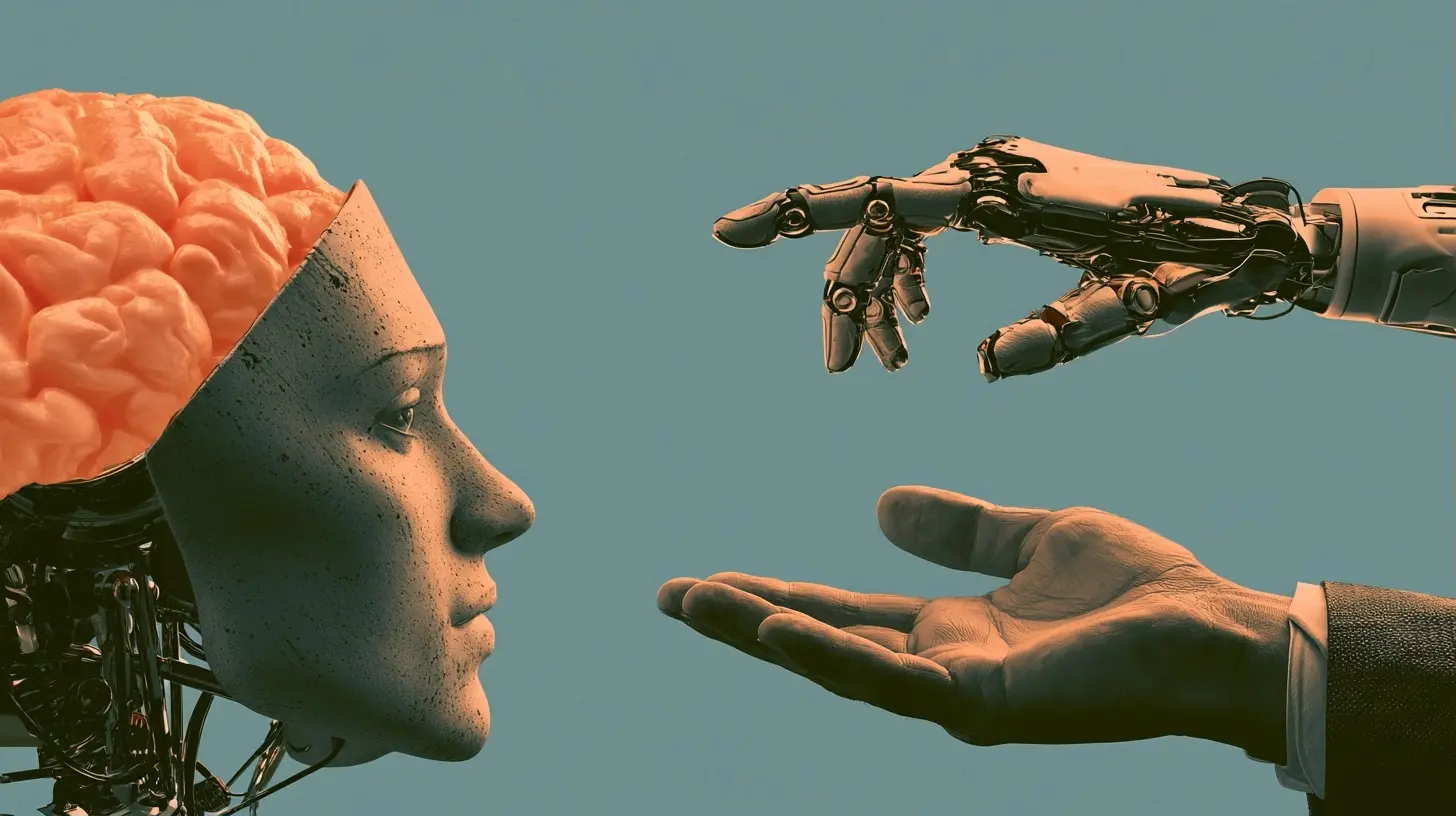
Why Cognitive Bias Matters More Than Ever
A cognitive bias is a systematic pattern of deviation from rational judgment. It is not a random error. It is predictable, repeatable, and often useful in daily life. Heuristics, the mental shortcuts behind many biases, let us make fast decisions without exhausting our attention. The problem is that these shortcuts misfire in unfamiliar or high-stakes contexts.When humans make biased decisions, the consequences are bounded by human scale. When AI systems inherit those biases, the consequences can scale to millions of decisions per day. A single flawed assumption baked into a model can shape who gets a job interview, who receives a loan, or who is flagged for extra scrutiny at an airport.
This asymmetry matters. It means bias in AI is not merely an ethical footnote. It is a systems-level risk that compounds quietly until someone audits the outcomes and finds a pattern no one intended.

How Human Bias Enters AI Systems
People often imagine that bias enters AI through malicious intent. In practice, it usually enters through ordinary human choices made at every stage of the pipeline. Recognizing those entry points is the first step toward managing them.Bias in Data Collection
Data is never a neutral mirror of reality. It is a record of past decisions, and past decisions carry bias. If a company historically hired mostly from a narrow set of universities, its historical hiring data will reflect that preference. Train a model on that data, and it will reproduce the pattern while appearing objective.Sampling bias is another common trap. Suppose a medical dataset underrepresents certain populations because those groups had less access to care. A model trained on that data may perform well on the majority group and poorly on the underrepresented one. The model is not malicious. It simply never saw enough examples to generalize fairly.
Bias in Labeling and Annotation
Supervised learning depends on labels, and labels come from humans. Annotators bring their own cultural assumptions, fatigue, and inconsistencies. In one annotation team, a comment might be labeled "toxic" while another team labels the same comment "critical but acceptable." The model learns whichever standard dominates the training set.This is why label quality deserves as much attention as model architecture. A sophisticated model trained on noisy, biased labels will confidently reproduce the noise.
Bias in Feature Selection
Choosing which variables to include is a value judgment disguised as a technical decision. Include zip code as a feature, and a model may learn racial or socioeconomic patterns even if race is excluded. Exclude zip code, and the model may lose predictive power that genuinely matters for the task.There is no purely technical escape from this trade-off. The right question is not "Is this feature neutral?" but "What is this feature a proxy for, and is using it acceptable given the goal?"
Bias in Objective Functions
Every model optimizes something. Optimize for click-through rate, and you may amplify sensational content. Optimize for short-term engagement, and you may erode long-term user satisfaction. Optimize for accuracy on average, and you may ignore performance gaps across subgroups.The objective function is where human priorities become machine behavior. If fairness is not part of the objective, the model has no reason to care about it.
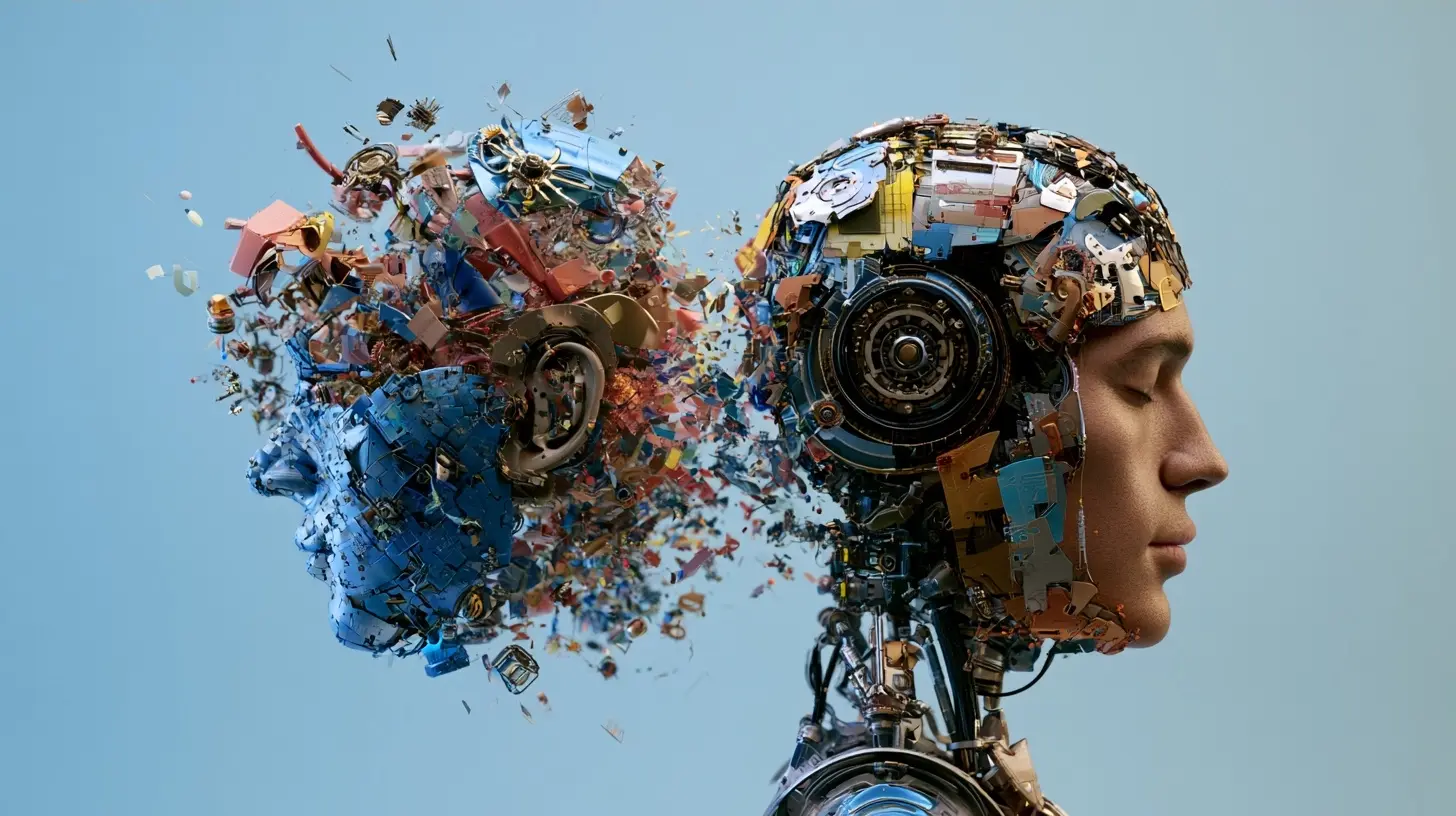
The Cognitive Biases That Shape AI Development
Beyond data and design, the people building AI are themselves subject to bias. These psychological patterns influence what gets built, what gets tested, and what gets shipped.Automation Bias
Automation bias is the tendency to trust automated outputs more than human judgment, even when the human has reason to doubt. In aviation and medicine, this has led to real incidents where professionals deferred to a system that was wrong.As AI becomes more fluent and confident, automation bias grows stronger. A well-written AI recommendation feels authoritative. That feeling can override careful scrutiny, especially under time pressure.
The practical implication is that AI systems should be designed to invite doubt, not suppress it. Showing confidence scores, highlighting uncertainty, and explaining reasoning all help keep human judgment engaged.
Confirmation Bias
Confirmation bias is the tendency to notice evidence that supports what we already believe and overlook what contradicts it. In AI development, this shows up when teams test a model, see results that match their expectations, and stop looking.A rigorous evaluation plan deliberately searches for failure modes. It asks, "Where does this model break?" rather than "Does this model work?" That shift in framing is small but powerful.
Anchoring
Anchoring is the tendency to rely heavily on the first piece of information encountered. In AI projects, the first performance metric or the first demo can anchor expectations for months. Teams may keep optimizing a flawed approach because the initial result set the frame.Breaking anchors requires deliberate resets. Bring in outside reviewers. Revisit the problem statement. Ask whether the original framing still makes sense.
Survivorship Bias
Survivorship bias is the error of drawing conclusions only from cases that made it through a filter. If you study only successful startups, you miss the ones that failed for the same reasons. If you train a model only on approved loans, you never see how rejected applicants would have performed.This bias is especially dangerous in credit, hiring, and admissions. The data you have is shaped by decisions already made. Correcting for it often requires deliberate experimentation, which raises its own ethical questions.
The Bias Blind Spot
Perhaps the most stubborn bias is the belief that we are less biased than others. Researchers call this the bias blind spot. It leads people to assume that their own reasoning is objective while attributing bias to everyone else.In AI teams, the bias blind spot can create a false sense of security. "We are engineers. We follow the data." That attitude, however well intentioned, makes teams less likely to audit their own assumptions.
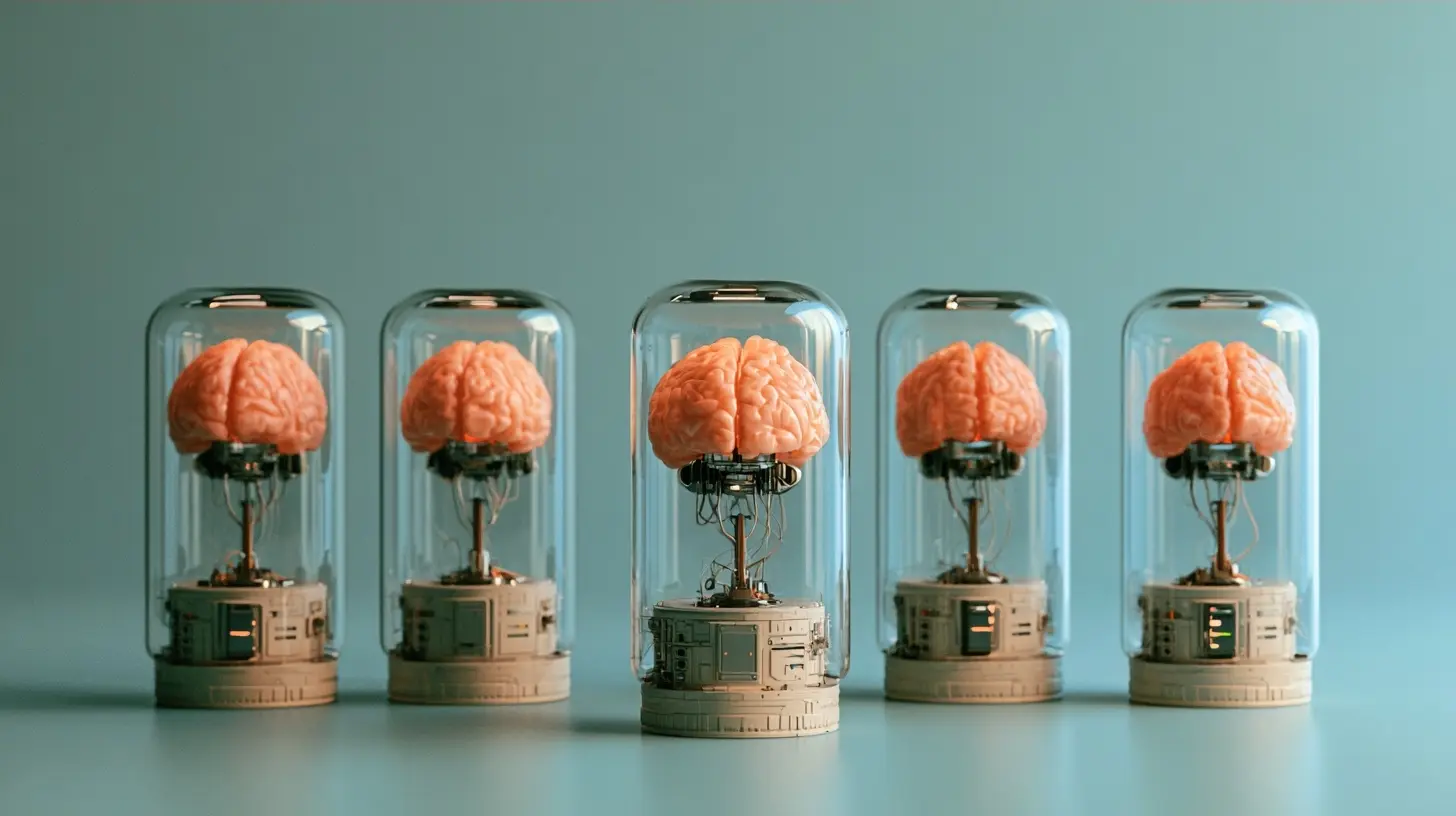
Why AI Can Amplify Bias Faster Than Humans
Human bias spreads slowly because humans make decisions slowly. AI changes the math.Consider a hiring model that slightly favors candidates from one background. A human recruiter making that same slight preference might affect dozens of decisions per year. A deployed model might affect thousands per day. The bias is not necessarily larger in magnitude, but its reach is vastly greater.
Feedback loops make this worse. A model that recommends certain content gets more engagement on that content, which generates more training data favoring the same pattern. Over time, the model drifts further in one direction. This is sometimes called a performative prediction problem: the model's predictions change the world that the model then learns from.
Can AI Help Reduce Cognitive Bias?
The relationship between AI and bias runs in both directions. Just as AI can amplify human bias, it can also be used to detect and reduce it, if designed with that goal in mind.Auditing Human Decisions
AI can analyze large volumes of decisions for patterns humans miss. If a loan officer approves applicants from one group at a higher rate than another with similar financial profiles, a statistical audit can surface that pattern. The officer may not be aware of any prejudice. The data tells a different story.This kind of auditing works best as a complement to human judgment, not a replacement. The goal is to inform, not to accuse.
Standardizing Repetitive Judgments
In domains like insurance underwriting or medical imaging, AI can apply consistent criteria across thousands of cases. Consistency reduces certain kinds of bias, particularly those driven by mood, fatigue, or irrelevant context.The trade-off is that consistency can also lock in a flawed rule. A human who is inconsistent may occasionally get it right by accident. A model that is consistently wrong is consistently wrong.
Surfacing Counterfactuals
AI can generate counterfactual scenarios that help decision-makers think more carefully. What would this applicant's outcome look like with a different but equally qualified profile? What if the same case were presented in a different order? These prompts can interrupt automatic thinking.This is a promising direction, but it is not a cure. Counterfactuals are only as good as the model generating them, and they can introduce their own distortions.
Common Mistakes in Bias Mitigation
Well-intentioned efforts to reduce bias often fail for predictable reasons. Knowing these pitfalls can save teams significant time and frustration.Treating Fairness as a Single Metric
Fairness is not one thing. There are many mathematical definitions, and they often conflict. A model can satisfy demographic parity, meaning equal approval rates across groups, while failing equalized odds, meaning equal error rates. Choosing one definition means accepting trade-offs with others.The right approach is to decide, with stakeholders, which definition matters most for the specific context. There is no universal answer.
Removing Sensitive Attributes and Calling It Done
Removing race, gender, or age from a dataset does not remove their influence. Correlated features like zip code, education history, or purchasing behavior can act as proxies. A model can reconstruct sensitive attributes from seemingly neutral data.Effective mitigation requires measuring outcomes across groups, not just removing variables.
Ignoring the Deployment Context
A model that performs fairly in testing may behave differently in production. User behavior changes. Data distributions shift. Adversarial actors probe for weaknesses. Bias mitigation is not a one-time task. It is an ongoing practice.Overcorrecting Without Transparency
Aggressive fairness interventions can reduce accuracy in ways that harm the very people they intend to help. If a hiring model becomes so cautious that it rejects qualified candidates from all groups, no one benefits. Transparency about trade-offs helps stakeholders make informed choices.Practical Guidance for Building Fairer AI
The following practices are not universal solutions, but they reflect lessons from organizations that take this problem seriously.Start With the Question, Not the Model
Before writing code, ask what decision the system will influence and who will be affected. A model that ranks movie recommendations has different stakes than one that recommends parole decisions. The level of scrutiny should match the level of consequence.Document Assumptions Explicitly
Write down what you believe about the data, the users, and the goal. Assumptions that stay implicit are assumptions that never get challenged. A short written record makes it easier for others to spot problems.Build Diverse Review Teams
Homogeneous teams tend to miss homogeneous blind spots. Diversity here means not only demographic diversity but also diversity of expertise. Include domain experts, ethicists, and people who will live with the consequences of the system.Test for Subgroup Performance
Aggregate accuracy can hide serious disparities. Break down performance by relevant subgroups and look for gaps. If a model performs well overall but poorly for a specific group, that gap deserves attention.Monitor After Deployment
Bias can emerge over time as data distributions shift. Set up monitoring that tracks outcomes across groups and flags anomalies. Review those flags regularly. A dashboard no one checks is not monitoring.Create Channels for Feedback
People affected by AI decisions should have a way to raise concerns. This might be an appeals process, a complaint form, or a human review option. Without feedback, problems stay invisible.Accept That Perfection Is Not the Goal
No AI system will be perfectly fair. The goal is to be honest about trade-offs, transparent about limitations, and committed to improvement. That posture builds trust far more effectively than claims of objectivity.
The Future of AI and Human Cognition
The next decade will bring AI systems that are more capable, more autonomous, and more embedded in daily life. This raises a question that goes beyond fairness metrics: how will AI change the way humans think?There is a real risk that reliance on AI weakens certain cognitive skills. If a model always suggests the next sentence, do we lose the ability to write? If it always recommends a decision, do we lose the ability to judge? These are open questions, and the answers will depend on how the tools are designed and used.
There is also an opportunity. AI can be built to make thinking harder in productive ways. It can present opposing views, flag weak reasoning, and ask clarifying questions. It can be a sparring partner rather than an oracle.
The difference between these futures is not technological. It is a matter of intention. The people who design, deploy, and regulate AI will decide which path we take.
A Closing Thought on Responsibility
Cognitive bias is not a defect to be eliminated. It is part of how human minds work. The same shortcuts that produce errors also produce efficiency, creativity, and intuition. The goal is not to become bias-free. It is to become bias-aware.That awareness matters more now than it ever has. AI does not remove human bias. It magnifies whatever we bring to it. If we bring care, scrutiny, and humility, the systems we build can reflect those qualities. If we bring complacency, they will reflect that instead.
The future of AI will be shaped by humans who understand their own minds well enough to know where they might be wrong. That is not a technical skill. It is a human one. And it is worth developing.
all images in this post were generated using AI tools
Category:
Cognitive BiasesAuthor:

Christine Carter