Borderline Personality Disorder: Examining Emotional Instability and Treatment Approaches
24 January 2026
Have you ever felt like your emotions were running the show and you were just along for the ride? Imagine waking up every day feeling like you're walking a tightrope, never quite sure which emotion will hit you next. That’s a glimpse into the world of someone living with Borderline Personality Disorder (BPD). It's intense, chaotic, and emotionally messy—but it's also treatable.
In this blog post, we’re diving into the rollercoaster of emotional instability that defines BPD, along with treatment strategies that actually work. So buckle up, because things are about to get interesting.
What is Borderline Personality Disorder, Anyway?
Let’s start with the basics. Borderline Personality Disorder (BPD) is a mental health condition defined by extreme emotional highs and lows, unstable relationships, and a distorted sense of self. Think of it as an emotional amplifier—everything feels louder, sharper, and bigger.BPD is one of those conditions where feelings don’t just knock on the door—they kick it down, make a mess, and stay for dinner.
But here’s the kicker: people with BPD aren’t just being dramatic. Their brains process emotions differently, and the intensity is very real.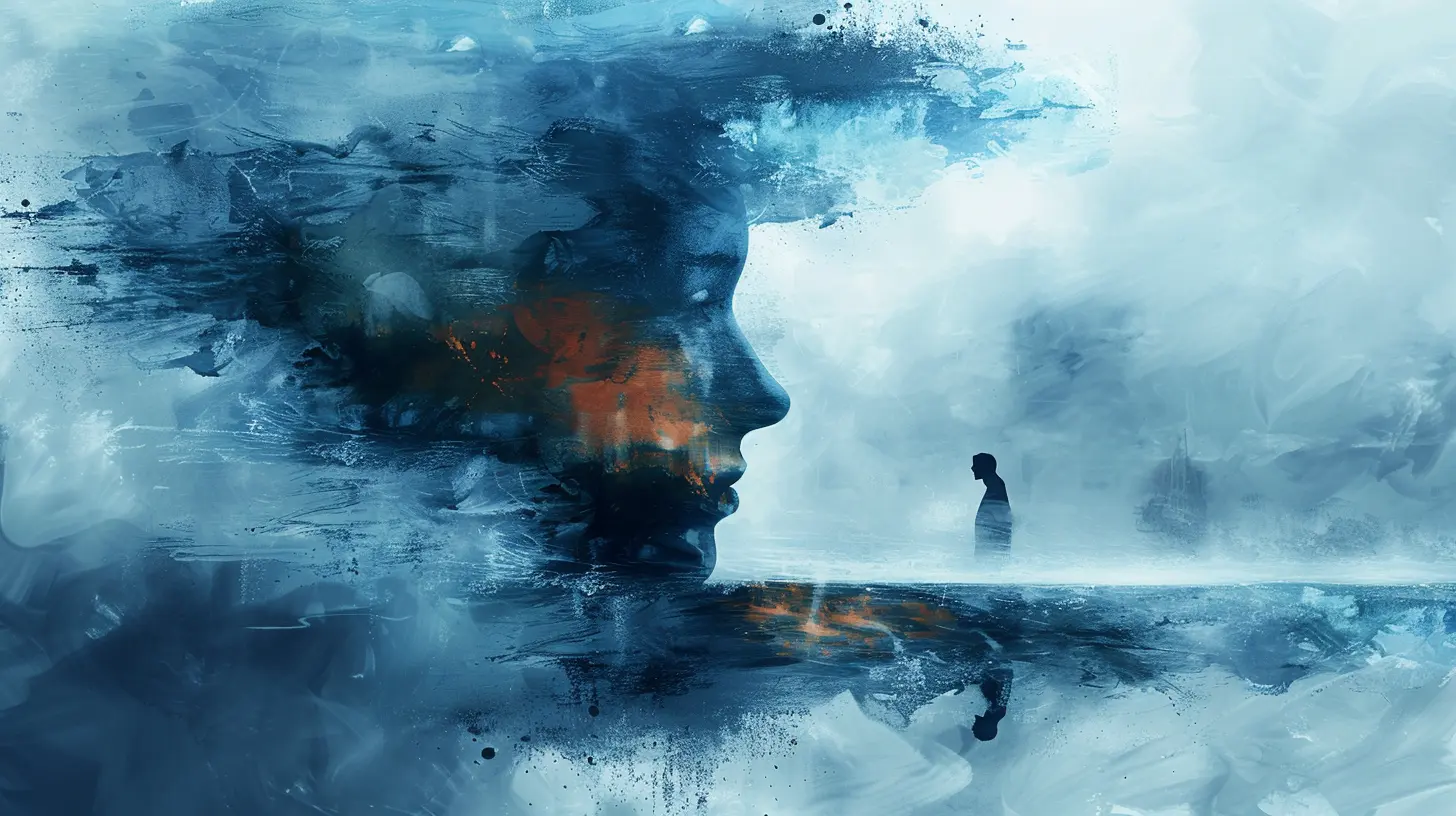
Symptoms That Go Beyond the Usual Mood Swings
Mood swings are normal, right? Sure. We all have bad days. But with BPD, the emotional shifts are rapid-fire and extreme.Here are some of the signature signs of BPD:
- Emotional Instability: One minute you're on cloud nine, and the next you're spiraling into despair. These mood swings can last for hours or a few days and often come without warning.
- Fear of Abandonment: This one hits hard. People with BPD often live in constant fear that friends, lovers, or even acquaintances will leave. A delayed text reply? Might feel like the end of the world.
- Unstable Relationships: It’s a bit like flipping a switch—someone is either idolized or demonized. There's often no in-between.
- Impulsive Behavior: Shopping sprees, reckless driving, binge eating, or risky sex—anything to try to escape emotional pain.
- Self-Harm and Suicidal Behavior: Not always, but often. This is a serious symptom that requires immediate attention.
- Chronic Feelings of Emptiness: Like there’s a gaping hole inside that nothing can fill.
- Intense Anger: Not just being a little irritated. This is full-blown rage that can be hard to control or even explain.
Why Does BPD Happen? (Spoiler: It’s Complicated)
There’s no single “Aha!” moment that explains why BPD happens. It’s usually a tangled combo of genetics, environment, and brain function.Let’s break that down:
- Genetics: If your family has a history of mood disorders or personality disorders, your chances might be higher.
- Childhood Trauma: Abuse, neglect, separation, or unstable childhood environments are strongly linked to BPD.
- Brain Chemistry: The amygdala (the brain’s emotional warning system) tends to work overtime in people with BPD. On the flip side, the prefrontal cortex (the logical, reasoning part) might be underactive. Talk about a dysfunctional duo.
So yes, while emotional instability may seem exaggerated to an outsider, it's rooted in biology and shaped by life experiences.
The Emotional Tornado: Living With BPD
Picture this: You want to hug someone and scream at them… at the same time. Relationships feel like walking on eggshells because reactions are so intense, even small perceived slights can trigger emotional explosions.Some people describe BPD like wearing their skin inside out—every interaction feels raw and overwhelming. Emotions escalate fast, and cooling down can take forever.
Have you ever gotten upset and then felt stupid for overreacting a few hours later? That’s kind of the day-to-day experience with BPD—but turned up to 11.
How Diagnosis Works (A Tale of Trials and Errors)
Getting a BPD diagnosis isn’t like taking a COVID test where you get a quick yes or no.It typically involves:
1. Mental Health Evaluation: A psychologist or psychiatrist will ask a bunch of questions about your thoughts, feelings, and behaviors.
2. Medical History: Sometimes they check if there are any physical conditions or medications that could be messing with your mood.
3. Meeting DSM-5 Criteria: You need to meet at least five of the nine criteria listed for BPD. Sounds clinical… because it is.
Getting misdiagnosed with bipolar disorder, depression, or generalized anxiety is pretty common. That’s why it’s important to find a mental health pro who knows their stuff when it comes to personality disorders.
Treatment Approaches That Actually Help
Here comes the good news: BPD is treatable. Yes, really. The emotional chaos doesn't have to last forever.Here are the treatment go-tos:
1. Dialectical Behavior Therapy (DBT)
If BPD had a superhero treatment, it would be DBT. Created specifically for BPD, it’s like emotional boot camp. DBT teaches you how to:- Regulate emotions
- Tolerate distress
- Be mindful
- Navigate relationships
It’s not a magic pill, but DBT has helped thousands of people take their lives back from the chaos.
2. Cognitive Behavioral Therapy (CBT)
CBT is great for spotting and changing those extreme thoughts—like turning “They didn’t text me back, they must hate me” into something more balanced.CBT = less emotional mind traps, more rational decision-making.
3. Schema Therapy
This one’s a bit lesser-known, but powerful. It dives deep into unhelpful patterns formed in childhood—like abandonment issues—and helps rewire them for adulthood.Think of it as a software update for your brain’s emotional operating system.
4. Medications
Here’s the deal: There’s no magic “BPD pill.” But meds can help with specific symptoms:- Mood stabilizers for emotional swings
- Antidepressants for those crushing lows
- Antipsychotics if you struggle with paranoia or intense anger
Medication works best when combined with therapy, not as a solo act.
5. Support Groups & Peer Support
Sometimes, just knowing you're not the only one can be life-changing. Peer support groups provide a safe space to vent, connect, and heal together.Because let’s be honest—sometimes the best advice doesn’t come from a textbook, but from someone who’s been in the trenches.
Tips for Managing Emotional Instability on the Daily
So, what can someone with BPD actually do to survive the emotional whirlwind? Here are some down-to-earth strategies that actually make a difference:- Name it to tame it: Label your emotions—"This is anxiety,” “This is anger”—instead of letting them bulldoze you.
- Mindfulness hacks: Use grounding techniques when emotions hit. Count backward from 100. List five things you can see, hear, and feel.
- Create emotional safety plans: Have a go-to list of people to call, things to do, and reminders of your worth when things get dark.
- Journal your emotional patterns: Not just venting—track triggers, reactions, and outcomes. You’ll start seeing patterns and eventually, solutions.
- Limit toxic relationships: You can’t heal in the same environment that hurt you.
- Celebrate small wins: Didn’t spiral after that argument? That’s a victory worth a cupcake.
For Friends and Family: How to Help Without Losing Your Mind
Being close to someone with BPD can feel like an emotional merry-go-round (with occasional fireballs). It’s tough—but also incredibly meaningful.Here’s how to be supportive:
- Don’t take things personally: Emotional outbursts are about pain, not you.
- Set boundaries, lovingly: Boundaries aren’t rejections. They’re relationship CPR.
- Educate yourself: Understanding what’s happening behind the scenes can boost your empathy.
- Encourage treatment: But don’t force it—suggest gently and support unconditionally.
- Practice self-care: You can’t pour from an empty cup.
Wrapping It Up: Hope Is Not a Myth
Look, BPD can feel like an emotional hurricane, but it doesn't have to destroy everything in its path. With the right tools, support, and patience (lots of it), people with BPD can and do lead fulfilling lives.Recovery isn't linear—it zigs and zags. But that doesn’t mean progress isn’t happening. Emotional storms may never disappear completely, but you can get better at forecasting them, building stronger shelters, and dancing in the rain.
So if you or someone you love is navigating the borderline maze, hang in there. There's light at the end. And it's not just wishful thinking—it's real, achievable healing.
all images in this post were generated using AI tools
Category:
PsychopathologyAuthor:

Christine Carter
Discussion
rate this article
2 comments
Izaak McAleer
Insightful analysis on BPD treatment options!
February 23, 2026 at 4:25 AM
Christine Carter
Thank you! I'm glad you found the analysis helpful. Your feedback means a lot.
Zephyrae McDonald
This article provides a clear overview of Borderline Personality Disorder, highlighting the challenges of emotional instability and the importance of tailored treatment approaches. A valuable resource for understanding and support.
January 24, 2026 at 3:45 AM
Christine Carter
Thank you for your kind words! I'm glad you found the article helpful in understanding Borderline Personality Disorder and its treatment.