Breaking the Cycle of Trauma in Families and Communities
1 December 2025
Trauma has a way of weaving itself into the fabric of families and communities, passing silently from one generation to the next. It lingers in the unspoken stories, the unhealthy coping mechanisms, and the wounds that never quite heal. But here's the truth: the cycle of trauma doesn’t have to continue.
Breaking free isn’t easy—it requires awareness, effort, and healing. Yet, it's possible. In this article, we’ll dive into how trauma gets passed down, the impact it has, and most importantly, how we can stop it in its tracks.
Understanding Generational Trauma
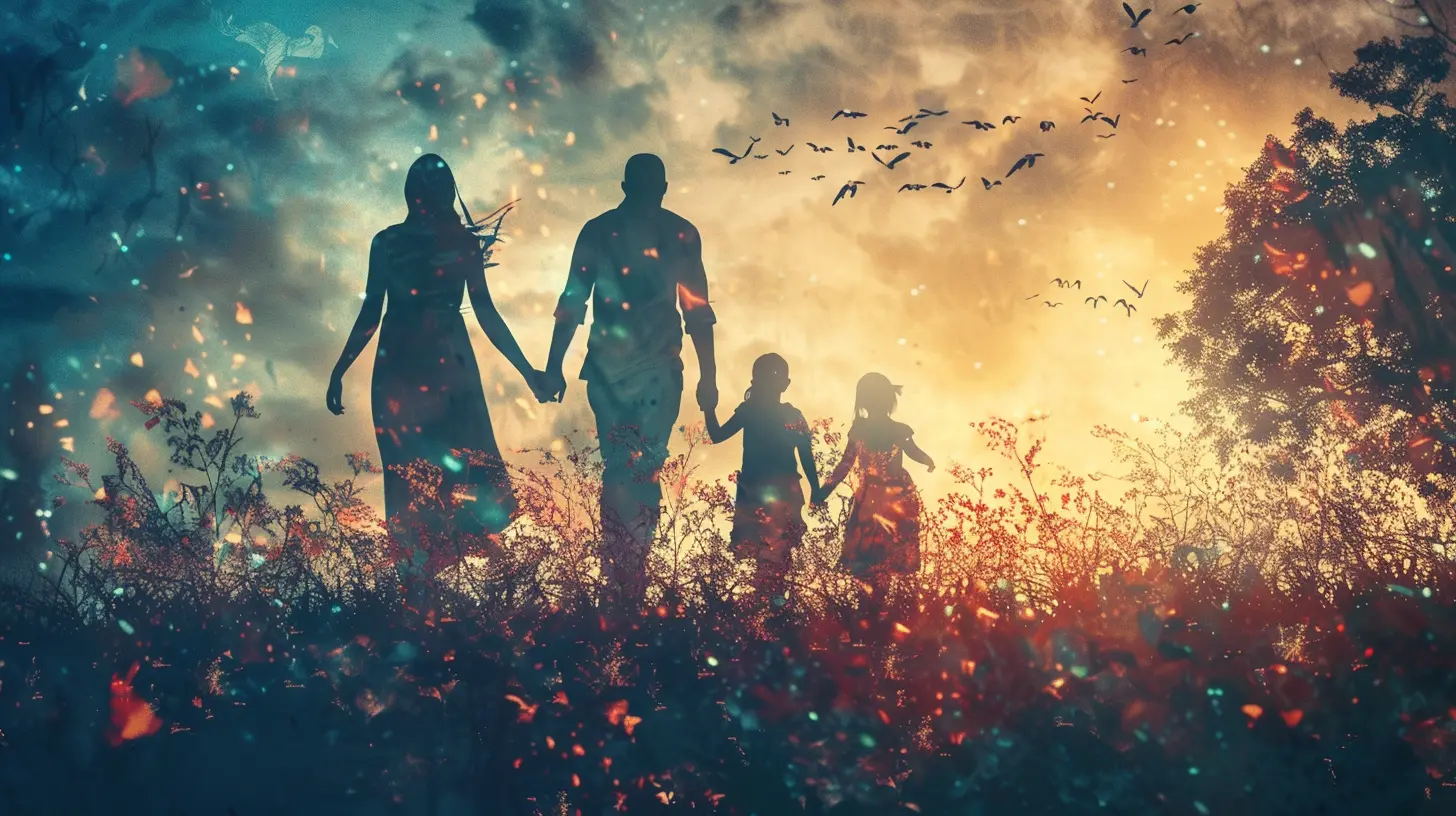
Trauma isn’t just a one-time event—it’s an experience that can shape thoughts, behaviors, and even biology. When trauma isn't properly addressed, it seeps into family dynamics, affecting future generations in ways they may not even realize.How Trauma Gets Passed Down
1. Behavioral Patterns – Parents and caregivers who have experienced trauma might unknowingly adopt unhealthy behaviors, such as emotional unavailability, overprotectiveness, or even neglect.2. Emotional Wounds – Children often absorb their parents’ unresolved pain, growing up in environments filled with stress, fear, or instability.
3. Neuroscience of Trauma – Studies in epigenetics suggest that trauma can actually alter gene expression, meaning the effects can be inherited biologically.
This isn’t about blaming previous generations. It’s about understanding that trauma isn’t just an individual experience—it’s a collective one that can shape family and community well-being.
The Impact of Trauma on Families and Communities
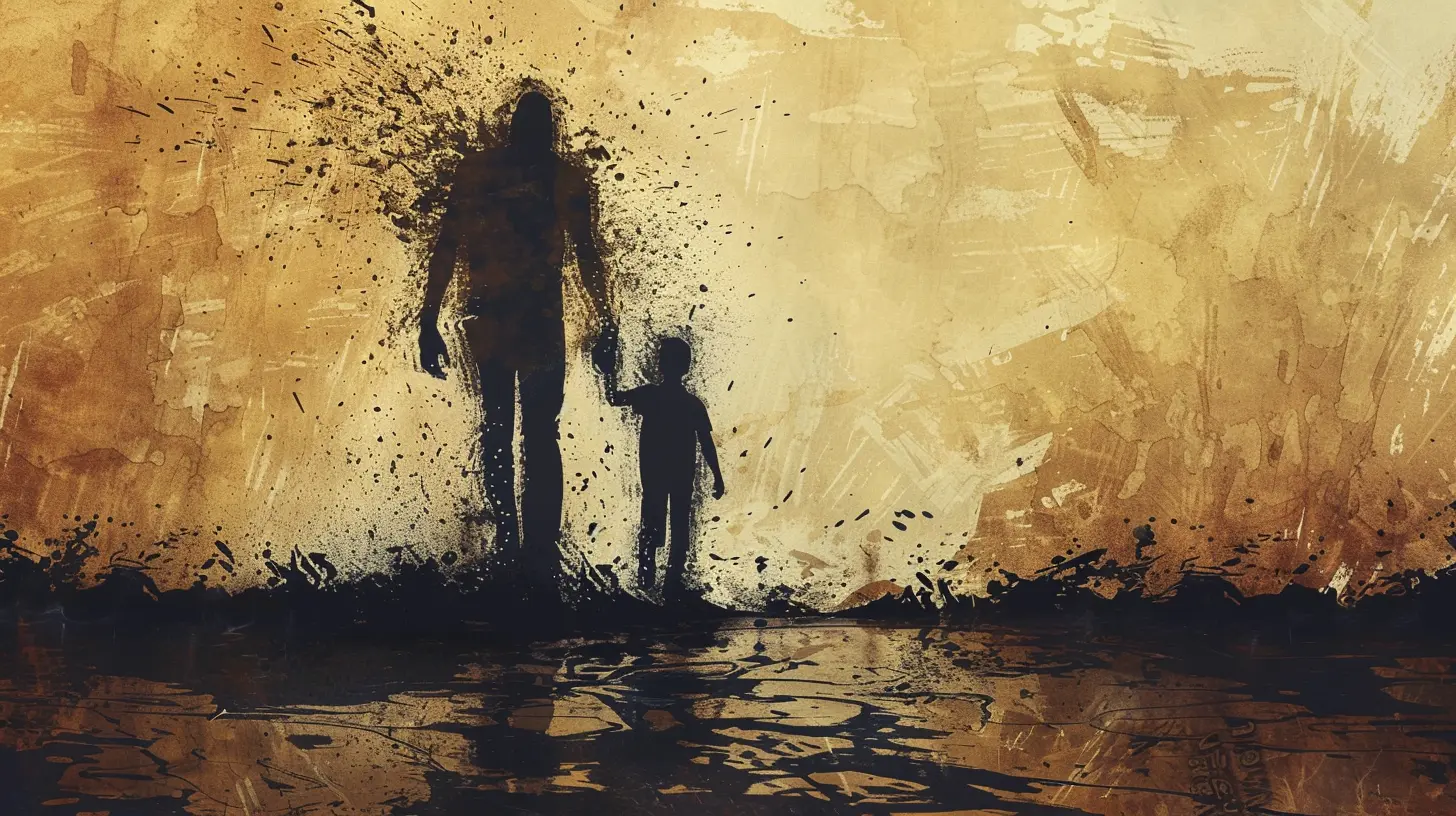
When trauma goes unaddressed, it creates a ripple effect that influences everything—from personal relationships to entire neighborhoods.1. Strained Relationships
Trauma survivors often struggle with emotional regulation, making it difficult to form healthy relationships. They might react aggressively, shut down emotionally, or constantly feel on edge. This affects marriages, parent-child relationships, and friendships.2. Mental Health Struggles
Unresolved trauma increases the risk of anxiety, depression, PTSD, and even addiction. Without proper support, many turn to unhealthy coping mechanisms—substance abuse, self-isolation, or self-destructive behaviors.3. Community-Level Effects
When trauma is widespread in a community—due to violence, poverty, or systemic oppression—it manifests in higher crime rates, broken families, and decreased opportunities for success. Schools, workplaces, and social systems bear the weight of this unresolved pain.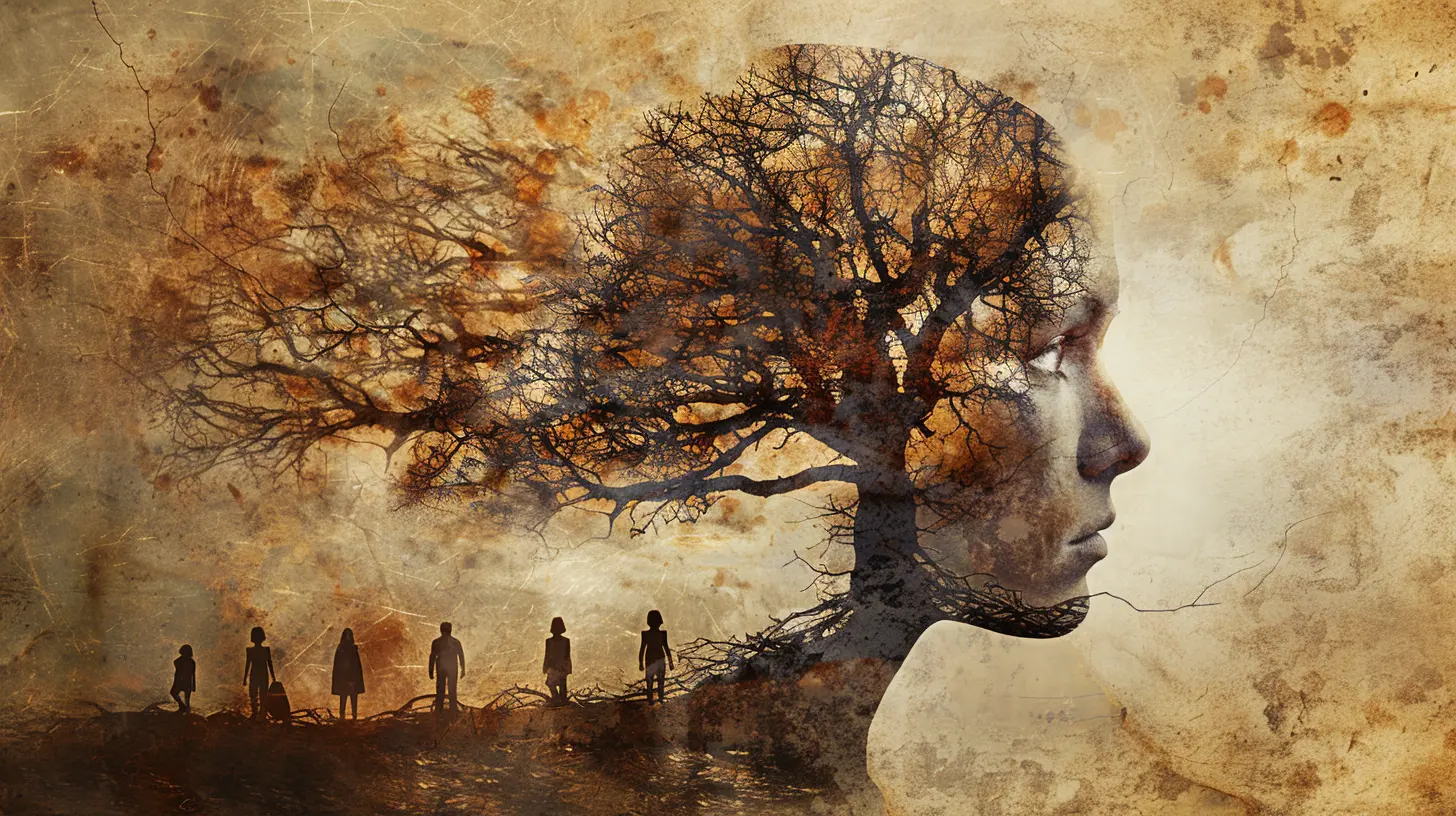
How to Break the Cycle of Trauma
Breaking generational trauma isn’t just about awareness—it’s about action. Here’s how individuals, families, and communities can start rewriting the story.1. Acknowledge the Trauma
Healing starts with recognition. Many families avoid talking about past hurts, sweeping them under the rug instead. But naming the pain, acknowledging its existence, and understanding how it has shaped behaviors is the first step in breaking the cycle.2. Seek Professional Help
Therapy isn’t just for “serious” problems—it’s for growth, healing, and understanding. Individual therapy, family counseling, or trauma-informed care can help survivors process their past and develop healthier coping mechanisms.3. Build Emotional Awareness
Trauma often creates emotional numbness or hypersensitivity. Learning to recognize and regulate emotions is key. Practices like mindfulness, journaling, and open communication can help individuals better understand their emotional responses.4. Foster Healthy Communication
Breaking the cycle means creating safe spaces where feelings can be expressed without judgment or fear. Families can establish boundaries, encourage honest conversations, and practice active listening to promote healing.5. Strengthen Community Support
Healing isn’t just an individual journey—it takes a village. Building strong support networks, engaging in community programs, and fostering relationships with positive role models can provide much-needed stability.6. Educate Future Generations
Children need to know that their past does not define them. Teaching emotional intelligence, resilience, and healthy coping strategies can empower them to break free from inherited trauma.7. Practice Self-Compassion
Healing is messy. Some days will feel like progress, and others will feel like setbacks. But breaking generational trauma doesn’t require perfection—it requires persistence. Learning to forgive oneself and others is part of the journey.
The Power of Breaking the Cycle
Imagine a future where families are emotionally connected, communities thrive, and past wounds no longer dictate present realities. That future is possible.Breaking the cycle of trauma takes courage, but every small step toward healing makes a difference—not just for you, but for generations to come.
Healing is a gift, and passing down strength instead of pain is one of the most powerful legacies you can leave behind.
all images in this post were generated using AI tools
Category:
TraumaAuthor:

Christine Carter
Discussion
rate this article
1 comments
Uriah Hines
What a heartwarming read! It's inspiring to see how understanding and compassion can transform families and communities. Breaking the cycle of trauma opens doors to healing and connection, creating a brighter future for everyone. Let's embrace this journey together—every step counts towards lasting positive change! 🌟
December 2, 2025 at 4:29 AM
Christine Carter
Thank you for your thoughtful insights! I’m glad the article resonated with you. Together, we can indeed foster healing and connection. 🌟