Why Public Displays Of Racism Feel More Common—And What Psychologists Say Is Driving The Shift
July 1, 2026 - 03:25
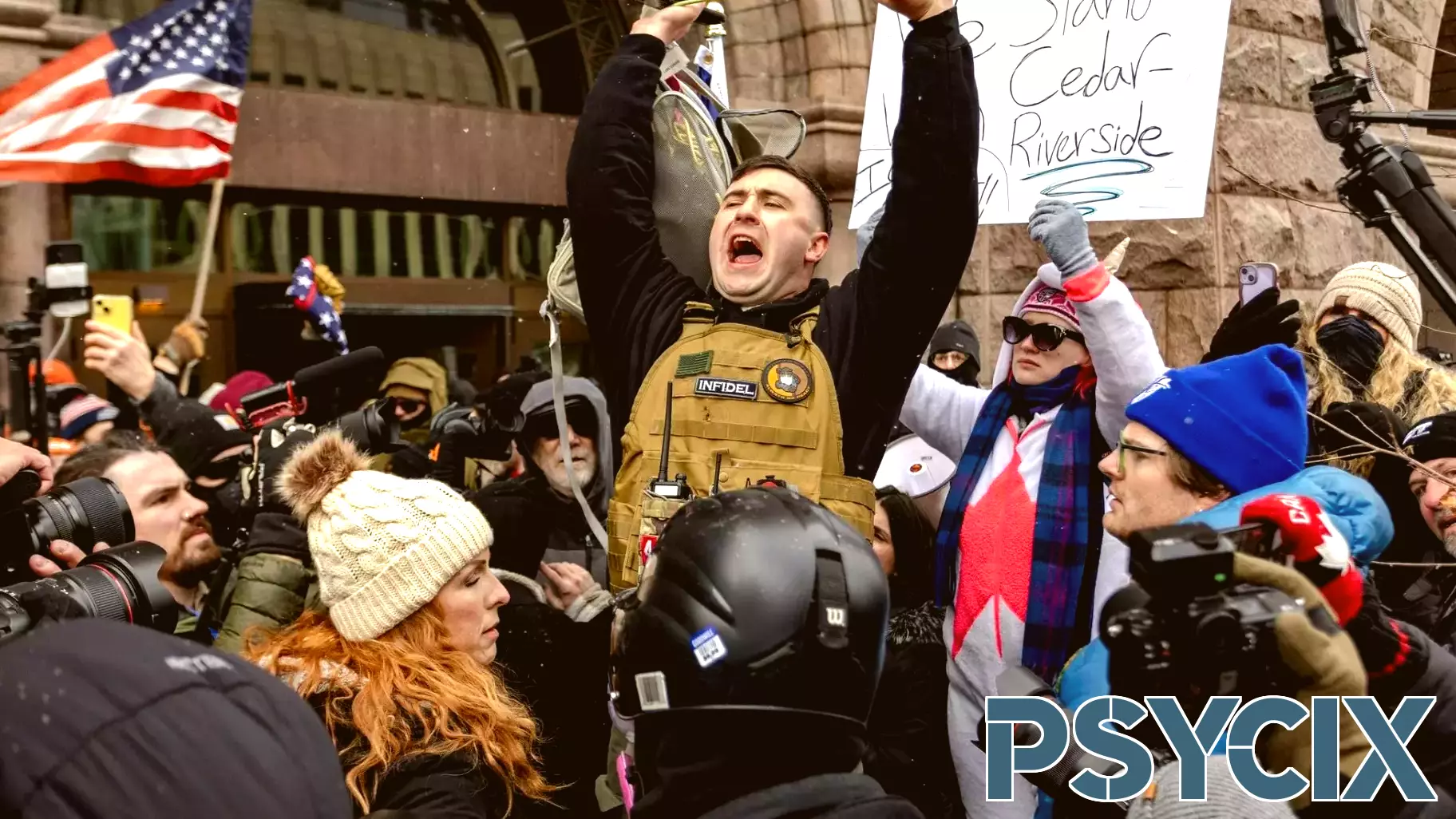
The recent protest at the BET Awards, where a man displayed racist signs, has sparked a national conversation. Many people are asking: why does this kind of public racism feel more common than it did a few years ago? Psychologists say the shift is not just about one angry individual. It reflects a deeper change in social norms.
For decades, there was a strong social penalty for expressing racist views in public. Most people kept such beliefs hidden to avoid shame, job loss, or social rejection. Experts call this the "social cost" of prejudice. When that cost is high, racism stays in private spaces. But today, that cost appears to be dropping.
Dr. Amanda Keller, a social psychologist, explains that the rise of online echo chambers has played a major role. People see others expressing racist ideas without consequences online. This normalizes the behavior and makes them feel safe to repeat it in real life. "When you see a dozen people saying the same thing on social media, it feels like a majority opinion," she says. "It lowers the barrier for acting on those impulses in public."
Another factor is the current political climate. Some leaders and public figures have used divisive language openly. This gives a green light to others who might have stayed quiet before. It creates a permission structure. When a person in power uses a slur or attacks a group, it signals that such speech is acceptable.
The result is a feedback loop. More public incidents lead to more media coverage, which makes the behavior seem even more common. This can create a false sense that society has shifted toward accepting racism. In reality, polls still show that the vast majority of Americans reject overt bigotry. But the loudest voices are changing what people think they can get away with.
Psychologists warn that this trend is dangerous. It can make marginalized groups feel unsafe and isolated. It also emboldens those who hold hateful views. The challenge now is for communities to restore the social cost of public racism without resorting to censorship. That means calling out the behavior clearly and consistently, while reinforcing the norm that respect is not optional.
MORE NEWS

September 29, 2026 - 03:52
Teresa Giudice Addresses Milania's Mental Health StrugglesTeresa Giudice is opening up about her daughter Milania`s current mental health challenges, confirming that the 20-year-old is dealing with what the family describes as significant psychological...

September 28, 2026 - 15:07
Why So Many People Feel Completely Drained Right NowA psychologist has offered an explanation for the widespread exhaustion many people are reporting, and the reasoning is surprisingly straightforward. Naomi Holdt, a psychologist and speaker,...
September 27, 2026 - 19:28
BC Receives $4.3 Million Grant To Integrate Humanities Into Psychotherapy TrainingBoston College has secured a $4.3 million grant from the Kern Family Foundation to support a three-year initiative called `Awakening Psychology`s Moral Imagination.` The project will be run by the...
September 27, 2026 - 05:06
The Psychological Cost of Chasing AI Innovation in the WorkplaceThe race to keep pace with AI is testing executives` resilience, forcing them to rethink how they manage expectations, uncertainty, and their own well-being. Business leaders across industries are...